 PixQR
Overview
Regulatory Information, in the context of packaging and QR code systems, refers to the structured data embedded within physical product packaging that links to digital content relevant to compliance, safety, and legal requirements. This information is often mandated by government agencies, industry standards, or product liability regulations. In the PixQR ecosystem, Regulatory Information is used to ensure that QR codes on product packaging can reliably redirect users to compliant, secure, and authoritative digital resources.
When a product is scanned, the QR code should provide access to information such as safety warnings, ingredient lists, usage instructions, certifications, or recall notices. These QR codes are not just for marketing or branding but serve as a functional compliance tool. For developers working with PixQR, Regulatory Information means designing and configuring QR codes to ensure that digital redirects are secure, trackable, and aligned with legal or regulatory expectations.
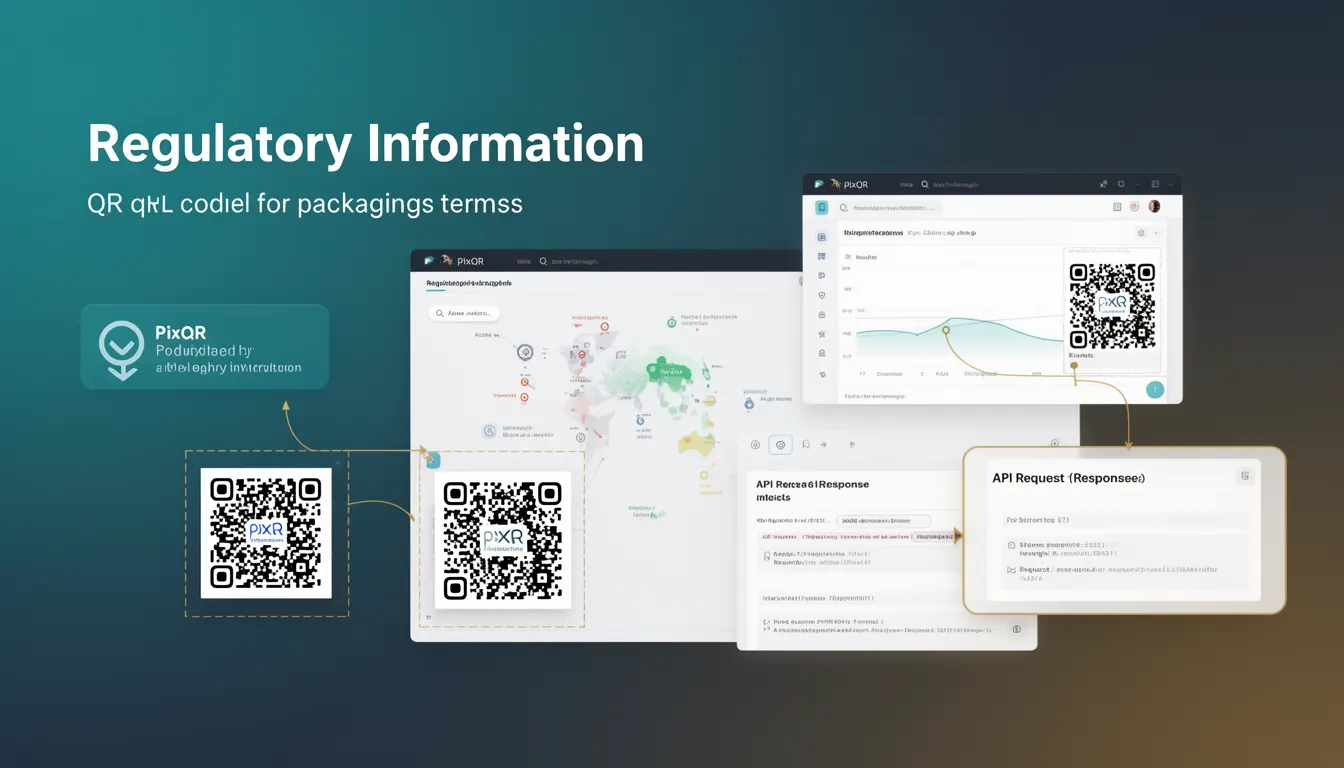
Why It Matters
For developers, Regulatory Information is a critical component in maintaining product integrity, legal compliance, and user trust. In industries like pharmaceuticals, food, or consumer electronics, failure to include or correctly implement regulatory QR links can result in legal penalties, product recalls, or brand reputation damage. PixQR’s platform ensures that QR codes are generated with compliance in mind, supporting secure redirects to authoritative sources and maintaining audit trails for regulatory review.
From a developer perspective, this means building systems that support dynamic content, secure redirection, and consistent data validation. The QR code must not only function correctly but also maintain data integrity and security. Regulatory information also impacts how scan analytics are structured, as compliance data may need to be tracked separately or reported to authorities.
How It Works
When a QR code is generated for packaging, Regulatory Information is encoded as part of the data payload. This data is typically structured in a way that supports both static and dynamic redirects. The QR code system must be able to handle various formats such as URLs, API endpoints, or even internal identifiers that resolve to compliant content.
- The QR code payload includes a reference to a regulatory endpoint or content source, such as a database or secure URL.
- Dynamic QR redirects are supported, allowing content to be updated without changing the physical QR code itself.
- Redirects must be trackable and logged to support compliance reporting or audit requirements.
- Content served via the QR code must be validated for authenticity, security, and alignment with regulatory standards.
- PixQR supports integration with external systems to ensure that regulatory content is updated in real-time or on demand.
When integrating with PixQR, developers can define regulatory parameters during QR code creation, such as redirect URLs, content expiration, and tracking metadata. The platform ensures that all links are secure, scanned reliably, and aligned with privacy and brand safety standards.
Quick Reference
| Item | Purpose | Notes |
|---|---|---|
| Regulatory URL | Points to official compliance or safety documentation | Must be secure and accessible |
| Redirect Type | Dynamic or static redirect | Dynamic allows content updates |
| Content Validation | Ensures digital content meets regulatory standards | Supported via external APIs |
| Scan Tracking | Logs QR scan events for compliance reporting | Includes timestamp, device, and location |
| Expiration Date | Optional field to control content validity | Supports dynamic content lifecycle |
Basic Example
PixQR Example QR
This QR links directly to this glossary page, so printed notes, onboarding docs, and support material can bring scanners back to the current reference.
/glossary/qr-code-for-packaging/qr-codes-for-packaging-regulatory-information

This example demonstrates how a basic QR code payload can include a regulatory URL. The payload is structured to support a redirect to a compliance document hosted on a secure server.
{
  "type": "regulatory",
  "url": "https://example.com/regulatory/safety-manual-2024",
  "redirect_type": "dynamic",
  "content_id": "safety-manual-2024"
}
The type field identifies the payload as regulatory, and the url field points to the actual document. The redirect_type allows the content to be updated without changing the QR code itself.
Production Example
In a production environment, Regulatory Information is often embedded in a QR code with additional metadata for tracking and validation. The following example shows how a developer might configure a QR code using PixQR’s API to ensure that regulatory content is securely and reliably delivered.
{
  "qr_data": {
    "type": "regulatory",
    "url": "https://api.pixqr.com/v1/regulatory/safety-manual-2024",
    "redirect_type": "dynamic",
    "tracking": {
      "enabled": true,
      "metadata": {
        "product_id": "P12345",
        "country": "US",
        "language": "en"
      }
    },
    "validation": {
      "required": true,
      "source": "pixqr-verified"
    },
    "expiration": "2025-12-31"
  },
  "design": {
    "brand_safe": true,
    "scan_reliability": "high"
  }
}
This version includes tracking metadata, validation settings, and an expiration date. These features are crucial for compliance reporting and ensuring that only verified, up-to-date content is served. The brand_safe and scan_reliability settings ensure that the QR code is both safe to scan and designed for optimal performance.
Common Mistakes
- Using unverified or unsecure URLs for regulatory content, which can lead to compliance violations or phishing risks.
- Forgetting to configure scan tracking, which makes it difficult to audit or report on QR code usage.
- Not setting expiration dates on dynamic content, which can lead to outdated or incorrect information being served.
- Ignoring validation settings, which can allow non-compliant content to be served via the QR code.
- Using static redirects for regulatory content that may need to be updated, resulting in outdated or broken links.
Security And Production Notes
- All regulatory content must be served over HTTPS to prevent tampering or unauthorized access.
- QR codes should be tested across multiple devices and scanners to ensure reliable redirection.
- Content validation is essential to ensure that regulatory documents are authentic and up to date.
- Tracking logs should be retained for audit purposes and must comply with data privacy regulations.
- Dynamic QR code content should be versioned and tested before deployment to prevent breaking changes.
Related Concepts
Regulatory Information is closely tied to several other concepts in QR code systems and digital packaging:
- Dynamic Redirects – The ability to update QR code content without changing the physical code, essential for maintaining regulatory compliance over time.
- Scan Analytics – Data collection from QR scans, including location and device information, used for compliance reporting.
- Brand Safety – Ensuring QR code content aligns with brand guidelines and avoids inappropriate or harmful material.
- Privacy Compliance – Managing data collected through QR scans to meet regulations such as GDPR or CCPA.
- Content Lifecycle Management – Tracking the creation, update, and expiration of digital content linked to QR codes.