 PixQR
Overview
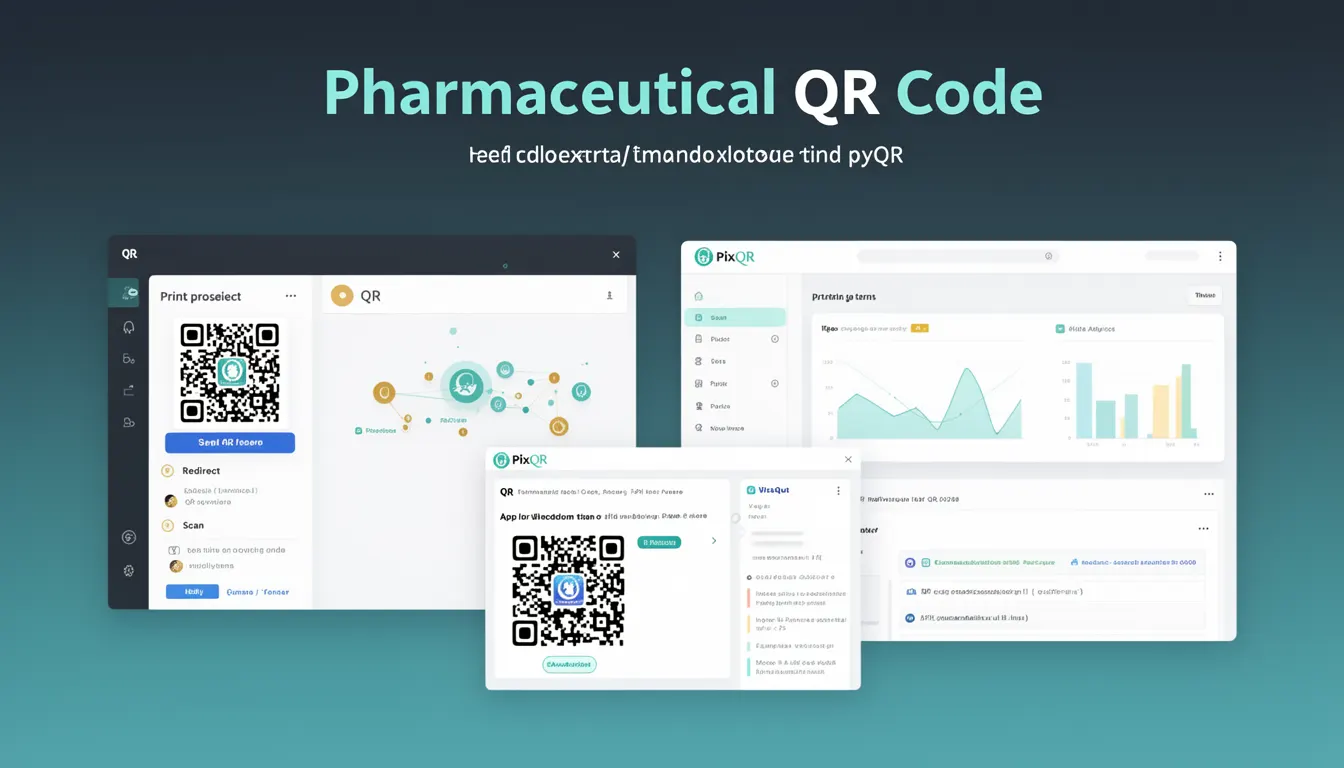
A Pharmaceutical QR Code is a specialized type of QR code used primarily in the pharmaceutical industry to link physical packaging to digital information. These codes are designed to meet strict regulatory requirements and provide critical data about medications, including dosage instructions, warnings, expiration dates, and tracking information. The primary use case involves connecting the physical product to a digital repository or database through a secure, scalable redirect mechanism.
Developers working with PixQR in pharmaceutical contexts must understand how to configure these codes to ensure they meet industry standards, maintain data integrity, and comply with privacy and security regulations. These QR codes are often generated as dynamic links that redirect to secure endpoints, allowing for real-time updates and tracking.
Why It Matters
For developers, Pharmaceutical QR Codes represent a critical bridge between physical product identification and digital data management. These codes are not merely for convenience—they are essential for regulatory compliance, patient safety, and supply chain tracking. The codes must be reliable, secure, and designed to handle high-volume scanning without failure.
In production environments, failure to properly implement or manage these codes can lead to serious consequences, including regulatory penalties, product recalls, and compromised patient safety. PixQR's platform ensures that these codes maintain brand-safe design, scan reliability, and secure operational workflows, which are essential for pharmaceutical use cases.
How It Works
Pharmaceutical QR Codes are typically generated using dynamic redirect systems that link to a secure backend. The QR code itself encodes a URL or a unique identifier that directs to a centralized data repository or a secure endpoint. This system must support multiple redirect types, including HTTP redirects, API-based data retrieval, and integration with existing pharmacy or regulatory systems.
- QR codes are generated with a unique identifier that maps to a secure database entry.
- Dynamic redirects ensure that information can be updated without changing the physical QR code.
- Scan tracking and analytics are enabled to monitor usage and detect potential issues.
- Privacy and security settings ensure that sensitive data is protected during access.
- Compatibility with various scanning devices and platforms is required for broad usability.
Quick Reference
| Item | Purpose | Notes |
|---|---|---|
| Dynamic Redirect URL | Encodes the link to the digital repository | Must support HTTPS and be scalable |
| Unique Identifier | Maps QR code to database entry | Used for tracking and analytics |
| Scan Tracking | Monitors QR code usage | Supports real-time analytics |
| Privacy Controls | Ensures secure data handling | Complies with GDPR and HIPAA |
| Brand-Safe Design | Ensures visual consistency | Supports regulatory branding |
Basic Example
PixQR Example QR
This QR links directly to this glossary page, so printed notes, onboarding docs, and support material can bring scanners back to the current reference.
/glossary/qr-code-for-packaging/qr-codes-for-packaging-pharmaceutical-qr-code

This basic example demonstrates how a Pharmaceutical QR Code might be generated with a dynamic redirect. The code shows the structure of a URL that a QR code would point to, which is then handled by the PixQR platform.
https://api.pixqr.com/v1/redirect/pharma/123456789This URL structure is used to redirect to a secure endpoint where the product information is retrieved. The identifier 123456789 maps to a specific pharmaceutical product in the backend database.
Production Example
In a production environment, the QR code generation must include validation, error handling, and integration with existing systems. This example shows how a developer might configure a QR code with additional metadata and tracking parameters.
https://api.pixqr.com/v1/redirect/pharma/123456789?tracking_id=abc123&source=pharma-packaging×tamp=2025-04-05T10:00:00ZThis version includes tracking identifiers, source metadata, and timestamps to ensure full compliance with regulatory requirements and to support analytics and audit trails.
Common Mistakes
- Not validating the redirect URL before QR code generation, leading to broken links or security vulnerabilities.
- Using static QR codes instead of dynamic ones, which prevents real-time updates or data changes.
- Ignoring privacy and compliance requirements, especially when handling patient or product data.
- Not configuring scan tracking or analytics, which limits the ability to monitor usage or detect issues.
- Using low-quality QR code generation tools that result in poor scan reliability or print issues.
- Failing to implement secure HTTPS redirects, exposing sensitive data or allowing man-in-the-middle attacks.
Security And Production Notes
- All redirects must use HTTPS to ensure data integrity and prevent interception.
- QR code identifiers should be cryptographically secure to avoid predictability or brute-force attacks.
- Access controls and authentication should be implemented to restrict data access to authorized parties.
- Scan tracking must comply with privacy regulations, such as GDPR or HIPAA, to protect user data.
- Regular audits and monitoring of QR code usage should be performed to detect anomalies or unauthorized access.
Related Concepts
Pharmaceutical QR Codes are closely related to several other technologies and concepts in digital product management and compliance. These include:
- Dynamic Redirects — The mechanism that allows QR codes to point to changing content without modifying the physical code.
- QR Code Scanning — The process of reading QR codes and translating them into actionable data or URLs.
- Regulatory Compliance — The set of standards and laws that govern how pharmaceutical information must be handled and displayed.
- Scan Analytics — The collection and analysis of QR code usage data to improve product tracking and safety.
- Brand-Safe Design — Ensuring that QR code visuals align with brand guidelines and do not introduce security or legal risks.