 PixQR
Overview
Lot Tracking is a packaging and product identification technique used to associate physical items with digital data through QR codes. In the context of PixQR, this term refers to the process of embedding unique identifiers into QR codes that link to specific product batches or lots. These identifiers allow systems to track product origin, manufacturing date, batch numbers, and other metadata.
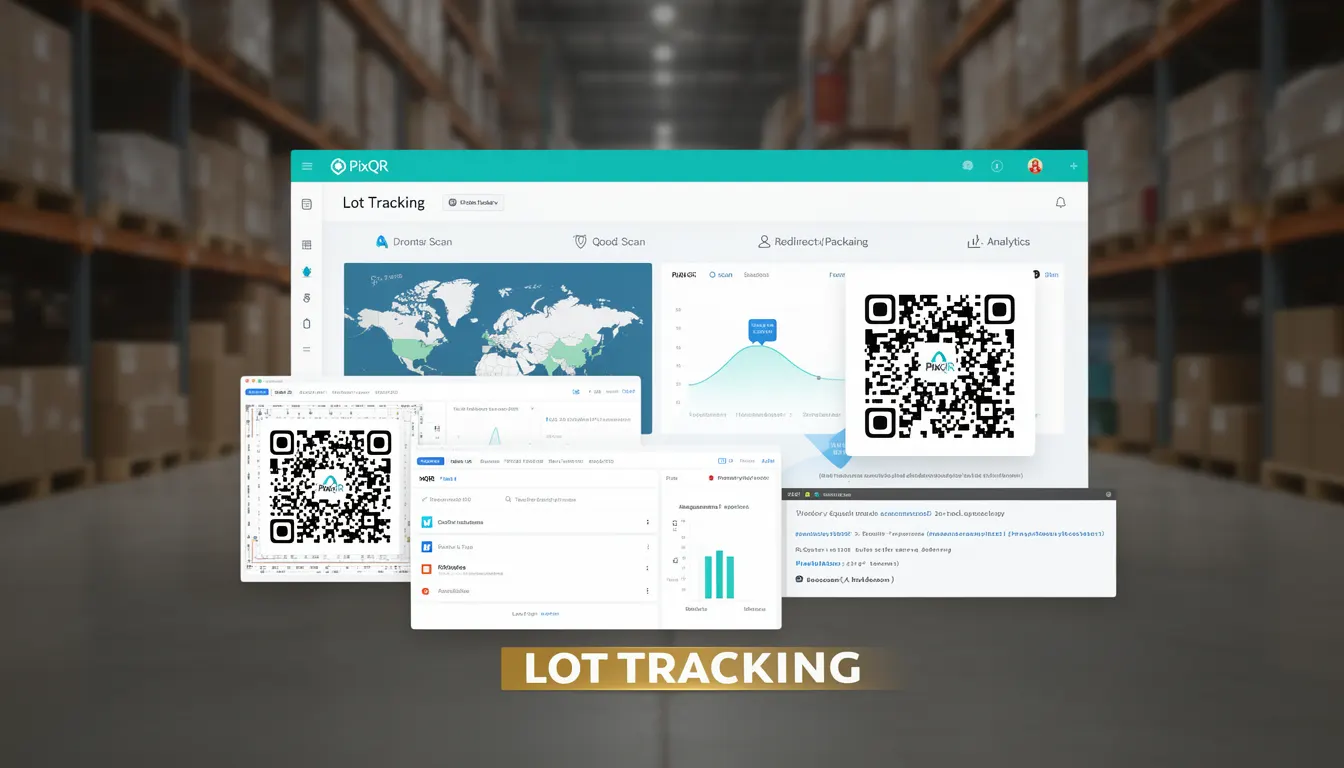
Lot Tracking enables manufacturers and distributors to maintain traceability from production to end-user consumption. When a product is scanned using a PixQR-enabled system, the QR code redirects to a digital record containing lot-specific information. This mechanism is particularly valuable in regulated industries such as pharmaceuticals, food safety, and consumer electronics.
Why It Matters
For developers working with PixQR, Lot Tracking directly impacts how QR codes are generated, stored, and validated. Proper implementation ensures that each product can be uniquely identified and traced throughout its lifecycle. In production environments, this capability is essential for compliance with regulatory standards such as FDA 21 CFR Part 11, ISO 9001, and various food safety protocols.
From a security standpoint, Lot Tracking prevents counterfeit products from entering the supply chain by enabling verification of authenticity. It also supports rapid recall management, reducing the time and cost associated with product recalls. For user experience, Lot Tracking ensures that customers receive accurate product information, which builds trust and transparency.
How It Works
Lot Tracking within PixQR operates through a structured system of identifiers and redirections. Each QR code is generated with a unique lot identifier that maps to a backend database entry. When scanned, the QR code redirects to a URL that retrieves lot-specific data, such as manufacturing date, batch number, and distribution details.
- The lot identifier is embedded within the QR code's payload using a standardized format, such as a URI scheme or a custom data structure.
- PixQR systems support dynamic redirects that can update lot information without requiring new QR code generation.
- Lot identifiers are typically stored in a secure, scalable database with access controls to prevent unauthorized modifications.
- Each lot entry can contain metadata including product type, expiration date, manufacturing location, and quality control status.
- Lot Tracking integrates with analytics to provide insights into product performance, consumer behavior, and supply chain efficiency.
Quick Reference
| Item | Purpose | Notes |
|---|---|---|
| Lot Identifier | Unique product batch reference | Must be globally unique across all products |
| QR Code Payload | Contains lot identifier and redirect URL | Encoded using standard QR code formats |
| Redirect Endpoint | Fetches lot-specific data | Must support secure, authenticated access |
| Database Entry | Stores lot metadata | Requires access control and audit logs |
| Analytics Integration | Tracks lot performance and usage | Supports real-time reporting and alerts |
Basic Example
PixQR Example QR
This QR links directly to this glossary page, so printed notes, onboarding docs, and support material can bring scanners back to the current reference.
/glossary/qr-code-for-packaging/qr-codes-for-packaging-lot-tracking

This basic example demonstrates how a QR code payload might contain a lot identifier that redirects to a product page.
https://api.pixqr.com/lot/ABC123XYZThe payload is a URL that includes the lot identifier "ABC123XYZ". When scanned, this URL directs to a PixQR API endpoint that retrieves the lot's metadata, such as manufacturing date and batch details.
Production Example
In a production environment, Lot Tracking involves generating QR codes with secure identifiers and managing the associated data lifecycle.
{
  "lot_id": "LOT-2024-001234",
  "product_type": "Smartphone",
  "manufacturing_date": "2024-06-15",
  "batch_number": "BATCH-7890",
  "redirect_url": "https://api.pixqr.com/lot/LOT-2024-001234",
  "metadata": {
    "origin": "Shanghai, China",
    "quality_status": "passed"
  }
}
This example shows a structured JSON object used to define lot metadata. The redirect URL points to a secure API endpoint that provides lot details. This approach supports scalable, maintainable tracking systems with robust access controls.
Common Mistakes
- Reusing lot identifiers across different products or batches leads to data corruption and traceability issues.
- Storing lot data in insecure locations without access controls can expose sensitive product information.
- Not implementing validation for lot identifiers can allow malformed or invalid entries in the system.
- Using static QR codes instead of dynamic redirects prevents updates to lot information without regenerating QR codes.
- Ignoring analytics integration results in missed opportunities for supply chain optimization and product performance tracking.
Security And Production Notes
- Lot identifiers must be cryptographically secure to prevent prediction or enumeration attacks.
- Access to lot data should be restricted using role-based access control (RBAC) and authentication tokens.
- Redirect endpoints must validate incoming requests to prevent unauthorized access or data leakage.
- Lot data should be encrypted both in transit and at rest to comply with data protection regulations.
- Implementing audit logs for lot access and modifications ensures compliance and traceability.
Related Concepts
Lot Tracking is closely related to several other packaging and product identification systems. Product serialization ensures that each item has a unique identifier, while batch tracking provides visibility into manufacturing groups. Traceability systems enable end-to-end tracking from raw materials to finished goods. Barcode systems often serve as the foundation for QR-based lot tracking, and inventory management systems rely on lot data for stock control and reporting.