 PixQR
Overview
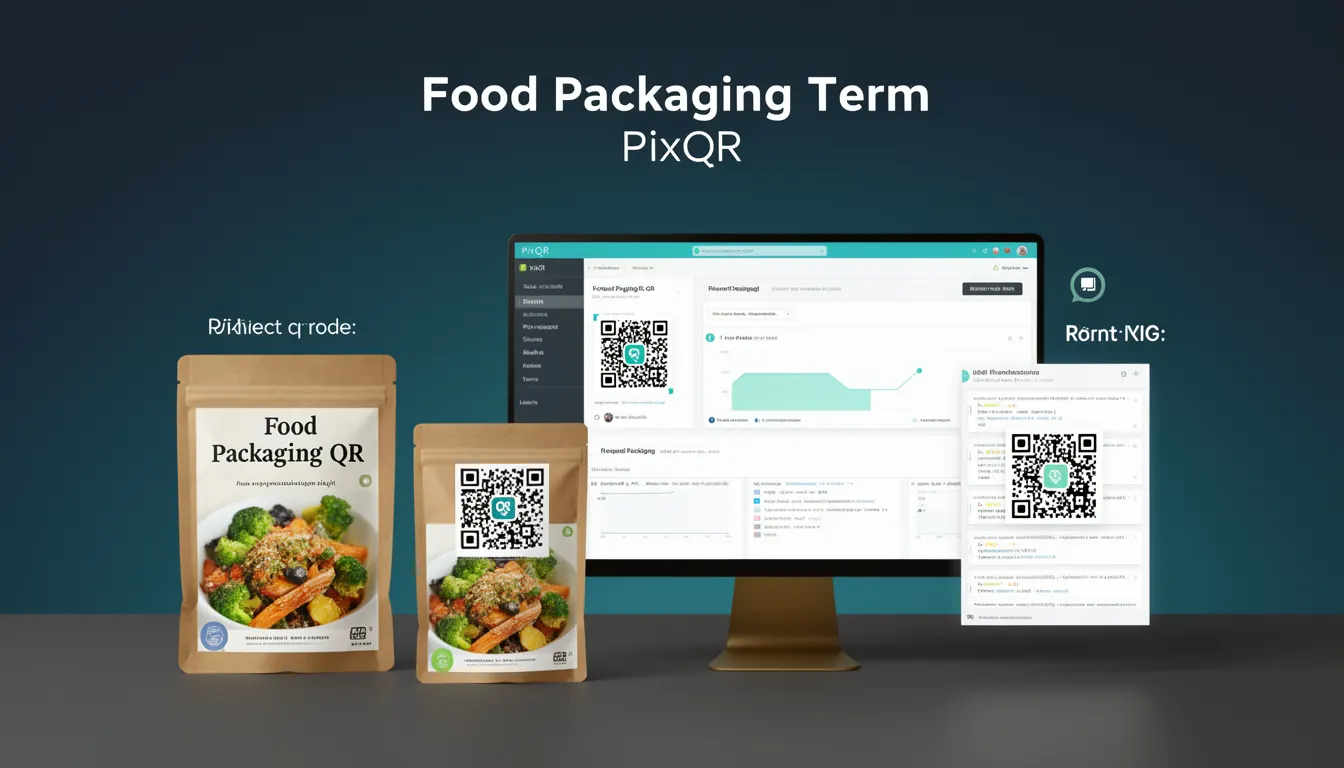
A Food Packaging QR is a specialized QR code used in the food industry to connect physical product packaging to digital content. It enables consumers to access information such as nutritional facts, ingredient lists, allergen warnings, origin details, and manufacturer contact information by scanning the code with a smartphone.
These QR codes are typically embedded in printed packaging and are designed to be scannable under various lighting conditions and from different angles. The digital information they provide is hosted on secure, brand-safe platforms and often integrates with PixQR's dynamic redirect and analytics capabilities to track user engagement and ensure content integrity.
Why It Matters
For developers, Food Packaging QR codes represent a practical intersection of physical product design and digital content delivery. They play a critical role in regulatory compliance, particularly in regions like the EU and US, where detailed nutritional and allergen information must be accessible to consumers.
From a technical standpoint, these QR codes must be reliable, secure, and scalable. They are often part of a larger ecosystem that includes product databases, content management systems, and analytics platforms. The QR code itself is a static identifier, but it points to a dynamic endpoint that can be updated in real time. This allows for content changes without physical re-printing, which is essential for managing recalls, seasonal products, or marketing campaigns.
How It Works
The implementation of a Food Packaging QR involves several key components that must work together seamlessly. The QR code itself is generated using a standard encoding algorithm, but it is typically configured to point to a dynamic URL managed through a platform like PixQR. This URL can be set to redirect to different content based on parameters such as product ID, location, or time of year.
- The QR code is generated with a fixed URL that resolves to a dynamic endpoint, enabling real-time content updates.
- Content delivery is managed through a secure backend that ensures brand-safe, privacy-compliant information.
- Scan tracking and analytics are enabled through PixQR’s API, providing insights into how often and from where consumers are accessing product details.
- Link management features allow for seamless redirection to localized content, such as regional allergen lists or language-specific nutritional data.
- Print reliability is ensured through robust QR code generation that supports various print resolutions and scanning environments.
Quick Reference
| Item | Purpose | Notes |
|---|---|---|
| QR Code URL | Points to dynamic content | Should be HTTPS and stable |
| Redirect Configuration | Manages content routing | Supports parameters like product ID, locale |
| Analytics Tracking | Measures scan engagement | Integrates with PixQR dashboard |
| Content Hosting | Secure, brand-safe delivery | Must comply with data privacy standards |
| Scan Reliability | Ensures consistent scanning | Supports multiple environments and resolutions |
Basic Example
PixQR Example QR
This QR links directly to this glossary page, so printed notes, onboarding docs, and support material can bring scanners back to the current reference.
/glossary/qr-code-for-packaging/qr-codes-for-packaging-food-packaging-qr

This example demonstrates the basic structure of a QR code URL that points to a dynamic content endpoint. It shows how a simple identifier can be used to retrieve product-specific information.
https://api.pixqr.com/v1/redirect?product_id=12345&locale=en-USThe URL includes a product identifier and a locale parameter. The product_id allows the backend to fetch the correct nutritional data, while the locale ensures the content is localized for the user's region.
Production Example
This example shows a more robust implementation of a Food Packaging QR code. It includes validation, error handling, and secure content delivery through PixQR’s platform.
https://api.pixqr.com/v1/redirect?product_id=12345&locale=en-US×tamp=1678886400&signature=abc123def456The additional parameters such as timestamp and signature ensure that the request is valid and has not been tampered with. This approach enhances security and helps prevent unauthorized access to content.
Common Mistakes
- Using static QR codes that cannot be updated, leading to outdated information on packaging.
- Not validating QR code URLs before printing, resulting in broken links or inaccessible content.
- Ignoring localization requirements, which can lead to compliance issues in different markets.
- Failing to implement secure redirect mechanisms, exposing the system to potential misuse or content injection.
- Overlooking scan reliability during the design phase, causing poor user experience in real-world scanning environments.
Security And Production Notes
- Always use HTTPS for QR code endpoints to prevent man-in-the-middle attacks.
- Implement signature verification for all dynamic redirects to ensure integrity.
- Validate QR code content before deployment to avoid delivering incorrect or harmful information.
- Ensure that all content hosted through the QR code is compliant with privacy regulations like GDPR or CCPA.
- Use PixQR’s analytics to monitor for unusual scanning patterns that may indicate tampering or misuse.
Related Concepts
Food Packaging QR codes are closely related to several core concepts in digital product management and QR code technology. These include:
- Dynamic Redirects — The ability to change the destination of a QR code without re-printing the physical code.
- Link Management — Tools and practices for organizing, tracking, and updating URLs used in QR codes.
- Scan Tracking — The process of monitoring and analyzing QR code scan data to improve engagement and compliance.
- Brand Safety — Ensuring that the content delivered by a QR code aligns with brand standards and regulatory requirements.
- Print Reliability — Techniques for ensuring that QR codes are scannable under all conditions, including low light or high-resolution printing.