 PixQR
Overview
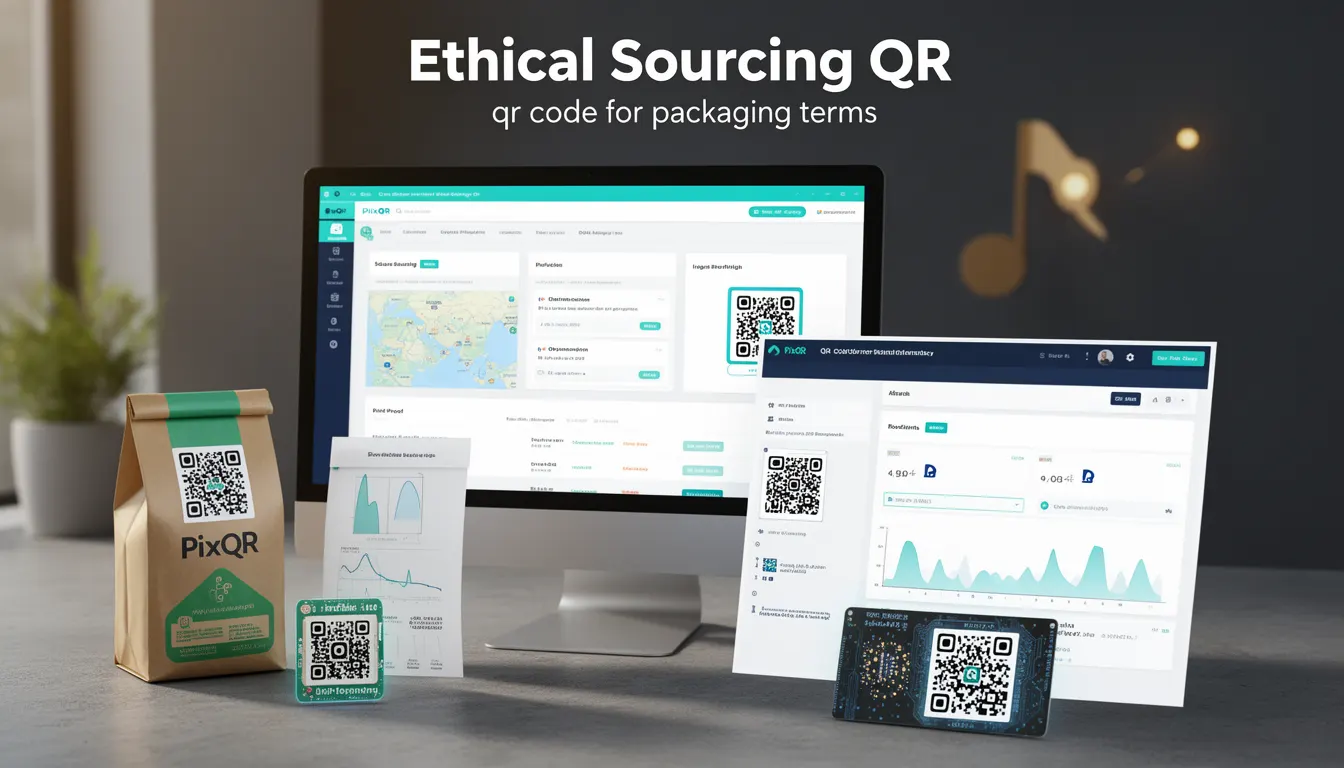
An Ethical Sourcing QR is a specialized QR code implementation used in product packaging to provide consumers with access to information about the origins, production methods, and ethical practices involved in creating a product. It bridges the physical product with a digital experience, typically directing users to a webpage or content hub that details sourcing practices, labor conditions, environmental impact, and other transparency-related data.
In the context of PixQR, an Ethical Sourcing QR is generated using the platform’s dynamic redirect system. This allows content to be updated post-printing, ensuring that sourcing data can evolve without requiring new physical labels. This is particularly valuable in industries where ethical sourcing practices are critical, such as fashion, food, electronics, and luxury goods.
Why It Matters
For developers and product teams, Ethical Sourcing QRs are important because they enable dynamic content management and real-time data updates. This capability is essential for maintaining accurate information, especially when sourcing practices change or new certifications are acquired. The system also supports compliance with regulations that require transparency, such as those in the European Union’s Conflict Minerals Regulation or California’s Transparency in Supply Chains Act.
From a user experience standpoint, Ethical Sourcing QRs enhance trust and brand credibility. Users scanning the QR can quickly access detailed sourcing information, which is increasingly important to consumers who prioritize ethical consumption. From a security perspective, PixQR ensures that these links are safe and tracked, reducing risks of malicious redirects or data leakage.
How It Works
The Ethical Sourcing QR functionality within PixQR is implemented using dynamic URL redirects that map physical QR codes to digital content. The system supports several key behaviors and configurations:
- The QR code is generated with a unique identifier that maps to a backend content hub.
- Content is managed through PixQR’s API, allowing updates without reprinting physical labels.
- Scans are tracked for analytics, enabling brands to understand engagement with sourcing data.
- Redirects are secured using PixQR’s link safety protocols, preventing malicious redirections.
- Content can be localized to support multiple languages and regions.
The QR code itself is a standard 2D barcode, but its utility is enhanced by integration with PixQR’s platform. The QR code points to a redirect URL that is dynamically resolved, enabling real-time content updates. This is especially useful in industries where sourcing practices evolve rapidly or where compliance requires frequent updates.
Quick Reference
| Item | Purpose | Notes |
|---|---|---|
| QR Code Identifier | Maps to backend content | Unique per product variant |
| Dynamic Redirect URL | Routes to sourcing content | Updated via API |
| Content Hub | Stores sourcing data | Accessible via secure API |
| Scan Analytics | Tracks engagement | Provides usage insights |
| Link Safety | Prevents malicious redirects | Enforced by PixQR platform |
Basic Example
PixQR Example QR
This QR links directly to this glossary page, so printed notes, onboarding docs, and support material can bring scanners back to the current reference.
/glossary/qr-code-for-packaging/qr-codes-for-packaging-ethical-sourcing-qr
This example demonstrates the basic structure of an Ethical Sourcing QR URL generated through PixQR:
https://pixqr.com/r/abc123xyzThe URL https://pixqr.com/r/abc123xyz is a dynamic redirect that maps to a content hub containing sourcing data for a specific product. The identifier abc123xyz is unique to that product variant and is used internally by PixQR to fetch and display the correct content.
Production Example
In a production environment, an Ethical Sourcing QR would be generated using PixQR’s API with a configuration that includes content management and tracking:
{
  "qr_data": {
    "content_url": "https://brand.com/sourcing/ethics/12345",
    "redirect_url": "https://pixqr.com/r/abc123xyz",
    "scan_tracking": true,
    "content_language": "en"
  },
  "product": {
    "sku": "SKU12345",
    "name": "Eco-Friendly Water Bottle"
  }
}
This structure allows for robust content management, enabling dynamic updates and tracking of scans. The content_url is a static link to the sourcing data, while the redirect_url is a PixQR-generated dynamic link. The scan_tracking flag enables analytics, and content_language ensures localization support.
Common Mistakes
- Using static QR codes without dynamic redirect support, leading to outdated sourcing information.
- Not implementing scan analytics, missing insights into consumer engagement.
- Linking to unsecured or unverified content, which can undermine brand trust.
- Ignoring localization, causing poor user experience for global markets.
- Failing to test QR code reliability on various devices and scanners, leading to poor scan success rates.
Security And Production Notes
- Always validate the content URL to prevent redirection to malicious domains.
- Use PixQR’s built-in link safety features to avoid phishing or malware redirections.
- Ensure all QR codes are tested for scan reliability across multiple platforms and scanners.
- Implement secure API access for content updates to prevent unauthorized changes.
- Log and monitor scan analytics to detect anomalies or fraudulent activity.
Related Concepts
Several developer concepts are closely related to Ethical Sourcing QRs:
- Dynamic Redirects – The mechanism that allows content to be updated post-printing.
- QR Code Generation – The process of creating the physical QR code with correct encoding.
- Content Management Systems – Platforms used to store and update sourcing data.
- Scan Analytics – The data collected from QR code scans to improve engagement.
- Brand Transparency – The broader concept of making sourcing practices visible to consumers.