 PixQR
Overview
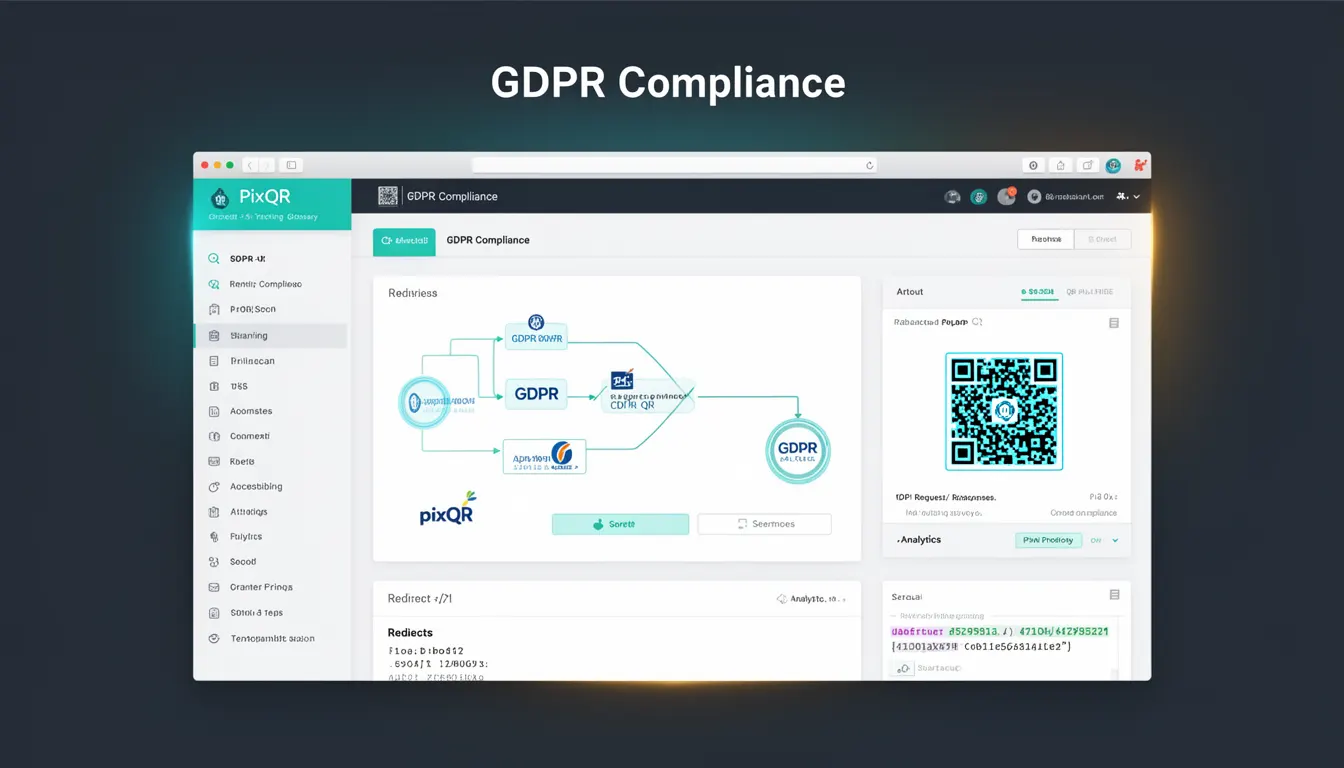
GDPR Compliance in the context of QR code tracking and analytics refers to the adherence to the General Data Protection Regulation (GDPR) when collecting, processing, and storing personal data through QR code interactions. This includes ensuring that all data collection practices respect user privacy, provide transparency, and maintain secure handling of information gathered during QR code scans.
For PixQR developers, GDPR Compliance becomes a critical factor when designing QR code campaigns that involve analytics, redirect tracking, or user journey mapping. It ensures that the platform meets legal requirements for data protection and user consent, particularly when users scan QR codes and their interactions are tracked or logged. This compliance is essential for maintaining trust, avoiding penalties, and ensuring operational integrity in global markets where GDPR applies.
Why It Matters
For developers and platform operators, GDPR Compliance directly affects how QR code tracking data is collected, stored, and processed. In PixQR's case, this means ensuring that any analytics or tracking systems built into QR code campaigns do not inadvertently violate user privacy or fail to meet legal standards. Non-compliance can result in significant financial penalties, reputational damage, and loss of user trust.
From a technical standpoint, developers must consider how tracking data is collected, whether users are informed about data use, and how long data is retained. PixQR's platform must support features like opt-in consent mechanisms, data anonymization, and audit logging to ensure that QR code analytics remain compliant with GDPR requirements. This impacts both backend systems and frontend tracking implementations.
How It Works
GDPR Compliance in QR code analytics is achieved through a combination of technical controls, data handling practices, and user consent mechanisms. When a QR code is scanned, data such as IP address, timestamp, device type, and user journey may be collected. To comply with GDPR, this data must be processed lawfully, fairly, and transparently.
- Consent must be obtained before collecting personal data from QR code scans, typically through explicit opt-in mechanisms.
- Data collected must be minimized and only used for the purposes explicitly stated to the user.
- Users must be able to access, correct, or delete their data upon request, in line with GDPR's right to erasure.
- All data processing activities must be documented, and systems must support audit trails for compliance verification.
- Data must be stored securely, using encryption and access controls to prevent unauthorized access or breaches.
Quick Reference
| Item | Purpose | Notes |
|---|---|---|
| Consent management | Ensures user agreement before data collection | Must be explicit and revocable |
| Data minimization | Limits data collection to necessary information | Reduces compliance risk |
| Right to erasure | Allows deletion of personal data | Requires backend support |
| Audit logging | Tracks data processing activities | Required for compliance verification |
| Encryption | Secures stored data | Must use industry-standard protocols |
Basic Example
PixQR Example QR
This QR links directly to this glossary page, so printed notes, onboarding docs, and support material can bring scanners back to the current reference.
/glossary/qr-code-tracking-and-analytics/qr-code-tracking-and-analytics-gdpr-compliance

This example shows a simplified structure for managing consent in a QR code tracking system. It demonstrates how a platform might prompt users for consent before collecting data.
const consent = {
  granted: false,
  timestamp: null,
  purpose: 'analytics'
};

function requestConsent() {
  // Simulate user interaction for consent
  consent.granted = true;
  consent.timestamp = new Date();
  return consent;
}
The example shows how consent is tracked as a boolean flag, with a timestamp to indicate when consent was granted. This structure supports GDPR's requirement for documented consent and can be extended to include more granular purposes or revocation logic.
Production Example
In a production environment, PixQR must ensure that all QR code tracking systems are designed with GDPR compliance in mind. This includes implementing a robust consent management system, anonymizing data where possible, and providing clear user controls.
class GDPRCompliantTracker {
  constructor() {
    this.consentStorage = new Map();
    this.dataRetentionPeriod = 365; // days
  }

  requestConsent(userId, purpose) {
    const consent = {
      userId,
      purpose,
      granted: true,
      timestamp: new Date().toISOString()
    };
    this.consentStorage.set(userId, consent);
    return consent;
  }

  anonymizeData(data) {
    // Remove or hash personal identifiers
    return {
      ...data,
      userId: null,
      ipAddress: this.hashIP(data.ipAddress)
    };
  }

  hashIP(ip) {
    // Simple hashing for demonstration
    return 'hashed_' + ip.replace(/\./g, '_');
  }

  isConsented(userId, purpose) {
    const consent = this.consentStorage.get(userId);
    return consent && consent.granted && consent.purpose === purpose;
  }
}
This example demonstrates a production-ready structure for managing user consent and anonymizing data. It includes methods to track consent, anonymize personal data, and verify consent status. These features are essential for maintaining compliance when tracking QR code interactions.
Common Mistakes
- Assuming that QR code analytics are exempt from GDPR regulations. All data collection must comply with legal requirements.
- Using default consent mechanisms without explicit opt-in prompts, which violates GDPR's principle of consent.
- Not implementing data retention policies, leading to indefinite storage of personal data.
- Failing to provide users with a way to access or delete their data, violating GDPR rights.
- Storing or transmitting sensitive data without encryption, increasing risk of data breaches.
Security And Production Notes
- Ensure all user consent data is stored securely and encrypted at rest.
- Implement strict access controls to prevent unauthorized access to tracking data.
- Use audit logs to track all data processing activities and consent changes.
- Regularly review and update data retention policies to align with legal requirements.
- Provide clear, accessible mechanisms for users to manage their consent and data preferences.
Related Concepts
GDPR Compliance in QR code tracking is closely tied to several related concepts. Consent Management ensures that users are informed and agree to data collection. Data Minimization limits the amount of data collected to what is strictly necessary. Data Retention defines how long data is stored, aligning with legal obligations. Privacy by Design integrates privacy considerations into the system architecture from the start. Right to Erasure allows users to request deletion of their data, which must be supported by the tracking system.