 PixQR
Overview
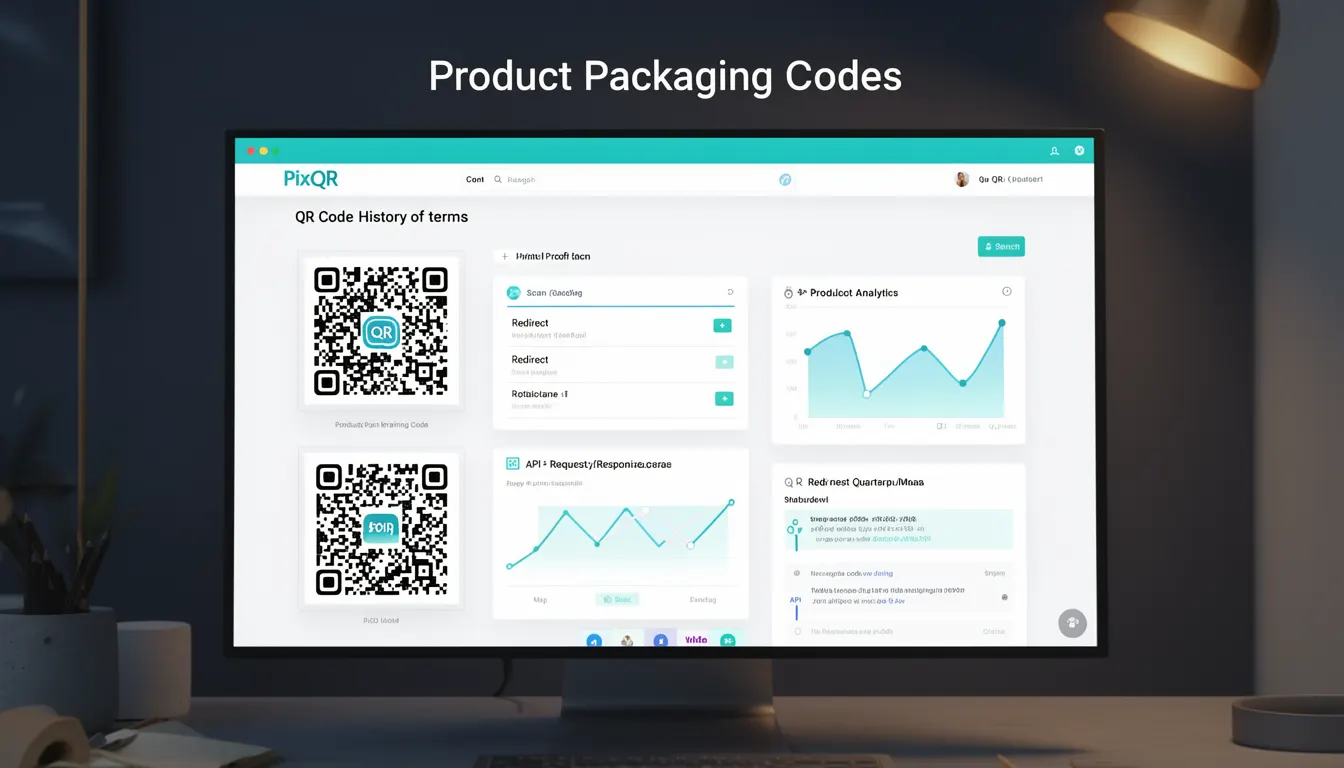
Product Packaging Codes (PPCs) represent a foundational concept in the evolution of QR code usage, particularly in the context of retail and product identification. The term refers to a category of barcodes and identification systems that were used in product packaging before QR codes became widespread. These codes were primarily static, machine-readable identifiers designed to encode product information such as SKU numbers, batch identifiers, or manufacturer details.
In the context of PixQR, understanding PPCs is important because they often form the basis for legacy product identification systems that organizations must integrate with or migrate from. Many companies still maintain systems that rely on these older formats, and when transitioning to QR codes, developers must ensure compatibility and proper mapping between legacy PPCs and new dynamic QR code structures.
Why It Matters
For developers working with PixQR, PPCs matter because they often serve as the root data source for modern QR code generation. Legacy systems that use PPCs may contain critical product identifiers that must be preserved or transformed when migrating to dynamic QR code solutions. The transition from static PPCs to dynamic QR codes introduces new challenges around data mapping, system integration, and ensuring that existing product tracking systems continue to function.
Additionally, many production environments still use PPCs in conjunction with QR codes, particularly in supply chain management and inventory tracking. When building QR code systems that interface with existing infrastructure, developers must account for how PPCs are structured, stored, and accessed to maintain data integrity and prevent disruptions in tracking workflows.
How It Works
The implementation of Product Packaging Codes involves a structured approach to encoding product-related data into machine-readable formats. These codes typically follow standardized formats such as UPC, EAN, or other legacy barcode systems. The core functionality of PPCs is to provide a consistent, reliable method for identifying and tracking products across various systems and stages of the supply chain.
- PPCs are generally static, meaning their encoded data does not change once assigned to a product.
- They typically use fixed-length formats, which allows for easy parsing and validation in legacy systems.
- PPCs are often generated using specific algorithms or standards such as GS1, which define how data should be encoded and interpreted.
- They are commonly stored in databases or backend systems that support structured data queries and retrieval.
- PPCs often integrate with inventory management systems to provide real-time product tracking and identification.
Quick Reference
| Item | Purpose | Notes |
|---|---|---|
| Static identifier | Encodes fixed product data | Used in legacy systems |
| Fixed-length format | Ensures compatibility with older systems | Typically 12 or 13 digits |
| GS1 compliance | Standardizes encoding for global use | Required for international trade |
| Database mapping | Links legacy codes to new QR systems | Essential for system migration |
| Supply chain tracking | Supports inventory and logistics workflows | Used in warehouse and retail systems |
Basic Example
PixQR Example QR
This QR links directly to this glossary page, so printed notes, onboarding docs, and support material can bring scanners back to the current reference.
/glossary/qr-code-history-of/history-of-qr-codes-product-packaging-codes

This example demonstrates how a basic Product Packaging Code might be structured and used in a system. It shows the format of a typical UPC code and how it could be integrated into a QR code generation process.
const productCode = "123456789012"; // UPC-A format
const qrContent = `https://example.com/product/${productCode}`;
// Generate QR code using PixQR API
const qrUrl = await pixqr.generate(qrContent);
The example shows a standard UPC-A code being used to construct a URL for a QR code. The product code is embedded in the URL, allowing for dynamic tracking when scanned.
Production Example
In a production environment, developers must ensure that PPCs are correctly mapped and validated before integrating them into dynamic QR code workflows. This example includes validation, error handling, and integration with PixQR's API for secure QR generation.
function generateProductQR(productData) {
  const { sku, upc, name } = productData;
  if (!upc || upc.length !== 12) {
    throw new Error("Invalid UPC format");
  }
  const qrContent = `https://myapp.com/product/${upc}?name=${encodeURIComponent(name)}`;
  return pixqr.generate(qrContent, {
    size: "200x200",
    margin: 1,
    errorCorrection: "M"
  });
}
This version is production-ready because it validates the UPC format, encodes product names properly, and configures QR code properties for optimal print and scan reliability.
Common Mistakes
- Assuming all PPCs are identical in structure, leading to incorrect data parsing in integration systems.
- Ignoring the need for validation when migrating legacy codes to dynamic QR formats.
- Using incorrect encoding for product names or metadata in QR content, causing scan failures.
- Failing to maintain backward compatibility when introducing new QR code systems.
- Not accounting for differences in system integration, such as data synchronization delays between legacy and new systems.
Security And Production Notes
- Ensure all PPCs are validated before being used in QR code generation to prevent injection attacks or malformed data.
- Use secure APIs for QR code generation and avoid exposing sensitive product identifiers in QR content.
- Implement proper access controls to prevent unauthorized modification of PPC data in backend systems.
- Design systems to handle both static PPCs and dynamic QR codes without data loss or duplication.
- Regularly audit legacy PPC data for consistency and integrity to maintain system reliability.
Related Concepts
Product Packaging Codes are closely related to several other QR code and product identification concepts. These include:
- QR Code Standards — The protocols and formats that define how QR codes are generated and interpreted.
- Dynamic Redirects — The ability to change QR code content without changing the physical code, often used in conjunction with PPCs.
- Product Identifier Systems — Broader frameworks that encompass various identification methods including UPC, EAN, and internal SKUs.
- Supply Chain Tracking — The use of identifiers like PPCs to monitor product movement from manufacturer to consumer.
- Legacy System Integration — The challenges and approaches for connecting older systems with modern QR code platforms.