 PixQR
Overview
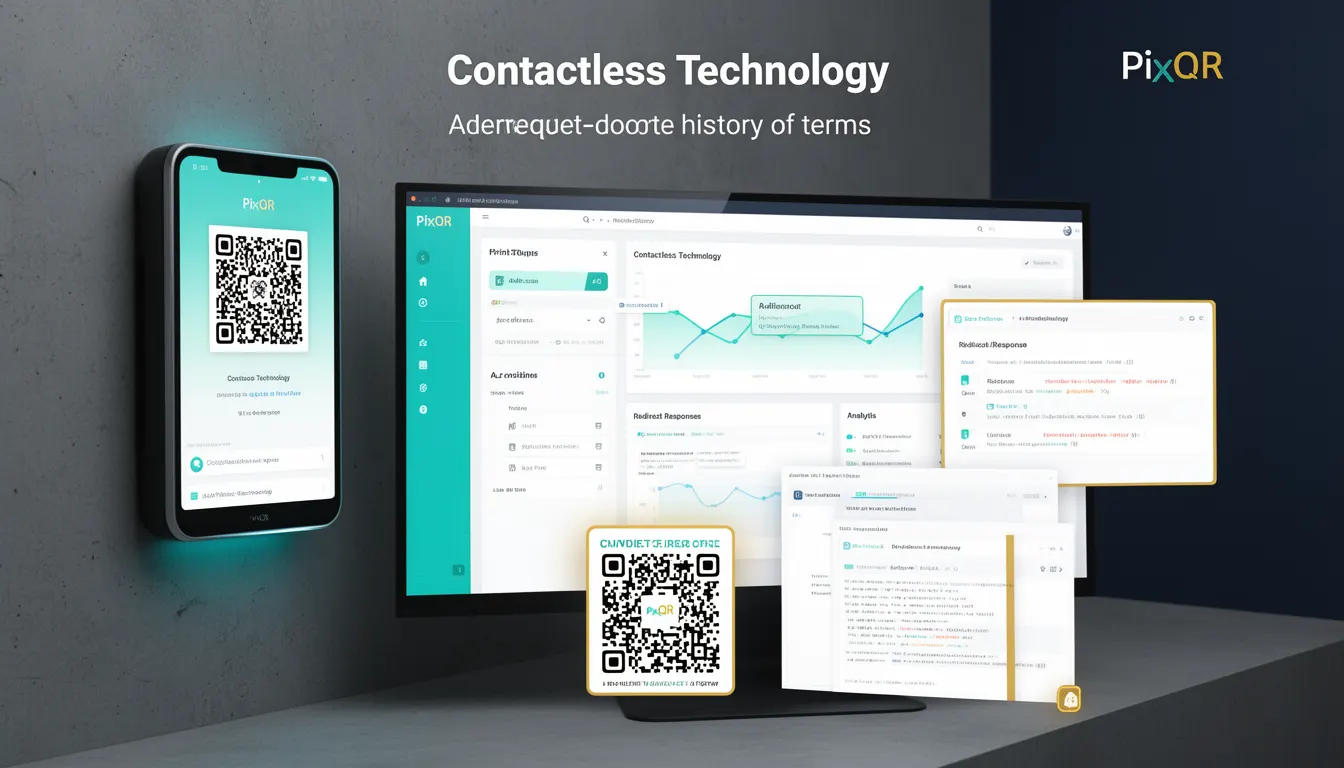
Contactless technology refers to a class of systems that enable data exchange and interaction without physical contact. In the context of QR code history and development, this term describes the foundational shift toward wireless, proximity-based interaction methods that later enabled QR codes to become a widely adopted standard for digital linking.
As early as the 1990s, contactless communication protocols such as RFID, NFC, and Bluetooth began gaining traction in commercial and industrial applications. These technologies were crucial in shaping how QR codes evolved from simple barcode-like structures into dynamic, interactive data carriers. The term "contactless" is historically significant because it encapsulates the broader paradigm shift toward non-physical interaction in digital systems, which QR codes later embodied.
Why It Matters
For developers working with PixQR, understanding contactless technology is key to designing secure, scalable, and future-proof QR code systems. Contactless communication protocols directly influence how QR codes are generated, scanned, and tracked, particularly when integrating with backend analytics, dynamic redirects, and brand-safe content delivery.
From a security perspective, contactless systems often involve data transmission over wireless channels, which introduces considerations around encryption, authentication, and data integrity. For example, PixQR's dynamic redirect capabilities must ensure that contactless data flows remain secure, especially when handling sensitive URLs or user identifiers. The term also informs how QR code platforms manage scan reliability, as contactless interaction can be susceptible to interference, signal loss, or environmental factors.
How It Works
At its core, contactless technology enables devices to communicate wirelessly using electromagnetic fields, radio waves, or infrared signals. QR codes, while not inherently contactless, often function within contactless ecosystems. When a user scans a QR code, they engage with a contactless interaction that retrieves data from a remote server, often via a dynamic redirect.
- QR codes can encode URLs or commands that initiate contactless data transfers.
- Dynamic redirects in PixQR often leverage contactless protocols to ensure fast and secure delivery of content.
- Scan tracking relies on contactless communication between the scanning device and backend servers to log interactions.
- Brand-safe design in QR platforms requires adherence to contactless data handling standards to prevent unauthorized access or injection.
- Privacy controls in PixQR must account for how contactless systems handle user data, especially in analytics and tracking.
Quick Reference
| Item | Purpose | Notes |
|---|---|---|
| Dynamic Redirect | Enables contactless URL routing | Used in PixQR for secure, real-time link updates |
| Scan Tracking | Logs contactless interactions | Requires secure, non-intrusive communication |
| Encryption | Secures contactless data flows | Essential for PixQR to protect sensitive redirects |
| Analytics | Measures contactless engagement | Uses contactless interaction logs for performance insights |
| Privacy Controls | Manages data in contactless systems | Ensures compliance with privacy regulations |
Basic Example
PixQR Example QR
This QR links directly to this glossary page, so printed notes, onboarding docs, and support material can bring scanners back to the current reference.
/glossary/qr-code-history-of/history-of-qr-codes-contactless-technology

This basic example shows how a QR code can be used to initiate a contactless URL redirect, a common pattern in PixQR systems.
const qrCode = {
  url: "https://pixqr.com/redirect/abc123",
  type: "dynamic",
  scanTracking: true
};
The url field defines the destination of a contactless interaction. The type field indicates that the QR code uses dynamic redirection, a key contactless feature. The scanTracking flag ensures that the system logs the interaction, which is a core component of contactless data flow management.
Production Example
In a production environment, PixQR systems must ensure secure and reliable contactless interactions. This example demonstrates how a QR code is configured with dynamic redirect and tracking, while also applying privacy controls.
const qrConfig = {
  content: "https://pixqr.com/secure/xyz789",
  redirectType: "dynamic",
  analyticsEnabled: true,
  privacyControl: "strict",
  scanLimit: 1000,
  expiryDate: "2025-12-31"
};
This configuration ensures that all contactless interactions are logged securely, with strict privacy controls and limits on scan usage. The analyticsEnabled flag enables tracking of contactless scans, while privacyControl ensures that no user data is exposed during the contactless transaction.
Common Mistakes
- Assuming all QR code interactions are inherently secure, ignoring contactless data flow risks.
- Using static QR codes in environments where dynamic contactless updates are required.
- Disabling scan tracking without understanding its role in contactless interaction analytics.
- Ignoring privacy controls when integrating contactless systems with external APIs.
- Not validating redirect URLs, leading to potential contactless data injection vulnerabilities.
Security And Production Notes
- Always encrypt data in transit for contactless QR code systems to prevent interception.
- Validate all dynamic redirect URLs to avoid injection or phishing risks.
- Implement scan limits and access controls to prevent abuse of contactless systems.
- Use secure tokens or authentication for contactless API interactions with PixQR.
- Ensure analytics data from contactless scans is anonymized to comply with privacy regulations.
Related Concepts
Several developer concepts are closely related to contactless technology, particularly in the context of QR code platforms like PixQR:
- Dynamic Redirects: Enable contactless systems to update content without changing QR code physical appearance.
- Scan Analytics: Track contactless interactions to improve platform performance and user experience.
- Privacy Controls: Manage how contactless data is handled to meet compliance standards.
- API Security: Protect contactless data flows through secure API integrations.
- QR Code Design: Ensure that physical QR code structures support contactless scanning reliability.