 PixQR
Overview
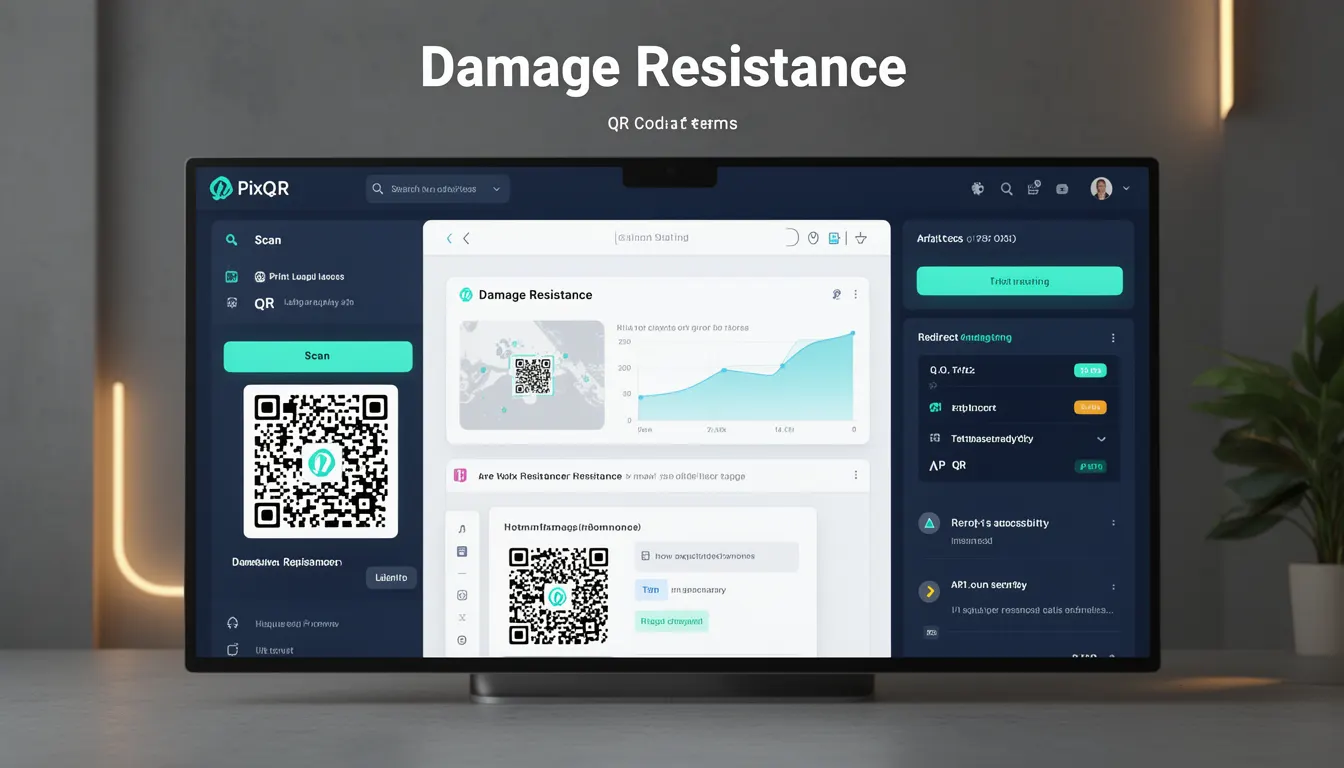
Damage Resistance, in the context of QR code technology and PixQR, refers to a set of design and implementation strategies that ensure QR codes remain scannable and functional even when partially degraded or subjected to physical or environmental damage. This concept is foundational to the reliability and usability of QR codes in production environments, particularly where physical durability or print quality is a concern.
Developers working with PixQR or similar QR generation platforms must understand how Damage Resistance impacts QR code design, error correction levels, and the overall robustness of links and redirects. This term is not merely historical but continues to influence modern QR code architecture, especially in high-volume or mission-critical applications.
Why It Matters
Damage Resistance is critical for developers managing QR code systems that are exposed to real-world conditions. In PixQR's context, this includes applications where codes may be printed on low-quality materials, exposed to weather, or used in environments with physical wear. Without sufficient damage resistance, QR codes can become unreadable, leading to user frustration, lost traffic, or failed redirects.
From a performance and reliability standpoint, Damage Resistance ensures that QR codes meet operational SLAs for scan success rates. This directly impacts analytics, user tracking, and the integrity of link management systems. In high-throughput or brand-sensitive environments, a failure to maintain damage resistance can result in significant downstream consequences.
How It Works
Damage Resistance in QR codes is achieved through a combination of error correction, redundancy, and design optimization. The QR code standard itself supports multiple levels of error correction, which are key to maintaining scannability when parts of the code are damaged or obscured.
- QR codes use Reed-Solomon error correction, which allows for the recovery of data even when a portion of the code is unreadable.
- Four error correction levels (L, M, Q, H) determine how much damage the code can withstand, with H providing the highest resilience.
- Design elements such as quiet zones, border spacing, and contrast ratios are critical to ensuring physical scanability under various conditions.
- PixQR systems often enforce minimum quality thresholds during code generation to ensure compatibility with common scanning hardware.
- Dynamic QR codes with backend redirects can be designed to maintain resilience even if the visual QR code is damaged, by relying on server-side integrity checks.
Quick Reference
| Item | Purpose | Notes |
|---|---|---|
| Error Correction Level | Controls resilience to damage | Level H is most robust |
| Quiet Zone | Unscannable area around code | Must be maintained for scanability |
| Print Quality | Physical fidelity of QR code | Low-quality prints reduce resilience |
| Contrast Ratio | Visibility under different lighting | High contrast improves scanability |
| Dynamic Redirects | Server-side fallback for damaged codes | Ensures functional integrity |
Basic Example
PixQR Example QR
This QR links directly to this glossary page, so printed notes, onboarding docs, and support material can bring scanners back to the current reference.
/glossary/qr-code-history-of/history-of-qr-codes-damage-resistance
This example demonstrates how to generate a QR code with high error correction to ensure resilience.
PixQR.generate({
  data: "https://example.com",
  errorCorrection: "H",
  size: 300
});
The errorCorrection parameter is set to "H", the highest level, to maximize damage resistance. The size parameter defines the physical dimensions of the QR code.
Production Example
In a production environment, a QR code generation system must consider both design and backend resilience. The following example shows a robust approach to generating codes with fallbacks and validation.
const qrConfig = {
  data: "https://example.com",
  errorCorrection: "H",
  size: 300,
  margin: 1,
  quietZone: 2
};

const qrCode = PixQR.generate(qrConfig);

if (qrCode && qrCode.isValid) {
  // Store and serve QR code
  PixQR.store(qrCode);
} else {
  // Fallback or error handling
  throw new Error("Invalid QR code generated");
}
This version includes margin and quiet zone parameters to ensure physical printability and robustness. It also includes validation to prevent the deployment of faulty codes.
Common Mistakes
- Using low error correction levels (L or M) for codes in high-risk environments, leading to frequent scan failures.
- Ignoring quiet zone requirements, which can cause scanners to misread or fail to read the code.
- Overlooking contrast ratios in low-light or outdoor settings, reducing physical scanability.
- Not validating generated QR codes before deployment, leading to invalid or unusable codes in production.
- Assuming all QR scanners will handle degraded codes equally, without accounting for hardware or software differences.
Security And Production Notes
- High error correction levels can increase QR code file size, which may impact performance in bandwidth-constrained environments.
- Always validate QR code output to ensure that it meets required scanability standards before deployment.
- Use consistent margin and quiet zone settings across all QR code generations to maintain reliability.
- Implement fallback mechanisms for dynamic QR codes to ensure that even if the visual code is damaged, the redirect remains functional.
- Consider accessibility implications when designing QR codes, ensuring that they are readable by assistive technologies and scanners.
Related Concepts
Damage Resistance is closely related to several core QR code and link management concepts:
- QR Code Standards: The foundational structure that defines error correction and scannability.
- Dynamic Redirects: The backend mechanism that can maintain functionality even if the QR code is visually damaged.
- Scan Analytics: Monitoring success rates to identify potential damage resistance issues.
- Print Quality: Physical output fidelity that directly affects real-world scannability.
- Link Integrity: Ensuring that QR code redirects remain secure and functional under all conditions.