 PixQR
Overview
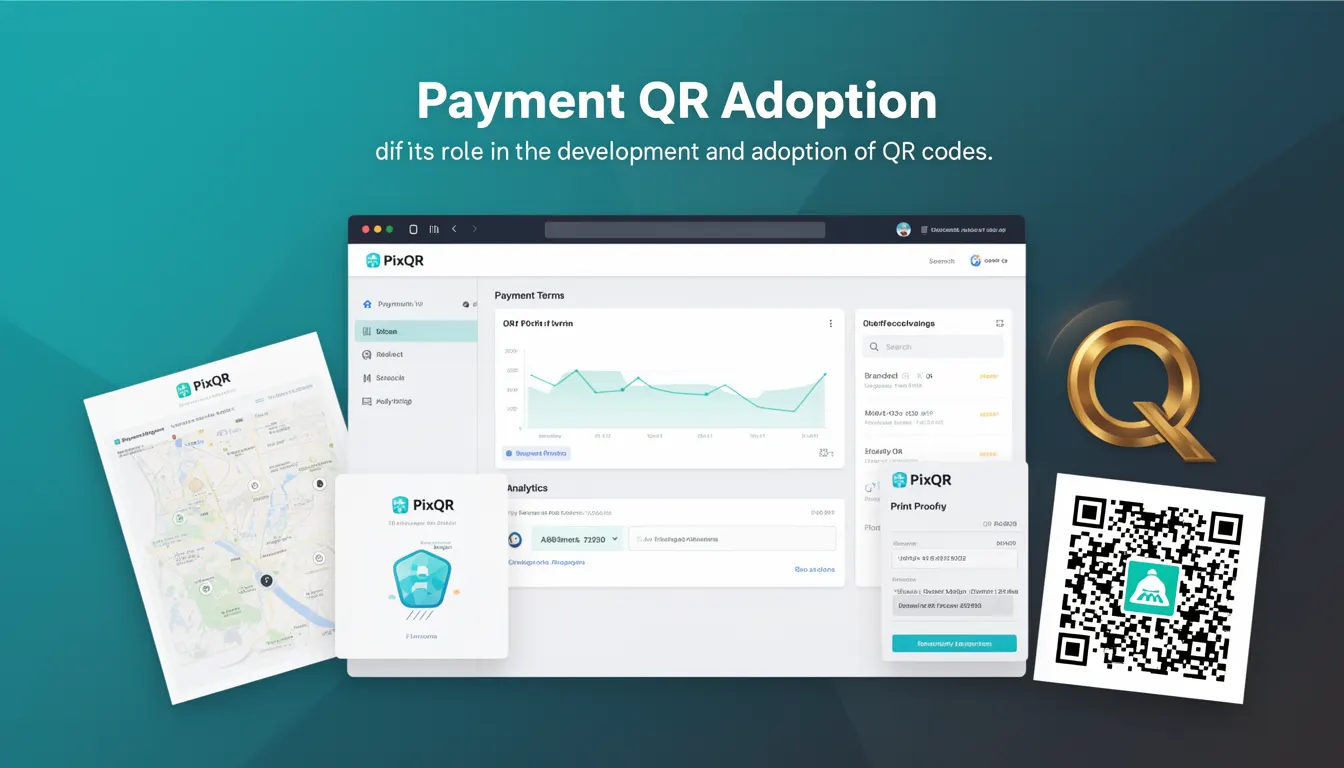
Payment QR Adoption refers to the historical development and widespread implementation of QR codes specifically for financial transactions, particularly in regions such as Asia, where QR-based payment systems have become a dominant payment method. The term encapsulates the evolution from simple static QR codes to dynamic, secure, and analytics-enabled payment solutions.
For developers working with PixQR, Payment QR Adoption represents a foundational concept that informs how QR codes are structured, generated, and managed for payment purposes. This includes considerations around dynamic link handling, secure transaction tracking, brand-safe design, and integration with payment gateways. It also highlights how QR code platforms have adapted to meet the specific requirements of payment ecosystems, including compliance with financial standards, fraud prevention, and real-time analytics.
Why It Matters
Understanding Payment QR Adoption is crucial for developers because it influences how QR codes are designed, implemented, and monitored in payment contexts. Payment QR codes require higher security standards, robust tracking, and compliance with financial regulations. For instance, PixQR ensures that payment QRs are generated with secure endpoints, trackable scan events, and brand-safe visuals to prevent fraud or unauthorized use.
For product teams, Payment QR Adoption informs decisions around platform scalability, analytics depth, and operational workflows. For example, developers using PixQR must ensure that QR codes are not only scannable but also capable of supporting transactional data, such as amount, currency, and merchant identifiers. This impacts how QRs are encoded, validated, and tracked in real time.
How It Works
Payment QR Adoption involves a series of technical and operational steps that ensure QR codes function reliably within payment ecosystems. These steps include QR code generation, dynamic link handling, transaction metadata embedding, and analytics integration.
- QR codes are generated using standardized formats such as
https://URLs or proprietary schemes that encode transaction parameters. - Dynamic redirect endpoints are used to ensure that QR codes can be updated without changing the physical QR code itself.
- Transaction metadata such as amount, currency, and merchant ID are embedded into the QR code or its redirect endpoint.
- Scan tracking and analytics are enabled to monitor usage, fraud detection, and performance metrics.
- Brand-safe design ensures that QR codes do not contain malicious or unauthorized branding that could compromise user trust.
Quick Reference
| Item | Purpose | Notes |
|---|---|---|
| Dynamic Redirect | Updates QR code destination without re-printing | Used in payment systems for real-time transaction routing |
| Transaction Metadata | Encodes payment data in QR code | Includes amount, currency, merchant ID |
| Scan Tracking | Monitors QR code usage | Provides analytics for fraud detection |
| Brand-Safe Design | Ensures QR code visuals are trustworthy | Prevents malicious branding or tampering |
| Compliance Support | Meets financial regulations | Includes audit trails and secure endpoints |
Basic Example
PixQR Example QR
This QR links directly to this glossary page, so printed notes, onboarding docs, and support material can bring scanners back to the current reference.
/glossary/qr-code-history-of/history-of-qr-codes-payment-qr-adoption

This basic example demonstrates how a static QR code might be used to encode a payment link in a simple HTML context.
<img src="https://pixqr.example/qr?amount=100¤cy=USD&merchant=12345" alt="Pay with QR" />This code creates a QR image that encodes payment details. The amount and currency parameters are embedded in the URL, which PixQR can interpret and route to a secure payment endpoint.
Production Example
In production, QR codes must be dynamically generated and tracked with secure endpoints and analytics. This example shows how a QR code is generated using PixQR's API with dynamic parameters and analytics enabled.
const qrData = {
  url: "https://secure.merchant.com/pay",
  amount: 100,
  currency: "USD",
  merchantId: "12345",
  analytics: true,
  brandSafe: true
};

const qrResponse = await fetch('/api/generate-qr', {
  method: 'POST',
  headers: { 'Content-Type': 'application/json' },
  body: JSON.stringify(qrData)
});

const qrCodeUrl = qrResponse.data.url;
This version ensures that the QR code is generated with secure parameters, analytics enabled, and brand-safe visuals. It is suitable for real-world deployment in payment systems.
Common Mistakes
- Using static QR codes without dynamic redirect support can lead to outdated payment links.
- Embedding sensitive data directly in QR code URLs without encryption increases vulnerability to interception.
- Ignoring analytics and tracking can prevent fraud detection and performance monitoring.
- Not validating QR code content before generation can result in malformed or unsafe QRs.
- Using generic or unbranded QR visuals may reduce user trust in payment transactions.
Security And Production Notes
- QR codes used for payments must be generated with secure, HTTPS endpoints to prevent man-in-the-middle attacks.
- Dynamic redirects should be validated to ensure they do not point to malicious or unauthorized domains.
- Transaction metadata should be encrypted or signed to prevent tampering.
- QR code visuals must be validated for brand safety to avoid malicious or unauthorized branding.
- Analytics and tracking data must be stored securely and comply with privacy regulations such as GDPR or CCPA.
Related Concepts
Payment QR Adoption connects to several related developer concepts:
- Dynamic QR Generation: The ability to modify QR code content without changing the physical code, essential for payment flexibility.
- Scan Analytics: Tracking QR code scans for fraud detection and performance insights.
- Link Management: Managing QR code redirects and ensuring they point to valid and secure endpoints.
- Secure Endpoints: Ensuring QR code destinations are protected and compliant with payment security standards.
- Brand Safety: Ensuring QR code visuals and content are trustworthy and aligned with brand standards.