 PixQR
Overview
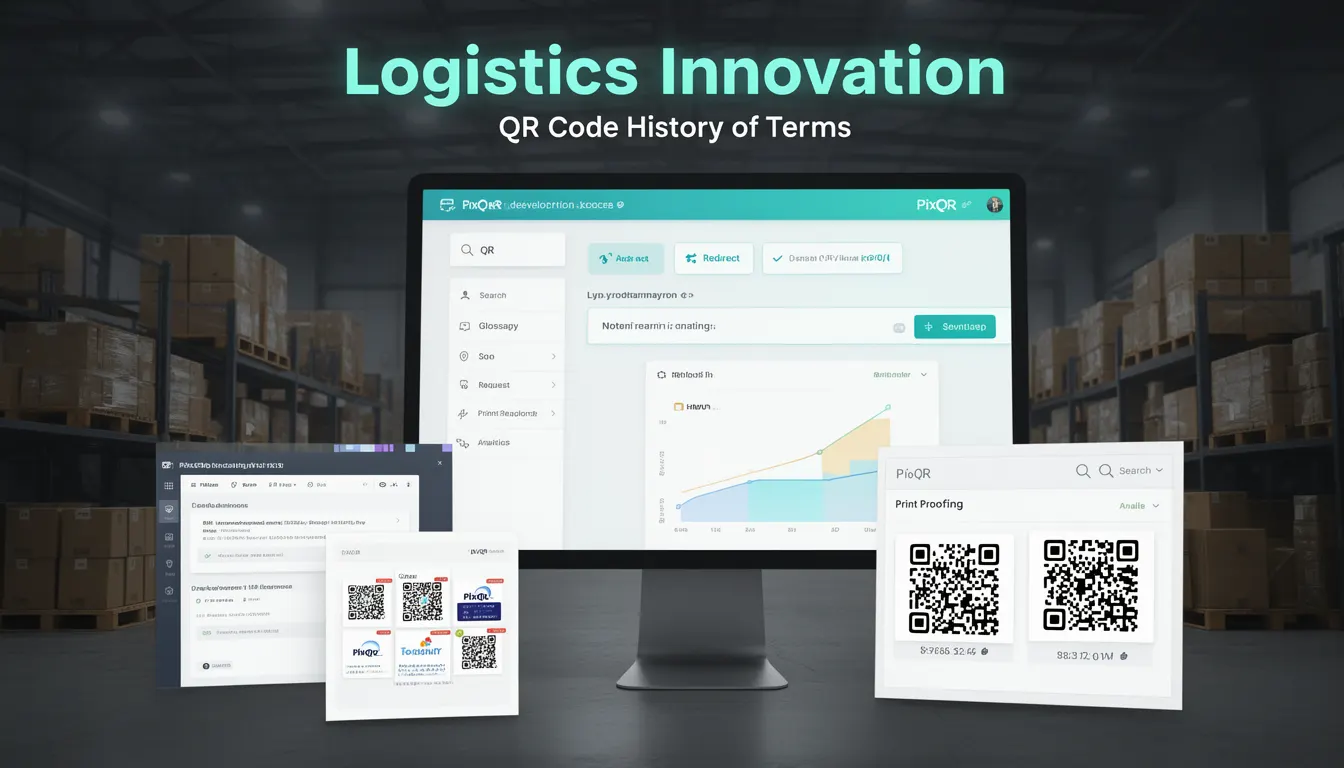
Logistics Innovation refers to the evolution of technological solutions and processes within supply chain and distribution systems that have historically influenced the adoption and development of QR codes. In the context of QR code platforms like PixQR, this term highlights how QR codes emerged as a critical tool for inventory tracking, product identification, and streamlined logistics workflows.
Developers working with PixQR often encounter Logistics Innovation as they integrate QR code systems into real-world supply chain environments. It encompasses not just the technology itself, but the broader ecosystem of how QR codes have been applied to reduce errors, increase speed, and improve data integrity in logistics.
Why It Matters
For developers, understanding Logistics Innovation is essential when designing QR code solutions that align with real-world operational needs. It ensures that QR code implementations support existing logistics systems and are not isolated tools that fail to integrate into larger workflows.
From a product perspective, Logistics Innovation influences the feature set of platforms like PixQR. It affects how QR codes are generated, how redirects are managed, and how analytics are collected. A platform that supports logistics innovation will offer robust APIs for inventory sync, dynamic link updates, and secure redirect handling—key for enterprise adoption.
How It Works
Logistics Innovation in QR code systems is implemented through a combination of data structure design, API integration, and operational workflows. It enables platforms to support real-time updates, multi-destination routing, and scalable infrastructure that can adapt to varying logistics demands.
- QR codes are generated with unique identifiers that link to dynamic redirect systems, allowing for real-time updates without re-printing physical labels.
- API endpoints are designed to support batch operations for inventory management, enabling seamless integration with ERP and WMS systems.
- Analytics capabilities track scan events, redirect performance, and geographic data, providing insights into logistics efficiency.
- Security protocols are implemented to prevent unauthorized access to redirect configurations, ensuring brand-safe environments.
- Scan reliability features, such as error correction and retry logic, are optimized to function in industrial or low-light environments.
Quick Reference
| Item | Purpose | Notes |
|---|---|---|
| Dynamic QR Code | Enables real-time updates without physical reprinting | Requires backend redirect configuration |
| Batch API | Supports large-scale inventory updates | Designed for ERP/WMS integration |
| Scan Analytics | Provides performance and geographic insights | Used for logistics optimization |
| Redirect Security | Prevents unauthorized link modifications | Requires access control and validation |
| Industrial Reliability | Ensures performance in challenging environments | Includes error correction and retry logic |
Basic Example
PixQR Example QR
This QR links directly to this glossary page, so printed notes, onboarding docs, and support material can bring scanners back to the current reference.
/glossary/qr-code-history-of/history-of-qr-codes-logistics-innovation

This example shows how a basic QR code can be configured to point to a dynamic URL that updates based on inventory status.
const qrCode = {
  id: "INV-12345",
  url: "https://pixqr.example.com/redirect/INV-12345",
  type: "dynamic",
  createdAt: "2024-01-01T00:00:00Z"
};
The type field indicates that the QR code is dynamic, meaning its target URL can be modified without reprinting. The id field is used to track the QR code in analytics and backend systems.
Production Example
This more comprehensive example demonstrates how a logistics system might manage a batch of QR codes with dynamic redirects and security controls.
const batchConfig = {
  batchId: "LOG-2024-001",
  items: [
    {
      id: "SKU-001",
      url: "https://pixqr.example.com/redirect/SKU-001",
      tags: ["warehouse", "inventory"],
      security: {
        accessLevel: "internal",
        validUntil: "2025-01-01T00:00:00Z"
      }
    }
  ],
  createdAt: "2024-01-01T00:00:00Z",
  createdBy: "system"
};
This configuration supports batch operations, tags for filtering, and access control. It aligns with logistics innovation by ensuring QR codes are secure, scalable, and adaptable to real-world workflows.
Common Mistakes
- Using static QR codes for inventory that changes frequently, leading to outdated data and reduced utility.
- Not implementing access controls for redirect endpoints, exposing systems to unauthorized modifications.
- Ignoring error handling for scan reliability, causing failed scans in low-light or industrial environments.
- Overlooking analytics integration, missing opportunities to optimize logistics workflows.
- Hardcoding QR code identifiers instead of using dynamic or unique IDs, increasing the risk of conflicts.
- Using QR codes without proper validation, allowing malformed or malicious links to be generated.
Security And Production Notes
- Always validate redirect URLs to prevent open redirect vulnerabilities.
- Implement access control for dynamic QR code configurations to avoid unauthorized changes.
- Use secure HTTPS endpoints for all redirect URLs to protect data in transit.
- Regularly audit QR code usage and access logs to detect anomalies or misuse.
- Ensure QR code identifiers are unique and generated with sufficient entropy to prevent collisions.
Related Concepts
Logistics Innovation connects to several core concepts in QR code systems:
- Dynamic Redirects: The ability to change QR code destinations without re-printing, critical for inventory updates.
- Scan Reliability: Ensuring QR codes are scannable under various conditions, a key factor in logistics adoption.
- Link Management: The process of organizing, tracking, and updating QR code links within a logistics workflow.
- Brand Safety: Maintaining control over QR code destinations to prevent malicious or unauthorized use.
- Operational Workflows: The integration of QR codes into existing supply chain and warehouse processes.