 PixQR
Overview
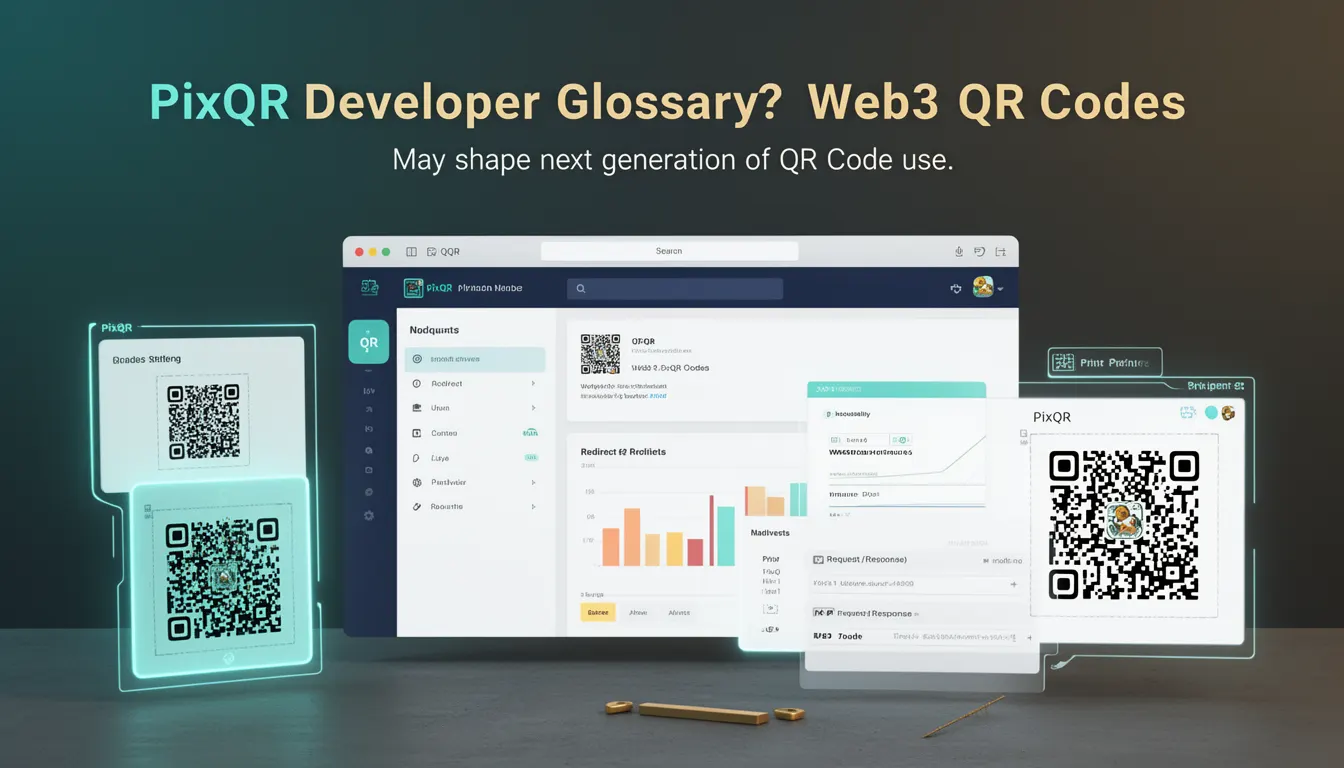
Web3 QR Codes represent a forward-looking evolution of traditional QR code functionality, integrating decentralized identity, blockchain-based authentication, and smart contract interactions into QR-based user flows. These codes are designed to bridge the gap between conventional digital QR scanning and the emerging decentralized web (Web3) ecosystem.
In the context of PixQR, Web3 QR Codes are used to generate secure, dynamic links that can initiate blockchain transactions, authenticate users via decentralized identities, or redirect to Web3-enabled applications. Unlike standard QR codes that simply encode a URL, Web3 QR Codes are built to support cryptographic signatures, multi-chain compatibility, and secure wallet interactions. Developers using PixQR for Web3 applications can create QR codes that are capable of initiating transactions or verifying user identity without requiring a centralized backend.
Why It Matters
For developers working in decentralized environments, Web3 QR Codes provide a secure and standardized way to interact with blockchain networks directly from mobile devices. This approach improves user experience by eliminating the need to manually enter complex wallet addresses or transaction parameters. In a production context, these codes enhance security by enabling cryptographic verification and reducing reliance on centralized intermediaries.
From a privacy perspective, Web3 QR Codes can be designed to avoid exposing sensitive data or tracking user behavior. For site operators, these codes support advanced analytics that respect user privacy while still providing insights into engagement. The integration of Web3 QR Codes into PixQR workflows also allows for more robust fraud prevention, as cryptographic signatures can verify transaction authenticity and prevent unauthorized actions.
How It Works
Web3 QR Codes function by encoding blockchain-specific data within the QR code payload. This includes transaction parameters, smart contract addresses, and cryptographic signatures. The underlying mechanism relies on standard QR encoding formats but extends them to support decentralized protocols and data structures.
- Web3 QR Codes typically encode data in a format compliant with EIP-681 (Ethereum URI Scheme) or similar blockchain standards.
- The QR code payload includes a URL or URI that references a decentralized application or smart contract.
- Embedded cryptographic signatures ensure transaction integrity and prevent tampering.
- Support for multiple blockchain networks (Ethereum, Polygon, Solana, etc.) enables cross-chain compatibility.
- Dynamic QR generation allows for real-time updates of transaction parameters or wallet addresses.
Quick Reference
| Item | Purpose | Notes |
|---|---|---|
| Blockchain network identifier | Selects target blockchain | Must match wallet support |
| Smart contract address | Identifies contract to interact with | Must be valid for selected chain |
| Transaction method | Defines contract function to call | Requires ABI specification |
| Crypto signature | Ensures authenticity | Must be generated by authorized party |
| Dynamic payload | Enables real-time updates | Requires backend support |
Basic Example
PixQR Example QR
This QR links directly to this glossary page, so printed notes, onboarding docs, and support material can bring scanners back to the current reference.
/glossary/the-future-of-qr-codes/the-future-of-qr-codes-web3-qr-codes

This example demonstrates a basic Web3 QR code structure using an Ethereum transaction format.
ethereum:0x742d35Cc6634C0532925a3b844Bc454e4438f44e?value=1000000000000000000&function=transfer(address,uint256)This code encodes a transaction to transfer 1 ETH to a specific address. The ethereum: prefix indicates the protocol, the address specifies the recipient, and the function parameter defines the smart contract interaction.
Production Example
This example shows a production-ready Web3 QR code implementation that includes dynamic parameters and signature verification.
https://pixqr.com/qr/web3?chain=ethereum&contract=0x742d35Cc6634C0532925a3b844Bc454e4438f44e&method=approve&amount=1000000000000000000&signature=0x1234567890abcdef...This version includes dynamic parameters that can be updated in real-time and a cryptographic signature to ensure transaction integrity. The URL structure allows PixQR to route requests to appropriate blockchain infrastructure while maintaining security through signature validation.
Common Mistakes
- Using static addresses instead of dynamic parameters, which reduces flexibility and security.
- Ignoring blockchain network compatibility, leading to failed transactions or wallet rejection.
- Missing cryptographic signatures, which makes transactions vulnerable to tampering or fraud.
- Not validating smart contract addresses before encoding, resulting in invalid or malicious transactions.
- Overlooking user privacy implications, such as exposing wallet addresses or transaction history.
Security And Production Notes
- Always validate blockchain addresses and contract methods before generating QR codes to prevent unauthorized interactions.
- Implement cryptographic signature verification to ensure transaction integrity and prevent tampering.
- Use dynamic QR generation to allow real-time updates and reduce exposure of sensitive transaction data.
- Support multiple blockchain networks to provide flexibility and reduce dependency on single protocols.
- Design QR codes with privacy in mind, avoiding the exposure of personal or financial data in the payload.
Related Concepts
Web3 QR Codes are closely related to several key technologies and practices in decentralized application development. Decentralized Identifiers (DIDs) provide user authentication without centralized identity providers, which can be integrated into QR code workflows. Smart contracts define the executable logic that QR codes interact with, making them essential for transaction processing. Ethereum URI Scheme (EIP-681) standardizes how blockchain transactions are encoded in URLs, ensuring compatibility across platforms. Wallet integration enables seamless user experience by connecting QR code scanning directly to cryptocurrency wallets. Finally, Blockchain analytics provides insights into user behavior and transaction patterns, supporting both security and business intelligence.