 PixQR
Overview
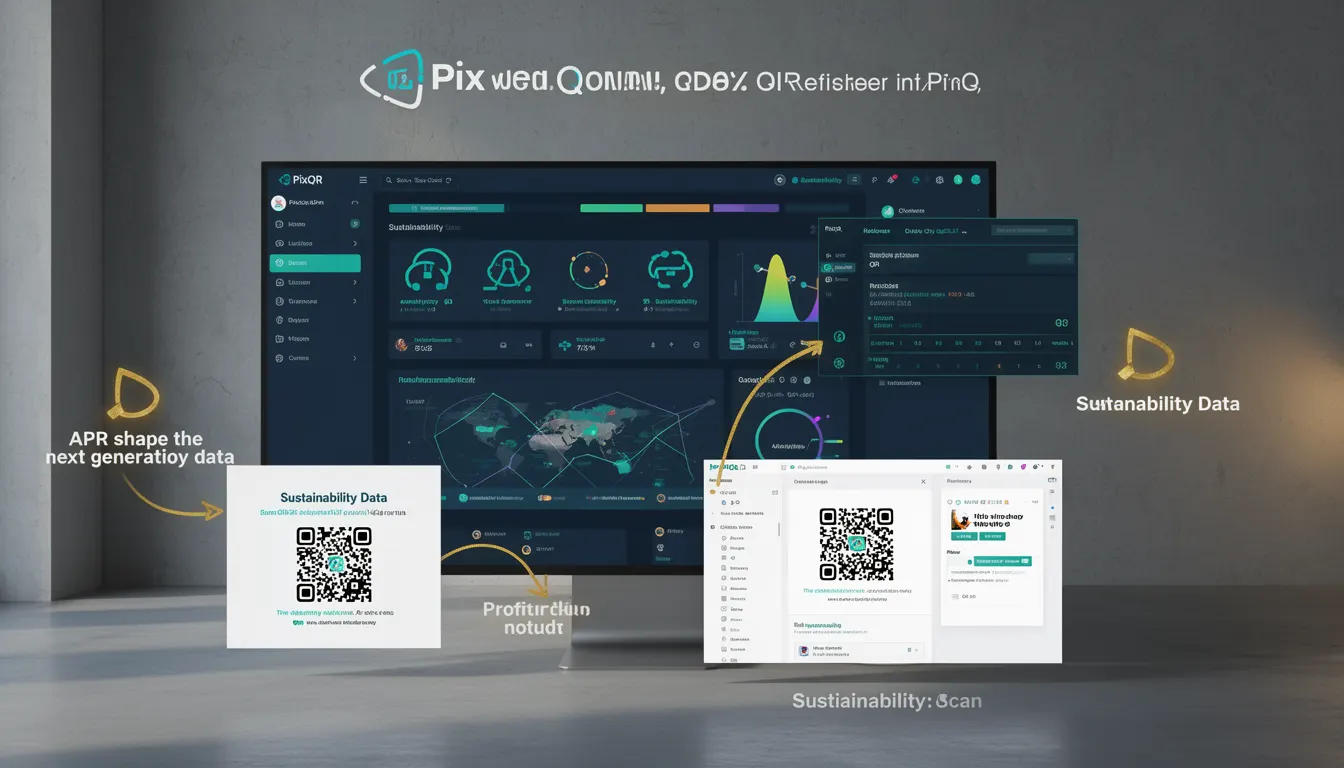
Sustainability Data represents a forward-looking concept in QR code technology, focusing on how data collected through QR scans can be used to support environmental, social, and governance (ESG) goals. In the context of PixQR, this term refers to structured information embedded within QR codes that can be leveraged for reporting, tracking, or verification of sustainability-related activities.
For developers working with PixQR, Sustainability Data becomes relevant when designing QR codes that are not just functional but also contribute to broader sustainability objectives, such as reducing paper usage, enabling traceability of products, or tracking emissions from supply chains. It is not a standalone technology but a framework for integrating data collection and analytics into QR code workflows.
Why It Matters
For developers and product teams, Sustainability Data introduces a new dimension to QR code design and analytics. It shifts the focus from simple redirects to data-rich interactions that support ESG compliance and corporate responsibility goals. This impacts how QR codes are structured, what data is collected, and how that data is processed and reported.
From a user experience standpoint, Sustainability Data can enhance trust by providing transparency into product origins, carbon footprints, or ethical sourcing. For PixQR, this means supporting features like data export, audit trails, and integration with ESG dashboards. The implications for developers include new APIs, analytics capabilities, and potentially more complex configuration options.
How It Works
Sustainability Data is implemented through structured QR code content that can be scanned and interpreted by applications or analytics systems. The data is typically encoded in a way that allows for machine-readable formats such as JSON or CSV, which can then be used for reporting or compliance purposes.
- QR codes can be configured to include metadata about product lifecycle, emissions, or sourcing practices.
- When scanned, the QR code content triggers a redirect or data collection mechanism that logs environmental impact or user behavior.
- PixQR supports custom data fields that can be added to QR code payloads, allowing developers to specify what sustainability metrics are tracked.
- Analytics dashboards in PixQR can aggregate this data to generate reports for ESG compliance or marketing purposes.
- Integration with external systems, such as carbon accounting platforms or blockchain-based tracking tools, enables deeper sustainability insights.
Quick Reference
| Item | Purpose | Notes |
|---|---|---|
| Sustainability data fields | Define what metrics are tracked | Customizable per QR code |
| QR code metadata | Include ESG-related information | Encoded in payload |
| Analytics integration | Aggregate sustainability metrics | Supports compliance reporting |
| Export capabilities | Generate ESG reports | Supports CSV, JSON formats |
| Third-party platform support | Connect to ESG tools | API-based integrations |
Basic Example
PixQR Example QR
This QR links directly to this glossary page, so printed notes, onboarding docs, and support material can bring scanners back to the current reference.
/glossary/the-future-of-qr-codes/the-future-of-qr-codes-sustainability-data

A basic example of Sustainability Data involves embedding a JSON object into a QR code payload that specifies product origin and carbon footprint. This data can be accessed by scanning the QR code and interpreted by a mobile app or analytics system.
{
  "product": "Organic Cotton T-Shirt",
  "origin": "Ethiopia",
  "carbon_footprint": "2.5 kg CO2",
  "sourcing_practice": "Fair Trade"
}
This JSON structure defines a set of sustainability metrics that can be displayed to users or logged for reporting. The key is that the QR code payload is structured to allow machine parsing and user understanding.
Production Example
In a production environment, a PixQR developer might configure a QR code to include multiple sustainability data fields and ensure that all data is validated and securely transmitted. This involves setting up a data schema, integrating with an analytics system, and ensuring compliance with data privacy regulations.
{
  "qr_id": "12345",
  "timestamp": "2025-04-05T10:00:00Z",
  "scan_location": "Retail Store A",
  "product_id": "P001",
  "sustainability": {
    "carbon_footprint": "2.5 kg CO2",
    "water_usage": "100 L",
    "waste_reduction": "30%"
  },
  "user_id": "U123456"
}
This version includes identifiers, timestamps, and structured sustainability metrics. It is suitable for production because it is well-organized, includes context for analytics, and supports audit and compliance needs.
Common Mistakes
- Not validating the data schema before embedding it into QR codes, leading to parsing errors or incomplete reporting.
- Using non-standard or proprietary formats that are not compatible with ESG dashboards or analytics tools.
- Ignoring privacy regulations when collecting user data alongside sustainability metrics.
- Overloading QR code payloads with too much data, which can affect scan reliability or increase error rates.
- Failing to implement consistent naming conventions for sustainability data fields, making aggregation and reporting difficult.
Security And Production Notes
- Ensure that sustainability data embedded in QR codes is not used to infer personal user identities or sensitive information.
- Validate all data fields before inclusion to prevent malformed payloads or system errors.
- Use secure HTTPS endpoints for data collection to prevent interception or tampering of sustainability metrics.
- Implement access controls and audit logging for systems that process or export sustainability data.
- Consider performance impacts when integrating sustainability data with real-time analytics or large-scale reporting systems.
Related Concepts
Several developer concepts are closely related to Sustainability Data in the context of QR code development and ESG compliance. These include:
- QR Code Analytics: The collection and interpretation of scan data to understand user behavior and campaign effectiveness.
- Data Privacy Compliance: Ensuring that sustainability data collection meets regulations like GDPR or CCPA.
- Dynamic QR Code Redirects: The ability to modify QR code content without re-printing, useful for updating sustainability metrics.
- Supply Chain Traceability: Using QR codes to track product origin and environmental impact throughout the supply chain.
- API Integrations: Connecting QR code systems to ESG platforms, carbon accounting tools, or blockchain networks.