 PixQR
Overview
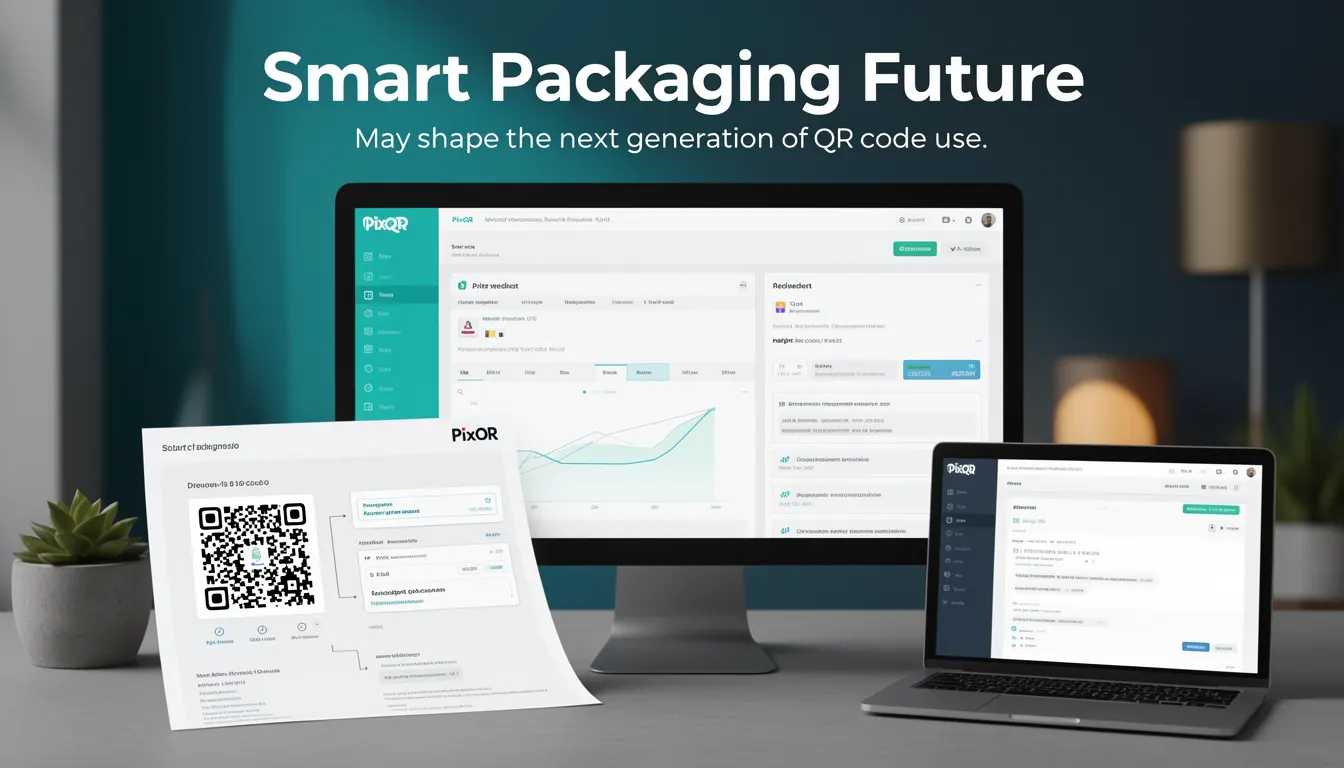
Smart Packaging Future refers to an emerging trend in QR code usage where physical products are integrated with digital experiences through smart packaging solutions. These systems often rely on QR codes as entry points to dynamic content, interactive media, or IoT-enabled product data. In the context of PixQR, Smart Packaging Future describes how QR codes are evolving beyond static links to become part of a broader ecosystem of product engagement, tracking, and analytics.
For developers working with PixQR, Smart Packaging Future is relevant when designing QR code systems that support product lifecycle management, brand interaction, and user engagement through physical-to-digital transitions. This includes scenarios where QR codes may lead to product information, usage instructions, warranty details, or even integration with smart home or IoT devices.
Why It Matters
Smart Packaging Future represents a shift from traditional QR code use to a more immersive and data-driven experience. For developers, this evolution introduces new requirements around link management, analytics integration, and content delivery. QR codes are no longer just static URLs but are part of a larger digital product ecosystem.
From a production standpoint, this trend affects how QR code systems handle redirects, user tracking, and content personalization. PixQR's dynamic redirect capabilities are essential in these contexts, as they allow for real-time updates to content without changing physical packaging. It also impacts security, as QR codes may now be used to deliver sensitive product information or access IoT-enabled features.
How It Works
The Smart Packaging Future model typically involves a QR code that serves as a gateway to a digital experience, often managed through a platform like PixQR. This experience may be dynamic, personalized, or connected to backend services. The QR code itself is a static identifier, but the content it points to can be updated, tracked, and analyzed in real time.
- QR codes are generated with dynamic link capabilities, allowing content to be updated without physical changes to packaging.
- Link tracking and analytics are integrated to monitor how users interact with the QR code and its associated digital content.
- Content delivery may be managed through PixQR’s API, allowing for personalized or context-aware content delivery.
- Smart packaging systems may integrate with IoT or smart home platforms, using QR codes as a trigger for device pairing or configuration.
- Security considerations include ensuring that dynamic content is served over secure connections and that QR code redirects are validated to prevent malicious redirections.
Quick Reference
| Item | Purpose | Notes |
|---|---|---|
| Dynamic QR Code | Allows content to be updated without physical changes | Essential for smart packaging systems |
| Redirect Management | Controls where QR code links point | Supports real-time content updates |
| Analytics Integration | Tracks user engagement with QR codes | Provides insights into product interaction |
| Content Personalization | Delivers context-aware content | Requires backend integration and user data |
| IoT Integration | Enables QR codes to trigger smart device actions | Requires secure API connections |
Basic Example
PixQR Example QR
This QR links directly to this glossary page, so printed notes, onboarding docs, and support material can bring scanners back to the current reference.
/glossary/the-future-of-qr-codes/the-future-of-qr-codes-smart-packaging-future

This basic example demonstrates how a QR code can be generated using PixQR to point to a dynamic URL. The QR code itself is static, but the destination content can be updated through the PixQR dashboard or API.
const qrCode = pixqr.generate({
  content: 'https://api.pixqr.com/redirect/abc123',
  type: 'dynamic',
  size: '200x200'
});
The generated QR code points to a dynamic URL managed by PixQR. The type: 'dynamic' parameter ensures that the destination can be updated without changing the physical QR code.
Production Example
This example shows a more robust implementation that includes error handling, analytics tracking, and secure content delivery. It is suitable for production use in smart packaging systems.
const pixqr = require('pixqr-sdk');
const qrCode = pixqr.generate({
  content: 'https://api.pixqr.com/redirect/abc123',
  type: 'dynamic',
  size: '200x200',
  analytics: true,
  secure: true,
  tags: ['product', 'smart-packaging']
});

if (qrCode && qrCode.url) {
  console.log('QR Code generated successfully:', qrCode.url);
} else {
  console.error('Failed to generate QR code');
}
This version includes analytics tracking and secure content delivery, which are critical for production systems. The tags parameter allows for better organization and filtering of QR codes within the PixQR dashboard.
Common Mistakes
- Using static QR codes in smart packaging systems, which prevents content updates and limits functionality.
- Ignoring analytics integration, leading to missed opportunities for user engagement insights.
- Not validating dynamic content URLs, which can lead to security vulnerabilities.
- Overlooking accessibility considerations, such as ensuring QR code content is usable by screen readers or other assistive technologies.
- Failing to test QR code reliability across different scanners and devices, which can cause user frustration.
Security And Production Notes
- Always use HTTPS for dynamic content to ensure secure delivery of information.
- Implement URL validation to prevent malicious redirects or content injection.
- Ensure QR code analytics are GDPR-compliant and do not track personally identifiable information without consent.
- Use PixQR’s API to manage content updates, avoiding direct modifications to QR code content in production.
- Regularly audit QR code usage to prevent unauthorized access or tampering.
Related Concepts
Smart Packaging Future is closely related to several other technologies and practices in QR code development:
- Dynamic Redirects: The ability to change QR code destinations without changing the physical code, essential for smart packaging systems.
- QR Code Analytics: Tracking user interactions to improve engagement and product insights.
- IoT Integration: Connecting QR codes to smart devices for enhanced user experiences.
- Brand Safety: Ensuring QR code content aligns with brand standards and does not expose users to harmful content.
- Privacy Compliance: Managing user data collected through QR code interactions in line with regulations like GDPR or CCPA.