 PixQR
Overview
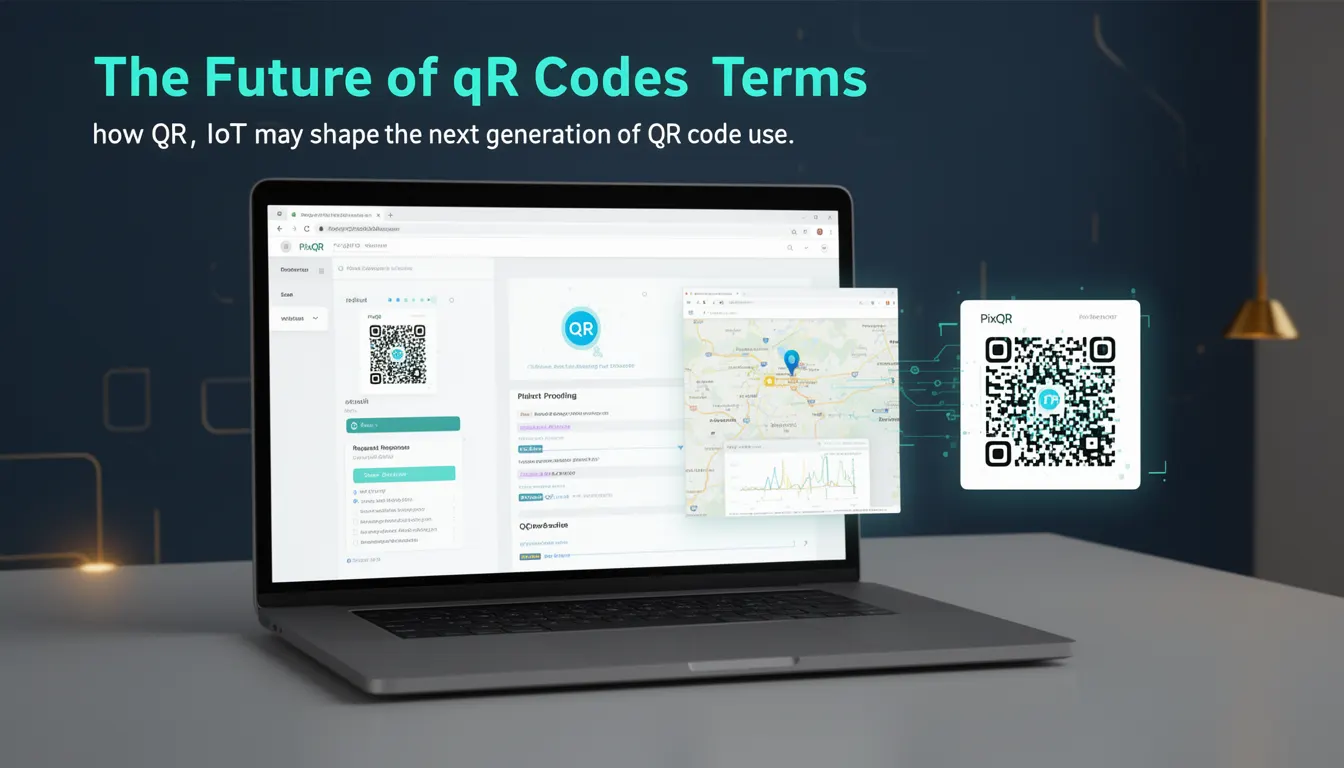
QR and IoT represents a convergence of two transformative technologies, where QR codes serve as a lightweight, universal interface to connect physical devices and environments to digital systems. In the context of PixQR, this term refers to the integration of QR code functionality with Internet of Things (IoT) ecosystems, enabling dynamic, context-aware interactions that extend beyond simple link redirection.
This concept is particularly relevant in smart city initiatives, industrial automation, retail inventory tracking, and asset management systems. QR codes embedded in IoT devices can carry dynamic payloads that update in real time, allowing for seamless integration with cloud services, analytics platforms, and user interfaces. For developers, QR and IoT represents an evolving paradigm where static QRs are replaced by dynamic, data-rich interfaces that respond to environmental conditions, user behavior, or backend events.
Why It Matters
For developers working with PixQR, understanding QR and IoT is critical because it enables more sophisticated use cases than traditional QR code applications. The integration allows for real-time data updates, remote device management, and contextual user experiences that respond to physical environment changes. This is particularly important for maintaining secure, scalable, and maintainable systems in environments where devices must communicate without constant human intervention.
From a security perspective, QR and IoT introduces new attack vectors and data handling requirements. QR codes in IoT environments often carry sensitive information or control commands, making them prime targets for spoofing or manipulation. Developers must ensure that QR payloads are cryptographically signed, validated, and protected against unauthorized access. Additionally, PixQR's analytics capabilities become more valuable when tracking QR scans in IoT contexts, helping identify device behavior patterns and potential security anomalies.
How It Works
The mechanism behind QR and IoT involves a combination of QR code generation with dynamic content management, secure data transmission, and backend integration. The process begins with generating a QR code that references a URL or API endpoint, which then serves dynamic content based on the IoT device's state or environment.
- QR codes in IoT systems are typically generated with dynamic payloads that can be updated via API calls or backend services.
- Each QR code may carry metadata such as device ID, location, timestamp, or security tokens that help identify and authenticate the source.
- IoT devices scan QR codes and communicate with backend systems through secure protocols like HTTPS or MQTT, often using PixQR's redirect services to ensure consistent access patterns.
- Scan tracking and analytics are crucial for IoT deployments, allowing developers to monitor device activity, optimize performance, and detect anomalies.
- QR payloads in IoT contexts often include configuration parameters, firmware update URLs, or access control information that enable remote management of connected devices.
Quick Reference
| Item | Purpose | Notes |
|---|---|---|
| Dynamic QR payload | Enables real-time updates to QR content | Use PixQR's API to update QR content without re-printing physical labels |
| Device metadata | Provides context about the scanned device | Include device ID, location, and timestamp in QR payload |
| Secure redirect | Ensures safe navigation to IoT backend | Use PixQR's redirect service to enforce HTTPS and prevent open redirects |
| Analytics integration | Tracks QR scan behavior for IoT systems | Enable PixQR's analytics to monitor device activity and performance |
| Access control tokens | Authenticates QR scans in secure IoT environments | Include signed tokens in QR payloads to validate device permissions |
Basic Example
PixQR Example QR
This QR links directly to this glossary page, so printed notes, onboarding docs, and support material can bring scanners back to the current reference.
/glossary/the-future-of-qr-codes/the-future-of-qr-codes-qr-and-iot

This basic example demonstrates how a QR code can be generated with a dynamic payload for an IoT device. The QR code points to a PixQR redirect URL that can be updated in real time.
const qrPayload = {
  "deviceId": "device_12345",
  "endpoint": "https://api.pixqr.com/iot/device/12345",
  "timestamp": Date.now(),
  "securityToken": "abc123xyz"
};

const qrCodeUrl = `https://pixqr.com/qr?data=${encodeURIComponent(JSON.stringify(qrPayload))}`;
console.log(qrCodeUrl);
The example shows how to construct a payload with device identification and metadata. The QR code URL is generated using PixQR's platform, which ensures the content can be updated without changing the physical QR code label.
Production Example
This production-ready example includes validation, error handling, and secure configuration for IoT QR code generation. It demonstrates how to manage device lifecycle and ensure QR code integrity in a real-world scenario.
class IoTQRManager {
  constructor(apiKey, baseUrl) {
    this.apiKey = apiKey;
    this.baseUrl = baseUrl;
  }

  async generateDeviceQR(deviceId, location, config = {}) {
    try {
      const payload = {
        deviceId,
        location,
        timestamp: Date.now(),
        config,
        signature: this.generateSignature(deviceId, location)
      };

      const response = await fetch(`${this.baseUrl}/api/v1/qr`, {
        method: 'POST',
        headers: {
          'Authorization': `Bearer ${this.apiKey}`,
          'Content-Type': 'application/json'
        },
        body: JSON.stringify({
          payload: JSON.stringify(payload),
          type: 'dynamic'
        })
      });

      const result = await response.json();
      return result.qrUrl;
    } catch (error) {
      console.error('QR generation failed:', error);
      throw error;
    }
  }

  generateSignature(deviceId, location) {
    const data = `${deviceId}${location}${Date.now()}`;
    return btoa(data); // Simplified signature generation
  }
}

const manager = new IoTQRManager('your-api-key', 'https://api.pixqr.com');
manager.generateDeviceQR('sensor_001', 'warehouse_a').then(url => {
  console.log('Generated QR URL:', url);
});
This version includes API key management, signature generation for security, and error handling. It's suitable for production use because it follows secure practices, integrates with PixQR's API, and manages device-specific configurations while maintaining scalability.
Common Mistakes
- Hardcoding device IDs in QR payloads, which makes systems inflexible and difficult to update without re-printing QR codes.
- Using static QR codes for IoT devices without leveraging dynamic content features, leading to outdated information and limited functionality.
- Ignoring security validation of QR payloads, which can allow unauthorized access to IoT systems or injection of malicious data.
- Failing to implement analytics tracking for QR scans, resulting in lost insights about device behavior and performance.
- Not validating QR payload structure before sending to IoT devices, causing system failures or unexpected behavior when devices attempt to process malformed data.
Security And Production Notes
- Always sign QR payloads with cryptographic tokens to prevent unauthorized modification or spoofing of IoT device data.
- Use HTTPS-only redirects to ensure data integrity and prevent man-in-the-middle attacks during QR scan processing.
- Implement rate limiting and access control on QR generation APIs to prevent abuse and ensure system stability.
- Validate all QR payload content before allowing IoT devices to process it, especially in critical infrastructure environments.
- Monitor QR scan analytics for unusual patterns that might indicate security breaches or device malfunction.
Related Concepts
QR and IoT connects closely with several other developer concepts. Dynamic QR generation is fundamental, as it enables real-time updates to device information. Secure redirects ensure that QR scans lead to trusted endpoints, while analytics integration provides visibility into device usage and system health. Device lifecycle management becomes more complex in IoT contexts, requiring coordination between QR systems and backend services. Finally, API security is crucial for protecting IoT device communications and maintaining the integrity of QR-based interfaces.