 PixQR
Overview
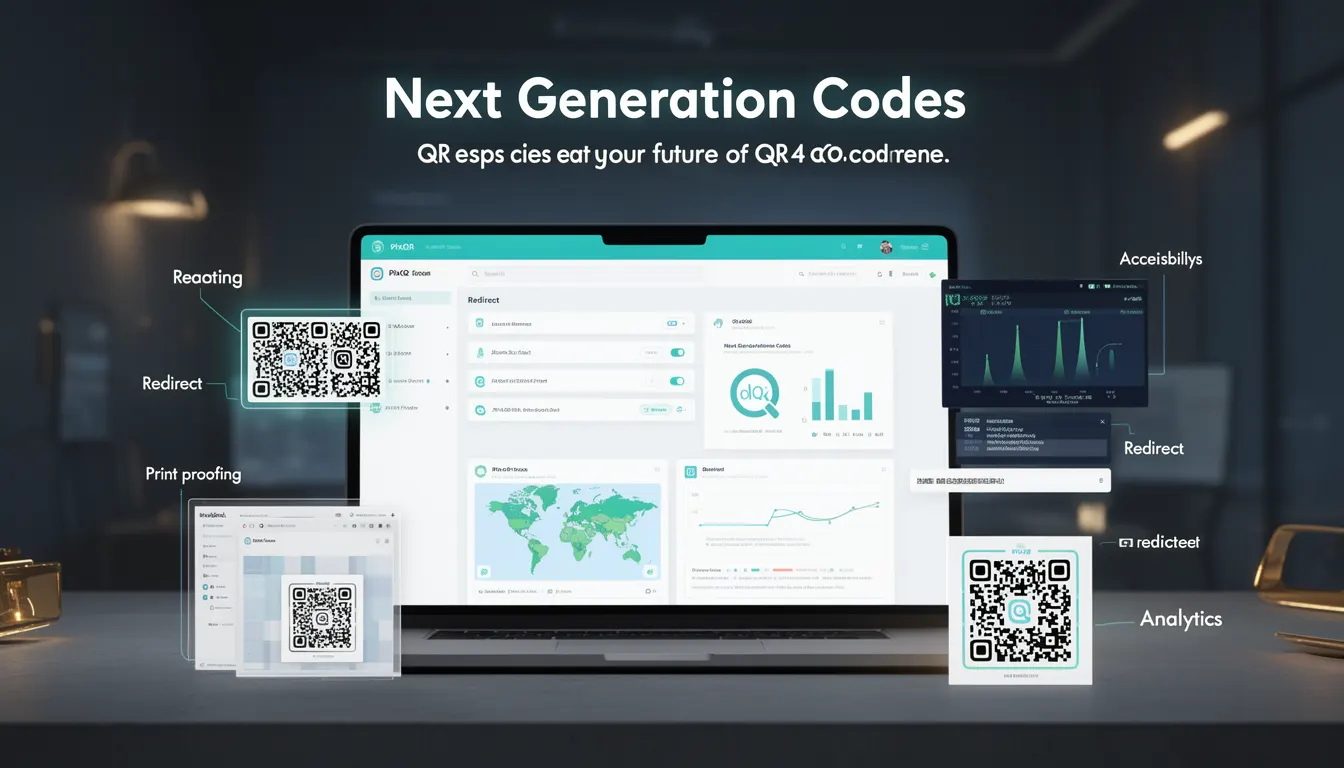
Next Generation Codes (NGCs) represent an evolution in QR code technology, focusing on enhanced data capacity, improved scanning reliability, and integration with modern web standards. In the context of PixQR, NGCs are a forward-looking extension of traditional QR code capabilities, designed to support more complex interactions, secure data transmission, and dynamic content delivery.
These codes are not merely a visual upgrade but a foundational shift in how QR codes interact with web environments, APIs, and backend systems. They support advanced features such as encrypted payloads, multi-stage redirects, and seamless integration with analytics and security platforms. For developers, NGCs are an opportunity to move beyond static data encoding and build more intelligent, responsive, and secure user experiences.
Why It Matters
For developers working with PixQR, Next Generation Codes are essential for building scalable, secure, and future-proof QR solutions. As traditional QR codes reach their limits in terms of data capacity and interaction depth, NGCs provide a bridge to more advanced use cases such as secure authentication flows, dynamic landing pages, and real-time content updates.
Production environments benefit from NGCs through improved reliability, reduced infrastructure overhead, and better integration with modern security practices. For example, NGCs can embed cryptographic signatures directly into the code structure, enabling verification without external systems. This is particularly valuable in fraud prevention and brand-safe environments where authenticity is paramount.
How It Works
Next Generation Codes are built on extended QR code standards, incorporating new encoding methods and metadata structures. They typically use a hybrid approach that combines traditional QR data with additional layers of metadata, such as encryption keys, redirect instructions, and analytics identifiers.
- NGCs support a variable data payload size, up to 10,000 bytes, compared to the 7,000-byte limit of standard QR codes.
- They implement dynamic redirect logic, allowing a single code to point to multiple destinations based on user context or time of scan.
- NGCs include embedded cryptographic signatures for authenticity verification, which can be validated via PixQR’s API or internal systems.
- They support real-time analytics tracking, including scan frequency, geolocation, and device type, all embedded within the code structure.
- NGCs are designed to be compatible with existing QR scanning infrastructure, ensuring backward compatibility while enabling new features.
Quick Reference
| Item | Purpose | Notes |
|---|---|---|
| Extended data capacity | Supports up to 10,000 bytes | Requires NGC-compatible readers |
| Dynamic redirect | Allows multi-stage routing | Configurable via PixQR dashboard |
| Cryptographic signature | Ensures authenticity | Validated via API or SDK |
| Analytics metadata | Embedded scan tracking | Accessible via PixQR analytics |
| Backward compatibility | Works with legacy readers | Standard QR readers may not decode NGCs |
Basic Example
PixQR Example QR
This QR links directly to this glossary page, so printed notes, onboarding docs, and support material can bring scanners back to the current reference.
/glossary/the-future-of-qr-codes/the-future-of-qr-codes-next-generation-codes
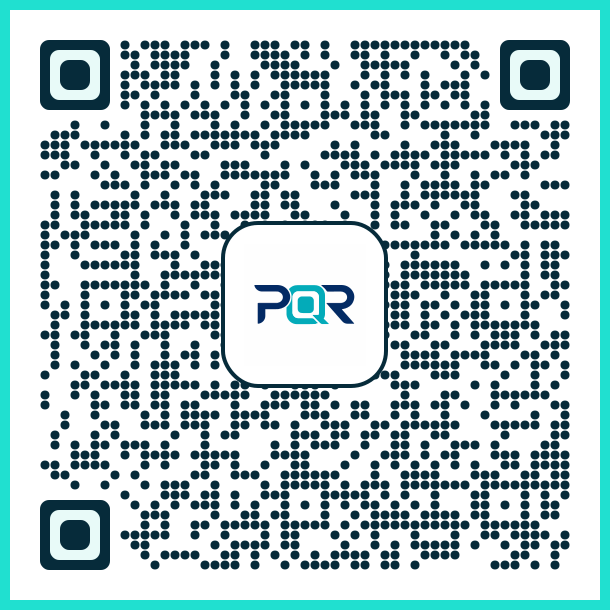
This basic example shows how a Next Generation Code is structured in a PixQR-generated payload. The code includes metadata for tracking and redirect logic.
{
  "type": "ngc",
  "payload": "https://example.com/secure-redirect",
  "signature": "a1b2c3d4e5f6",
  "analytics": {
    "campaign": "product-launch",
    "source": "email"
  }
}
The payload is encoded in a QR code that includes a cryptographic signature for verification. The analytics section is embedded for tracking purposes. The redirect URL is dynamically resolved based on the scan context.
Production Example
This example demonstrates a production-ready implementation of Next Generation Codes with validation, error handling, and analytics integration. It shows how to generate and validate an NGC using PixQR’s API.
const ngcData = {
  "type": "ngc",
  "payload": "https://secure.example.com/api/redirect",
  "signature": "abc123def456",
  "analytics": {
    "campaign": "campaign-2025",
    "source": "social"
  },
  "redirects": [
    {
      "condition": "user.is_authenticated",
      "target": "https://app.example.com/dashboard"
    },
    {
      "condition": "user.is_new",
      "target": "https://example.com/welcome"
    }
  ]
};

const response = await fetch('https://api.pixqr.com/generate', {
  method: 'POST',
  headers: {
    'Authorization': 'Bearer YOUR_API_KEY',
    'Content-Type': 'application/json'
  },
  body: JSON.stringify(ngcData)
});

const code = await response.json();
This version is production-ready because it includes structured analytics, conditional redirects, and signature validation. It also uses a secure API endpoint with authentication, ensuring that generated codes are safe and trackable.
Common Mistakes
- Using standard QR code libraries for NGC generation, which fails to encode extended data or metadata correctly.
- Ignoring signature validation, leading to potential security vulnerabilities in authenticated flows.
- Not implementing fallback redirects, causing broken user experiences for legacy readers.
- Embedding sensitive data in the payload without encryption, exposing it to interception.
- Overlooking analytics metadata, resulting in incomplete tracking or reporting.
Security And Production Notes
- Always validate cryptographic signatures before processing NGC payloads to prevent tampering.
- Use HTTPS endpoints for all redirect targets to ensure secure data transmission.
- Implement rate limiting on NGC generation to prevent abuse or spamming.
- Ensure backward compatibility by testing with legacy QR readers before full deployment.
- Log all NGC scans for audit and fraud detection purposes.
Related Concepts
Next Generation Codes are closely related to several key technologies and practices in modern QR code development:
- Dynamic Redirects: NGCs support multi-stage redirects, allowing for context-aware routing based on user behavior or system state.
- Secure QR Generation: The process of generating NGCs includes cryptographic signing and payload validation to ensure integrity.
- Analytics Integration: NGCs embed tracking data directly into the code, simplifying analytics without additional infrastructure.
- Brand Safety: NGC features like embedded signatures and redirect validation help prevent malicious code injection or phishing.
- Scan Reliability: NGCs are engineered for improved scanning performance across a range of devices and lighting conditions.