 PixQR
Overview
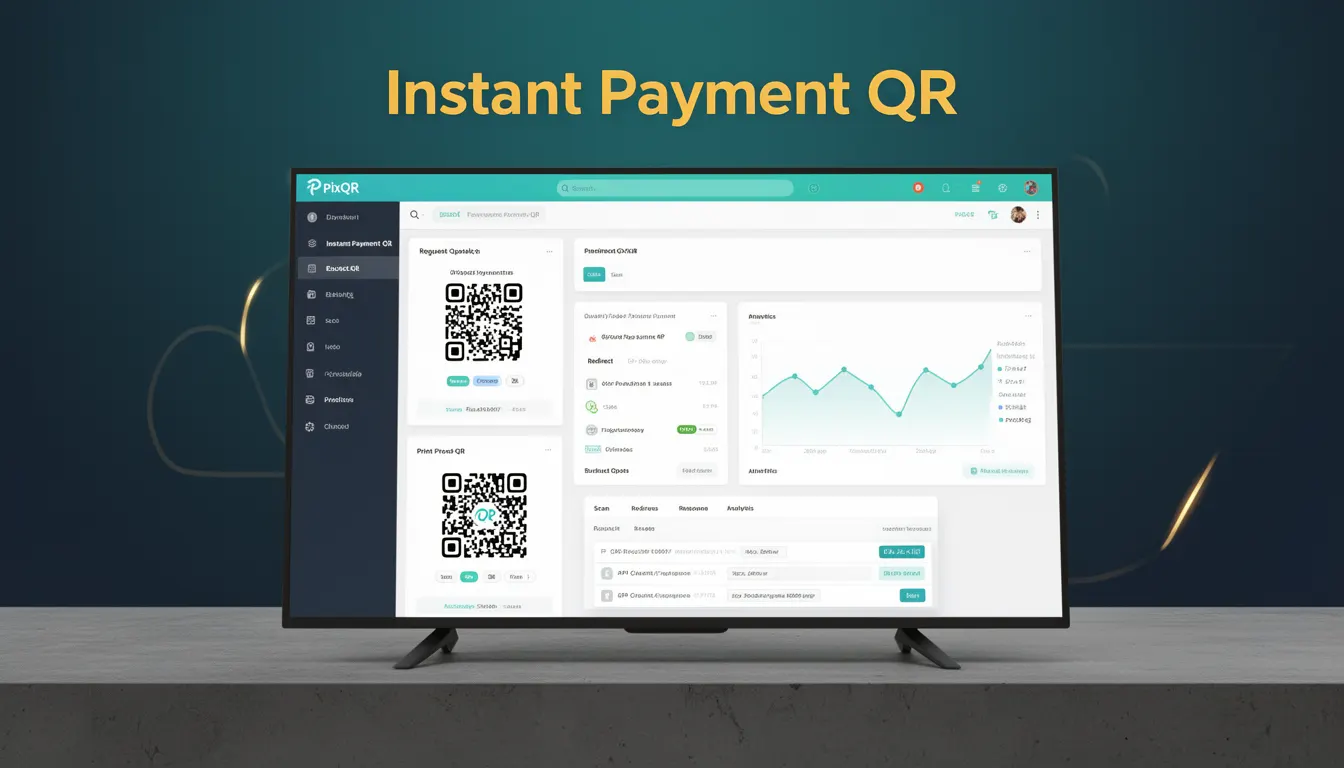
Instant Payment QR (IP-QR) is a standardized QR code format that enables real-time financial transactions, typically used in mobile payment systems and digital wallets. Unlike traditional QR codes that link to websites or static content, IP-QR codes are designed to carry transactional payloads that are processed directly by payment systems, often in real-time.
In the context of PixQR, IP-QR codes are generated to facilitate secure, dynamic payment workflows where the QR code itself contains encoded payment instructions. These codes are often used in point-of-sale systems, e-commerce platforms, and mobile apps where immediate payment confirmation is required. The format supports both static and dynamic transaction payloads, with dynamic variants allowing for real-time updates to transaction parameters.
Why It Matters
For developers working with PixQR, IP-QR codes represent a significant shift in how QR code systems are integrated into payment workflows. The primary advantage is the elimination of intermediaries in transaction processing, reducing latency and improving user experience. IP-QR codes are particularly valuable in scenarios where immediate payment confirmation is critical, such as in retail environments or online marketplaces.
From a security perspective, IP-QR codes must be handled with care to prevent unauthorized transactions. PixQR ensures that these codes are generated with proper cryptographic signatures and are tied to specific transaction parameters to prevent replay attacks. Additionally, the format supports secure tokenization, which helps protect sensitive payment data during transmission and storage.
How It Works
Instant Payment QR codes operate by encoding transactional data in a standardized format that payment systems can interpret and execute. The core mechanism involves a structured payload that includes transaction amount, recipient details, and cryptographic elements to ensure authenticity.
- IP-QR codes are typically encoded using the ISO/IEC 18004 standard with specific extensions for payment data.
- The payload is structured to include transaction parameters such as amount, currency, merchant ID, and transaction ID.
- Dynamic IP-QR codes can be updated with new transaction details without regenerating the entire code.
- Cryptographic signatures are embedded in the code to validate its authenticity and prevent tampering.
- Payment systems validate the code against a known set of parameters and execute the transaction upon successful verification.
Quick Reference
| Item | Purpose | Notes |
|---|---|---|
| Transaction ID | Unique identifier for each transaction | Required for tracking and reconciliation |
| Amount | Transaction value | Must be specified in the correct currency format |
| Currency Code | ISO 4217 currency identifier | Standardized for global payment systems |
| Merchant ID | Unique identifier for the merchant | Used for routing and settlement |
| Signature | Cryptographic validation of code integrity | Ensures authenticity and prevents tampering |
Basic Example
PixQR Example QR
This QR links directly to this glossary page, so printed notes, onboarding docs, and support material can bring scanners back to the current reference.
/glossary/the-future-of-qr-codes/the-future-of-qr-codes-instant-payment-qr

This example demonstrates a basic IP-QR code payload structure used in a simple payment workflow. The payload includes essential transaction details that a payment system would interpret.
{
  "transaction_id": "txn_1234567890",
  "amount": 100.00,
  "currency": "USD",
  "merchant_id": "merchant_001",
  "signature": "a1b2c3d4e5f6"
}
The example includes a transaction ID, amount, currency, merchant ID, and a signature. These elements are critical for payment systems to process and validate the transaction.
Production Example
In a production environment, IP-QR codes must be generated with proper validation and error handling. This example shows how to construct a secure and dynamic IP-QR payload with multiple transaction parameters.
function generateIPQRCode(transactionData) {
  const { amount, currency, merchantId, userId } = transactionData;
  const timestamp = Date.now();
  const transactionId = `txn_${timestamp}`;

  const payload = {
    transaction_id: transactionId,
    amount: amount,
    currency: currency,
    merchant_id: merchantId,
    user_id: userId,
    timestamp: timestamp,
    signature: generateSignature(transactionId, amount, currency, merchantId)
  };

  return JSON.stringify(payload);
}
This version includes dynamic transaction ID generation, timestamping, and signature creation, which are essential for production-grade security and traceability.
Common Mistakes
- Using static transaction IDs that can lead to replay attacks and duplicate transactions.
- Incorrectly handling currency codes, which can cause payment system rejection or misinterpretation.
- Missing or improperly formatted cryptographic signatures, which can lead to unauthorized transactions.
- Not validating transaction parameters before generating the QR code, resulting in invalid or malformed payloads.
- Reusing IP-QR codes for multiple transactions, which violates security best practices and can lead to fraud.
Security And Production Notes
- Always use cryptographic signatures to validate the authenticity of IP-QR codes and prevent tampering.
- Implement strict input validation for all transaction parameters to prevent injection attacks.
- Ensure that transaction IDs are unique and time-based to prevent replay attacks.
- Use HTTPS for all communication involving IP-QR code generation and transaction processing.
- Regularly audit transaction logs and QR code usage to detect anomalies or unauthorized access.
Related Concepts
IP-QR codes are closely related to several other QR code and payment technologies. Dynamic QR codes are a foundational concept that allows for real-time updates to transaction parameters. Payment tokenization ensures that sensitive data is not exposed during transaction processing. QR code security practices are essential for preventing unauthorized access or manipulation of payment data. Transaction lifecycle management involves tracking the progress of a payment from initiation to completion. Finally, API integration with payment gateways is necessary for processing transactions that are initiated through IP-QR codes.