 PixQR
Overview
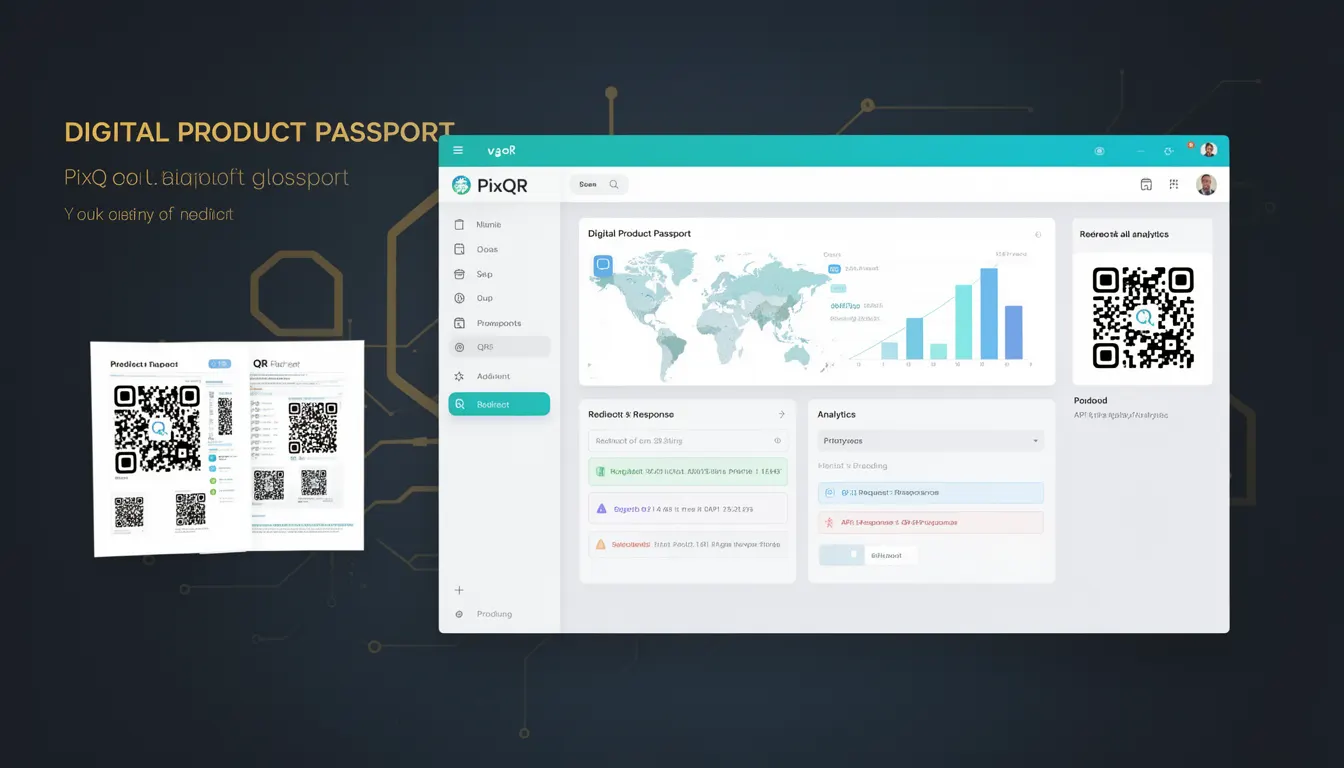
The term Digital Product Passport refers to a conceptual framework for how QR codes may evolve to carry rich, structured metadata about physical or digital products. In the context of PixQR, this concept represents a forward-looking approach to QR code functionality, where each code can serve not just as a link, but as a secure, traceable, and persistent identifier that carries detailed product information, compliance data, lifecycle stages, and tracking details.
As QR codes become more embedded in supply chains, product authentication, and regulatory compliance, the Digital Product Passport envisions a system where a QR code is not just a static link, but a dynamic data container. This allows for deeper integration with backend systems, real-time updates, and secure, verifiable product data exchange. For developers using PixQR, understanding this concept is essential for designing systems that support scalable, future-ready QR code applications.
Why It Matters
For developers and platform maintainers, the Digital Product Passport concept is significant because it shifts QR code usage from simple redirection to data exchange and identity management. This has direct implications for performance, security, and data integrity. For instance, QR codes in supply chain tracking need to support frequent updates without changing the physical code, which requires robust backend integration and secure data handling.
In a production environment, this means PixQR must support dynamic QR generation with metadata embedding, secure API access, and audit trails. It also implies that QR code content must be designed with extensibility in mind, ensuring that future updates or integrations do not break existing functionality. For security, this approach helps prevent fraud by embedding verification mechanisms directly into the QR code itself.
How It Works
The Digital Product Passport model operates by associating a QR code with a structured data set that can be retrieved and updated over time. This data is typically stored in a secure, decentralized, or centralized database, and the QR code acts as a pointer or identifier to that data. In PixQR, this mechanism can be implemented using dynamic redirect URLs, embedded metadata, or linked data services.
- QR codes can be configured to redirect to a secure endpoint that fetches real-time product data from a backend system.
- The system supports metadata embedding using standardized formats such as JSON-LD or custom schemas.
- Each QR code can be associated with a unique identifier that is used to retrieve product-specific data.
- Access control and encryption are implemented to ensure that only authorized parties can read or modify the data.
- Updates to product information are propagated through a secure API or blockchain-based system to maintain consistency.
Quick Reference
| Item | Purpose | Notes |
|---|---|---|
| Dynamic QR Generation | Creates QR codes with embedded identifiers | Supports metadata linking |
| Secure Redirect Endpoint | Fetches product data via API | Must support TLS and access control |
| Metadata Schema | Defines data structure for product info | JSON-LD or custom schema recommended |
| Access Control | Ensures secure data retrieval | OAuth or API key authentication |
| Update Mechanism | Allows real-time data changes | Supports blockchain or API-based updates |
Basic Example
PixQR Example QR
This QR links directly to this glossary page, so printed notes, onboarding docs, and support material can bring scanners back to the current reference.
/glossary/the-future-of-qr-codes/the-future-of-qr-codes-digital-product-passport

This basic example demonstrates how a QR code might be generated to point to a product page that fetches metadata dynamically.
const qrCodeData = {
  "productId": "12345",
  "url": "https://api.pixqr.com/products/12345",
  "type": "digital-passport"
};

const qrUrl = `https://pixqr.com/qr?data=${encodeURIComponent(JSON.stringify(qrCodeData))}`;
console.log(qrUrl);
This code constructs a QR code payload that includes a product identifier and a URL to a secure endpoint. The endpoint would then return the product's metadata in real time.
Production Example
This example shows a more robust implementation that includes error handling, access control, and structured data validation.
const generateDigitalPassportQR = (productId, metadata) => {
  const payload = {
    id: productId,
    data: metadata,
    timestamp: Date.now(),
    signature: generateSignature(productId, metadata)
  };

  const encodedData = encodeURIComponent(JSON.stringify(payload));
  return `https://pixqr.com/qr?data=${encodedData}&type=passport`;
};

const validatePassportData = (data) => {
  if (!data.id || !data.data || !data.signature) {
    throw new Error('Invalid Digital Product Passport data');
  }
  return true;
};
This version ensures that product data is securely signed and validated before being used, making it suitable for production systems that require data integrity and access control.
Common Mistakes
- Not implementing access control for QR code endpoints, leading to unauthorized data access.
- Using static QR codes for dynamic data, which breaks the concept of a Digital Product Passport.
- Ignoring data validation, causing system instability or incorrect data retrieval.
- Failing to implement secure data signatures, which can lead to data tampering or fraud.
- Not planning for scalability, resulting in performance bottlenecks as the number of QR codes increases.
Security And Production Notes
- Always use HTTPS for QR code endpoints to prevent man-in-the-middle attacks.
- Implement access control using API keys or OAuth to restrict who can retrieve or update data.
- Validate all incoming data to prevent injection or malformed data issues.
- Use cryptographic signatures to ensure data integrity and prevent tampering.
- Design systems with scalability in mind, especially when handling large volumes of QR code requests.
Related Concepts
The Digital Product Passport concept is closely related to several other developer and platform concepts:
- Dynamic QR Codes: QR codes that can be updated without changing the physical code.
- Link Management: Systems that manage and track QR code redirects and their associated metadata.
- Secure API Endpoints: Protected interfaces that serve product data.
- Data Embedding: Techniques for embedding structured data within QR codes or redirect links.
- Supply Chain Traceability: The use of QR codes for tracking product movement and authenticity.