 PixQR
Overview
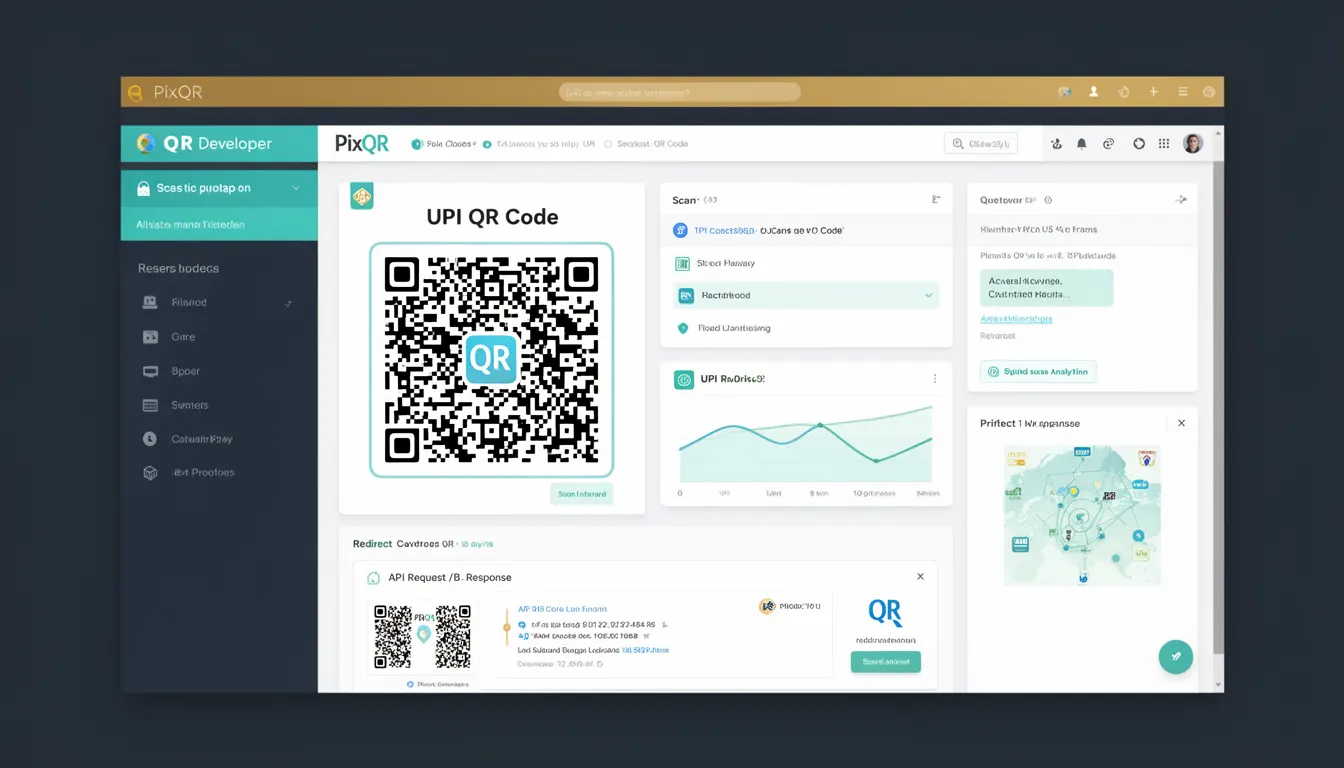
A UPI QR code is a specialized type of QR code designed for use with India's Unified Payments Interface (UPI), a real-time payment system that allows instant fund transfers between bank accounts. These codes are structured to encode UPI payment instructions, typically including a payment recipient's UPI ID, amount, and optional transaction metadata.
In the context of PixQR, UPI QR codes are generated to support seamless, secure, and brand-safe payment experiences. They are used in retail environments, e-commerce platforms, and service providers where customers need to make instant payments without entering sensitive financial details manually.
Why It Matters
UPI QR codes are essential for developers building payment-enabled applications in India. They simplify the payment process for end users by reducing friction, enhancing security, and integrating directly with the UPI ecosystem. For developers, UPI QR codes enable dynamic and scalable payment workflows that support both static and dynamic payment requests.
From a production standpoint, UPI QR codes must be generated with proper encoding, validated for correctness, and tracked for analytics to ensure secure and reliable transactions. PixQR ensures that UPI QR codes are generated with brand-safe design and privacy controls to meet compliance and user experience requirements.
How It Works
UPI QR codes follow a specific format defined by the UPI protocol. The standard format for a UPI QR code is:
- It starts with the
upi://scheme followed by a UPI ID or a payment request. - The UPI ID is typically in the format
user@bank, such asjohn.doe@icici. - Optional parameters include
amount,pn(payee name),payee_vpa, andpurpose. - The QR code can be scanned by UPI-enabled apps like PhonePe, Google Pay, or Paytm to initiate a payment.
- When scanned, the UPI app reads the encoded data and prompts the user to confirm the transaction.
For developers, PixQR allows UPI QR codes to be generated programmatically with support for dynamic amounts and metadata. The platform ensures that QR codes are optimized for scan reliability and print clarity, which is critical in retail and offline environments.
Quick Reference
| Item | Purpose | Notes |
|---|---|---|
| upi:// | Protocol scheme | Identifies UPI payment intent |
| payee_vpa | UPI ID | Recipient's virtual payment address |
| amount | Transaction amount | Optional, can be dynamic |
| purpose | Payment purpose | Optional, for transaction context |
| pn | Payee name | Optional, enhances clarity |
Basic Example
PixQR Example QR
This QR links directly to this glossary page, so printed notes, onboarding docs, and support material can bring scanners back to the current reference.

This basic example demonstrates a UPI QR code structure used to request a payment of ₹1000 from a recipient identified by a UPI ID.
upi://pay?pa=john.doe@icici&pn=John%20Doe&am=1000&cu=INR&tn=Payment%20for%20goodsThis URL encodes a payment request where:
pais the payee's UPI IDpnis the payee's nameamis the amount in Indian Rupeescuis the currency codetnis the transaction note
Production Example
In a production environment, UPI QR codes are generated with additional validation and analytics tracking. PixQR supports dynamic QR generation for varying amounts and metadata, ensuring secure and scalable payment workflows.
const upiPayload = {
  pa: "merchant@bank",
  pn: "Merchant Store",
  am: 2500,
  cu: "INR",
  tn: "Order #12345"
};

const qrUrl = `upi://pay?${new URLSearchParams(upiPayload).toString()}`;
// QR code generated from qrUrl using PixQR's API
This example ensures that all parameters are properly encoded and that the QR code is generated with appropriate branding and analytics tracking. It is suitable for use in payment systems where transaction details must be dynamic and secure.
Common Mistakes
- Incorrect encoding of special characters in UPI IDs or transaction notes, leading to failed payments.
- Not validating the UPI ID format, causing QR codes to be invalid or unscannable.
- Using hardcoded amounts in QR codes, which limits flexibility for dynamic transactions.
- Ignoring currency code validation, which may cause payment failures in international or multi-currency contexts.
- Generating QR codes without proper error handling or analytics, leading to undetected failures in payment processing.
Security And Production Notes
- Always validate UPI IDs to ensure they follow the correct format before generating QR codes.
- Use HTTPS when generating and serving QR code URLs to prevent man-in-the-middle attacks.
- Implement analytics to track QR code scan rates and payment success rates for fraud detection.
- Ensure QR codes are generated with print-safe dimensions to avoid scanning issues in offline environments.
- Limit dynamic amount updates to trusted systems to prevent unauthorized transaction modifications.
Related Concepts
UPI QR codes are closely related to several core concepts in digital payments and QR code systems:
- QR Code Generation: The process of creating QR codes from structured data, which UPI QR codes are a subset of.
- Dynamic Redirects: UPI QR codes can be used in dynamic redirect flows to support real-time payment updates.
- Payment Gateway Integration: UPI QR codes are often used as part of payment gateway workflows in e-commerce.
- Scan Tracking: PixQR supports tracking of QR code scans to provide insights into user behavior and payment success.
- Privacy Controls: UPI QR codes must be handled with care to ensure personal financial data is not exposed.