 PixQR
Overview
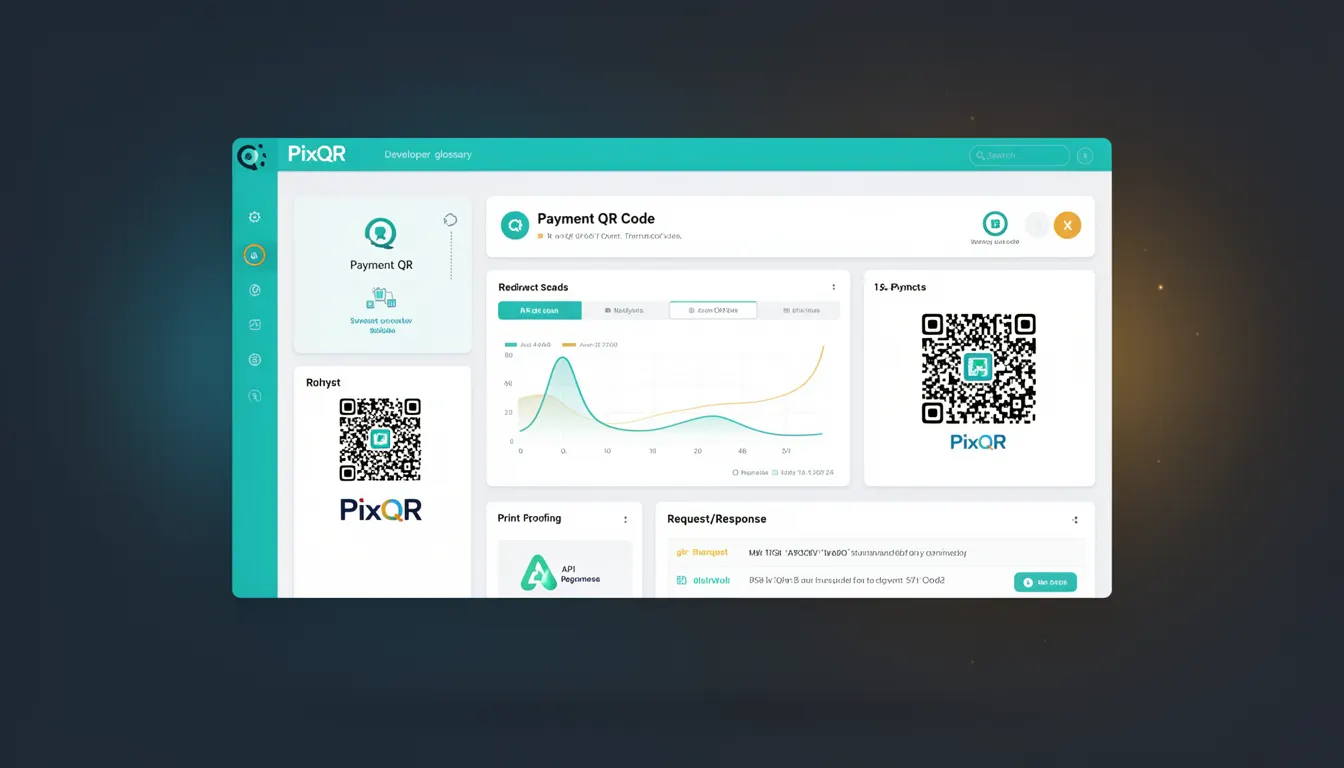
A Payment QR Code is a specialized QR code format used to facilitate digital payments by encoding payment instructions or transaction details. Unlike generic QR codes that might redirect to web URLs or store text, Payment QR Codes are designed to carry structured payment data that mobile payment apps or point-of-sale systems can interpret directly.
In the PixQR platform, Payment QR Codes are generated with specific encoding standards to ensure compatibility with payment systems such as mobile wallets, bank apps, and payment gateways. These codes are typically used in retail, e-commerce, and service industries where customers scan a code to initiate a payment transaction. They can encode various payment-related data such as merchant identifiers, transaction amounts, currency codes, and unique transaction IDs.
Why It Matters
For developers working with PixQR, Payment QR Codes are essential for enabling secure and efficient payment processing workflows. These codes streamline the payment flow by reducing manual input errors, improving transaction reliability, and integrating seamlessly with existing payment infrastructure. The use of standardized formats ensures that payment apps and systems can reliably interpret the data, reducing friction for both merchants and customers.
From a security standpoint, Payment QR Codes must be generated with proper encryption and validation to prevent tampering or fraudulent use. PixQR ensures that these codes are generated with privacy-preserving techniques and are compliant with industry standards such as ISO/IEC 18004 for QR code structure and relevant payment protocols. In production environments, accurate handling of Payment QR Codes directly impacts transaction success rates, user trust, and system scalability.
How It Works
Payment QR Codes in PixQR are generated using a structured data format that adheres to recognized payment standards. The system supports multiple encoding types, including URL-based formats for web-based payment initiation and direct payment protocol encodings for native app integrations.
- Payment QR Codes are typically encoded using the
textorurlformat, with the content structured to align with payment gateway APIs. - They can include transaction-specific parameters such as amount, currency, merchant ID, and a unique transaction token.
- The QR code generation process includes validation of input data to prevent malformed or malicious entries.
- PixQR ensures that all generated codes are scannable across various devices and platforms, with fallback mechanisms for compatibility.
- Each Payment QR Code can be tracked for analytics, including scan frequency, geographic location, and transaction success rates.
Quick Reference
| Item | Purpose | Notes |
|---|---|---|
| Payment QR Code | Encodes payment instructions | Must be structured for payment gateway compatibility |
| Transaction Amount | Defines payment value | Should be in valid currency format |
| Merchant ID | Identifies the seller | Used for settlement and reporting |
| Unique Token | Prevents duplicate transactions | Should be cryptographically secure |
| Scan Analytics | Tracks usage and performance | Enabled by default in PixQR |
Basic Example
PixQR Example QR
This QR links directly to this glossary page, so printed notes, onboarding docs, and support material can bring scanners back to the current reference.

The following example demonstrates a minimal Payment QR Code structure generated by PixQR, which encodes a transaction with an amount and merchant ID.
https://pay.pixqr.com/txn?amount=29.99&merchant=123456¤cy=USDThis URL-based QR code is designed to be scanned by a mobile payment application, which will parse the parameters to initiate a payment. The amount field specifies the payment value, merchant identifies the seller, and currency ensures proper conversion or display.
Production Example
In a production environment, Payment QR Codes must be generated with robust validation, secure token handling, and analytics integration. The following example shows a structured approach to generating a secure and trackable Payment QR Code using PixQR’s API.
{ "amount": 49.99, "currency": "EUR", "merchant_id": "MKT123456", "transaction_id": "txn_789012", "callback_url": "https://api.merchant.com/payment/confirm" }This JSON object is passed to PixQR's QR generation endpoint. The system then creates a QR code that includes a secure transaction token and encodes the necessary data to support payment initiation. The callback_url allows the merchant to receive real-time updates on transaction status, enhancing the reliability of payment workflows.
Common Mistakes
- Using unvalidated transaction parameters can lead to malformed QR codes or payment failures. Always sanitize and validate input data before QR generation.
- Ignoring currency formatting can cause payment mismatches or rejection by payment gateways. Ensure currency codes are valid and formatted according to ISO standards.
- Reusing transaction tokens can result in duplicate payments or fraud. Each Payment QR Code must have a unique identifier.
- Not implementing analytics or tracking can prevent merchants from monitoring payment success rates or optimizing their QR code usage.
- Generating QR codes without ensuring scannability across platforms can lead to user frustration and failed transactions. Test across multiple devices and scanners.
Security And Production Notes
- Payment QR Codes must be generated with secure, cryptographically random transaction IDs to prevent replay attacks or duplicate payments.
- All transaction data should be validated against expected formats to avoid injection or malformed data.
- QR codes should be generated with appropriate expiration times to reduce the risk of unauthorized use.
- Analytics data should be collected and stored securely to comply with privacy regulations such as GDPR or CCPA.
- Use HTTPS endpoints for all callback URLs and payment initiation to ensure data integrity and prevent man-in-the-middle attacks.
Related Concepts
Payment QR Codes are closely related to several other QR code and payment technologies. These include:
- Dynamic QR Codes – Payment QR Codes often use dynamic generation to ensure they remain valid and secure over time.
- Redirect URLs – Many Payment QR Codes redirect to a secure payment page or initiate a transaction through a gateway.
- Scan Analytics – Payment QR Codes can be tracked for performance and fraud detection purposes.
- Payment Gateways – The encoded data in a Payment QR Code must align with the expected input format of the target payment system.
- Transaction Tokens – Unique identifiers are essential for tracking and preventing duplicate payments.