 PixQR
Overview
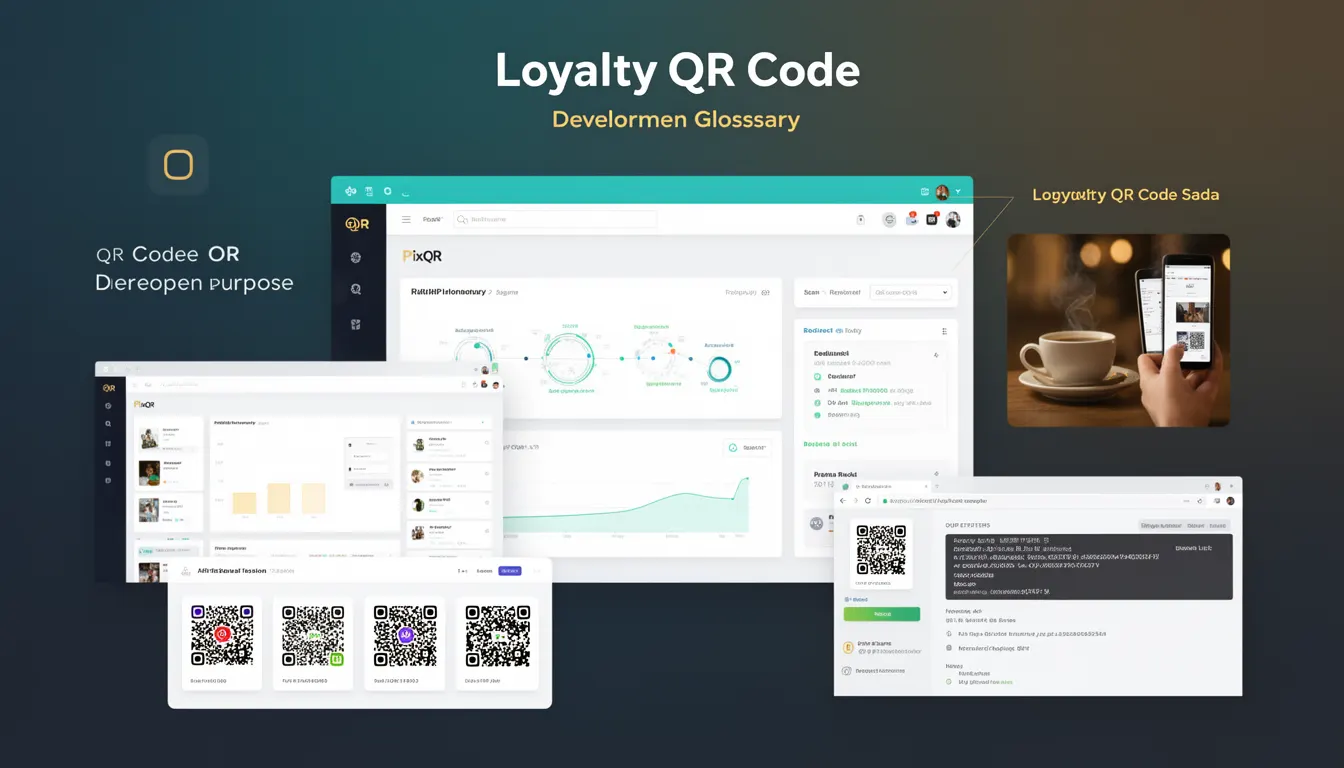
A Loyalty QR Code is a specialized type of QR code used primarily in marketing and customer engagement systems to track user participation in loyalty programs. Unlike standard QR codes that typically redirect to a URL, a Loyalty QR Code is designed to collect user interaction data, often linking to backend systems that manage rewards, points, or membership status.
In PixQR, a Loyalty QR Code is generated with specific configurations that ensure reliable scanning, privacy compliance, and integration with analytics systems. These codes are typically embedded in promotional materials, mobile apps, or digital signage to encourage repeat engagement. The primary purpose is to enable businesses to track user actions, such as scans, redemptions, or program enrollments, in a secure and scalable way.
Why It Matters
For developers and product teams, Loyalty QR Codes are essential for building scalable, trackable, and user-friendly loyalty systems. They bridge the gap between physical and digital interactions, enabling businesses to gather data on user behavior, optimize engagement, and improve customer retention. From a security standpoint, they must comply with privacy regulations such as GDPR or CCPA, which requires careful handling of user identifiers and data flow.
Performance is also a key concern. A poorly configured Loyalty QR Code can cause delays in data processing or fail to register scans correctly, leading to lost engagement opportunities or inaccurate analytics. Ensuring scan reliability and secure data transmission are critical to maintaining trust and usability in customer-facing systems.
How It Works
A Loyalty QR Code functions as a dynamic redirect mechanism that logs user scans and forwards them to a backend system. The system typically uses a unique identifier, such as a user ID or session token, to track individual interactions. The code itself is generated with a specific URL structure that includes parameters for tracking, analytics, and user segmentation.
- The QR code is generated with a base URL that points to a PixQR redirect endpoint.
- Parameters such as user ID, campaign ID, or timestamp are appended to the URL to enable tracking.
- Scans are logged in real-time, with metadata such as geolocation, device type, and scan time captured.
- Analytics are available through the PixQR dashboard, enabling businesses to monitor redemption rates and engagement trends.
- The system supports both static and dynamic QR codes, with dynamic versions allowing real-time updates to the target URL without regenerating the code.
Quick Reference
| Item | Purpose | Notes |
|---|---|---|
| Redirect URL | Points to backend loyalty system | Must be HTTPS and secure |
| User ID Parameter | Tracks individual engagement | Should be anonymized or hashed |
| Scan Timestamp | Logs interaction time | Used for analytics and reporting |
| Campaign ID | Identifies loyalty program | Enables segmentation and targeting |
| Dynamic Update | Allows real-time URL changes | Requires valid API access token |
Basic Example
PixQR Example QR
This QR links directly to this glossary page, so printed notes, onboarding docs, and support material can bring scanners back to the current reference.

This example demonstrates how a basic Loyalty QR Code might be generated with a URL that includes tracking parameters.
const loyaltyCode = pixqr.generate({
  url: 'https://loyalty.example.com/scan',
  params: {
    userId: 'user_12345',
    campaignId: 'loyalty_campaign_001',
    timestamp: Date.now()
  }
});
The generated QR code points to a secure endpoint that logs the scan and forwards the user to the loyalty program. The userId and campaignId parameters are used to identify and track the interaction.
Production Example
In a production environment, a Loyalty QR Code must include robust error handling, validation, and secure parameter passing.
const generateLoyaltyQR = (userId, campaignId) => {
  const timestamp = Date.now();
  const url = new URL('https://loyalty.example.com/scan');
  url.searchParams.append('userId', userId);
  url.searchParams.append('campaignId', campaignId);
  url.searchParams.append('timestamp', timestamp);

  return pixqr.generate({
    url: url.toString(),
    analytics: true,
    security: {
      token: 'secure_token_12345'
    }
  });
};
This version ensures that all parameters are properly encoded, the URL is valid, and the system uses a secure token for authentication. It also enables analytics tracking, which is crucial for performance monitoring and user behavior insights.
Common Mistakes
- Using unencrypted URLs in the QR code, which exposes sensitive data to interception.
- Not validating user IDs or parameters before appending them to the QR code, leading to potential injection vulnerabilities.
- Generating static QR codes for dynamic campaigns, which prevents updates without regenerating the code.
- Ignoring analytics configuration, resulting in incomplete tracking of user engagement.
- Failing to implement token-based security, making the system vulnerable to unauthorized access or abuse.
Security And Production Notes
- Always use HTTPS for the target URL to prevent man-in-the-middle attacks.
- Sanitize and validate all parameters to prevent injection or tracking misuse.
- Implement token-based authentication for dynamic updates to prevent unauthorized changes.
- Use anonymized or hashed identifiers to protect user privacy and comply with data regulations.
- Ensure that QR code generation and analytics logging are scalable and do not introduce performance bottlenecks.
Related Concepts
Several related concepts are important for understanding and implementing Loyalty QR Codes effectively. These include:
- Dynamic QR Codes: QR codes that can be updated without regenerating the image, enabling real-time campaign adjustments.
- Scan Analytics: The process of collecting and analyzing data from QR code scans for user behavior insights.
- Redirect Management: The system used to control where scans are directed and how data is handled.
- Privacy Compliance: Ensuring that QR code data collection meets regulations like GDPR or CCPA.
- API Integration: The connection between the QR code system and backend services for loyalty program management.