 PixQR
Overview
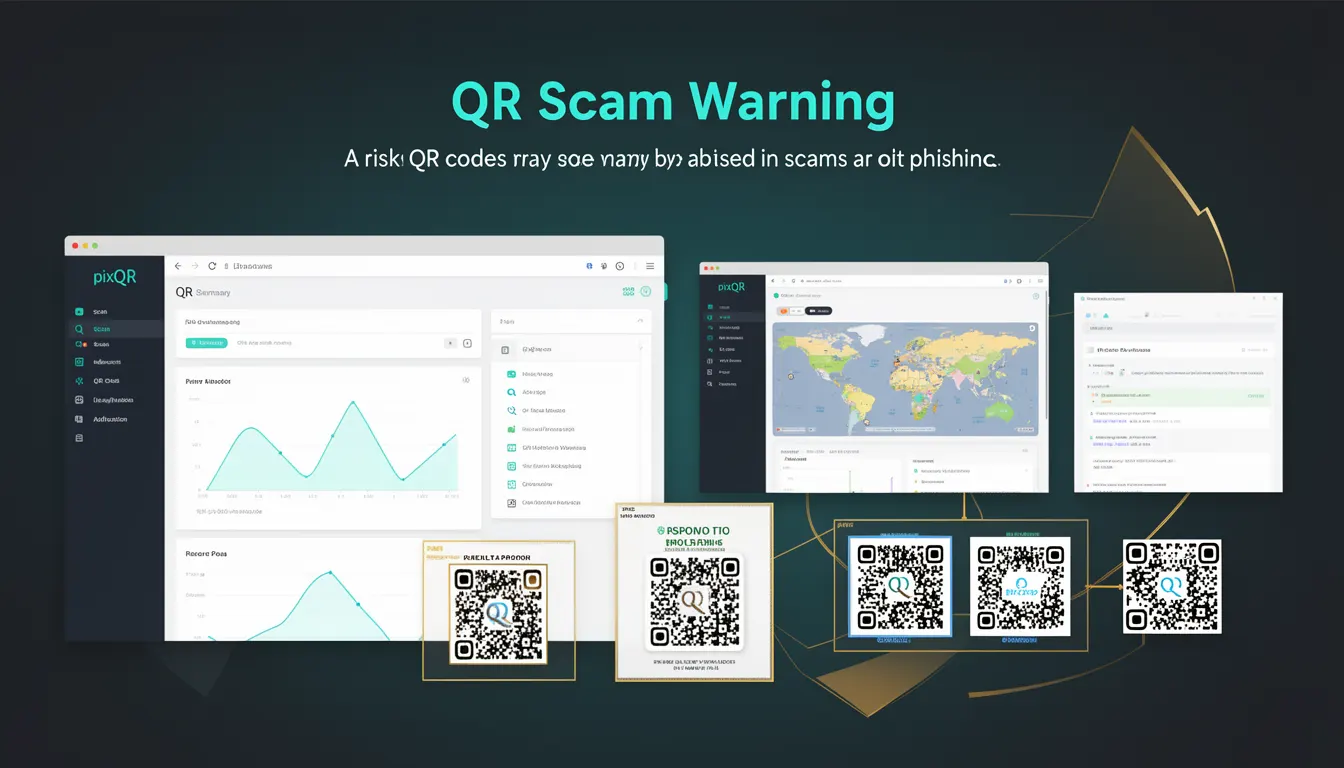
A QR Scam Warning is a risk indicator used in QR code systems to signal potential misuse or fraudulent activity associated with a QR code. In the context of PixQR, this warning is part of a broader fraud detection and brand protection framework that helps identify and flag QR codes that may be used in phishing, scams, or malicious redirects.
QR Scam Warnings are typically triggered when a QR code’s target URL or metadata violates predefined safety rules or is flagged by external threat intelligence systems. These warnings are essential for maintaining scan reliability, brand-safe design, and user trust in QR code ecosystems.
Why It Matters
For developers and platform operators, QR Scam Warnings are critical for operational security and user safety. When a QR code is flagged, it prevents users from being redirected to malicious or untrusted destinations, which could lead to data theft, financial loss, or reputational damage.
From a product perspective, QR Scam Warnings help maintain the integrity of a QR code platform by enabling automated filtering or manual review of suspicious codes. They also support compliance with industry standards for fraud prevention and brand safety, especially when the platform is used for marketing, e-commerce, or enterprise applications.
How It Works
QR Scam Warnings are generated through a combination of internal checks and external threat intelligence. The system evaluates QR code metadata, target URLs, and historical usage patterns to determine if a code poses a risk.
- The system checks for known malicious domains or URLs in its threat database.
- It evaluates the domain or URL for suspicious characteristics such as unusual subdomains or shortening services.
- It may analyze the HTTP response of the target URL for signs of phishing or malware.
- It flags QR codes that have been frequently scanned from suspicious locations or devices.
- It considers user feedback or reports of scams associated with the code or domain.
When a QR Scam Warning is triggered, the platform may display a warning message to users, prevent the QR code from being scanned or redirected, or mark the code for manual review. The warning can also be used to update internal risk scores or trigger alerts to administrators.
Quick Reference
| Item | Purpose | Notes |
|---|---|---|
| Threat Database | Identifies known malicious domains or URLs | Updated regularly from external sources |
| Domain Analysis | Evaluates domain reputation and structure | Checks for subdomain anomalies or redirects |
| HTTP Response Check | Validates the target URL for malicious content | May include SSL certificate inspection |
| Scan Behavior Monitoring | Tracks QR code usage for suspicious patterns | Flags repeated scans from same device or location |
| User Feedback Integration | Uses user reports to update risk levels | Enables community-based fraud detection |
Basic Example
PixQR Example QR
This QR links directly to this glossary page, so printed notes, onboarding docs, and support material can bring scanners back to the current reference.
This example shows how a QR Scam Warning might be triggered during a QR code generation request.
{
  "code_id": "qr_12345",
  "target_url": "https://malicious-site.com/redirect",
  "warning": {
    "type": "phishing_domain",
    "message": "Target domain is flagged as phishing",
    "severity": "high"
  }
}
The example demonstrates a QR code with a target URL pointing to a known phishing domain. The warning includes a type, message, and severity level. This structure allows developers to programmatically respond to warnings and take appropriate action, such as blocking the code or alerting the user.
Production Example
In a production environment, QR Scam Warnings are integrated into a larger workflow that includes validation, analytics, and user feedback.
{
  "code_id": "qr_67890",
  "target_url": "https://secure-shop.com/offer",
  "warning": {
    "type": "suspicious_redirect",
    "message": "Redirect chain includes untrusted domain",
    "severity": "medium",
    "risk_score": 75
  },
  "scan_count": 120,
  "last_scan": "2025-04-01T10:00:00Z",
  "user_feedback": [
    {
      "type": "report",
      "timestamp": "2025-04-01T10:05:00Z",
      "description": "Redirect led to unrelated site"
    }
  ]
}
This version includes additional metadata such as scan count, last scan timestamp, and user feedback. It is more suitable for production because it provides context for the warning and allows for more nuanced risk assessment. The system can use this data to adjust the risk score or trigger automated actions like temporary suspension of the code.
Common Mistakes
- Ignoring QR Scam Warnings during development or testing. This can lead to deploying potentially malicious QR codes to production.
- Over-relying on a single threat database without incorporating user feedback or behavior monitoring.
- Not implementing proper risk scoring or severity levels, leading to inconsistent handling of warnings.
- Using generic warning messages that do not provide actionable information to developers or users.
- Failing to log or report warnings for auditing or compliance purposes, which can hinder incident response.
Security And Production Notes
- QR Scam Warnings should be updated regularly to reflect new threats and patterns in phishing or scam behavior.
- Implementing rate limiting on warning checks can prevent abuse or denial-of-service attacks on threat intelligence systems.
- Ensure that warning messages are not exposed to end users in a way that could leak internal system details or attack vectors.
- Integrate QR Scam Warnings with existing analytics and monitoring systems for full visibility into code behavior and risk trends.
- Use secure APIs and encrypted connections when retrieving threat intelligence or sending user feedback to avoid interception or tampering.
Related Concepts
QR Scam Warnings are closely related to several key concepts in QR code security and platform integrity:
- Dynamic Redirects: QR codes that point to dynamic URLs may be more vulnerable to abuse and require additional monitoring.
- Scan Reliability: Ensures QR codes are scannable and lead to intended destinations, which is critical when warnings are in place.
- Brand-Safe Design: QR codes must align with brand guidelines and avoid associations with scams or untrusted entities.
- Privacy Controls: QR code platforms must protect user data and scan logs, especially when warnings involve user feedback or behavior.
- Fraud Prevention: QR Scam Warnings are part of a broader suite of fraud prevention tools that help protect users and platforms.