 PixQR
Overview
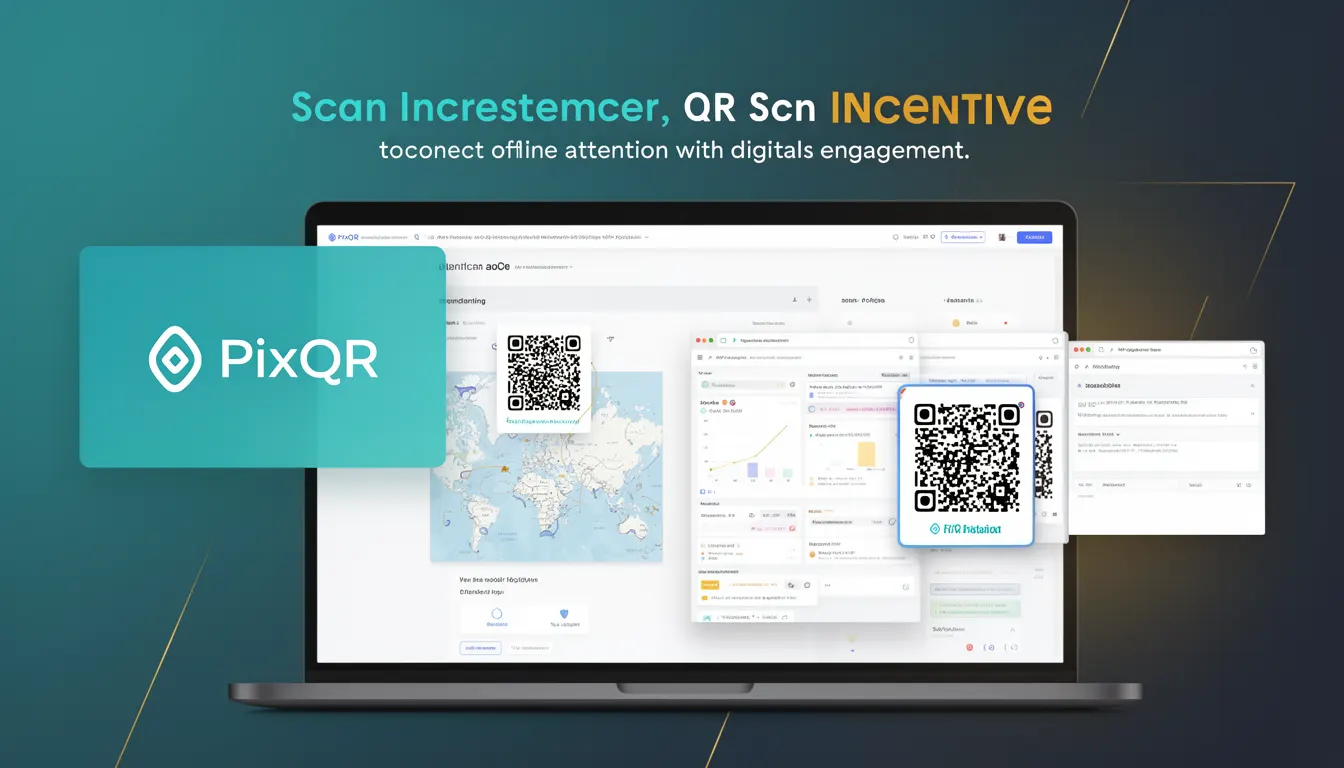
A Scan Incentive is a marketing technique that encourages users to scan a QR code by offering a digital reward or benefit in return. This concept bridges offline physical presence with online engagement, often used in print advertising, packaging, or point-of-sale displays. In the context of PixQR, Scan Incentives are implemented through dynamic QR code redirects that track scans and deliver rewards upon successful interaction.
Developers working with PixQR must understand how Scan Incentives are configured and tracked, particularly when designing systems that connect physical media to digital experiences. The functionality is often used in conjunction with analytics, user segmentation, and reward delivery systems to optimize marketing campaign performance.
Why It Matters
From a developer perspective, Scan Incentives directly impact how QR code campaigns are structured and monitored. PixQR's implementation allows for detailed tracking of scan events, enabling campaign attribution and performance measurement. For site operators, accurate tracking ensures that rewards are delivered correctly and that fraud is minimized. The incentive mechanism also influences the quality of user engagement, as it directly affects how many users choose to interact with a QR code.
Security is a key concern when implementing Scan Incentives. If not handled correctly, reward systems can be exploited, leading to unauthorized access or reward abuse. Additionally, performance considerations arise when tracking large volumes of scans or delivering rewards in real-time, which can strain backend systems.
How It Works
Scan Incentives in PixQR are implemented using a dynamic QR code system that redirects users to a landing page or API endpoint upon scanning. The system tracks the scan event, validates the user, and delivers the incentive based on campaign rules. The process involves several key components and mechanisms:
- Dynamic QR code generation with embedded tracking identifiers that map to specific incentive campaigns.
- Scan event logging with timestamps, IP addresses, user agents, and device information to prevent abuse.
- Redirection logic that ensures users are directed to the correct reward delivery endpoint.
- Validation and rate-limiting systems to prevent duplicate or fraudulent scans.
- Analytics integration to provide real-time performance metrics and user behavior insights.
When a user scans a QR code, PixQR's backend logs the event and checks for eligibility. If valid, the system triggers the reward delivery process, which may include redirecting to a reward page, sending an in-app notification, or initiating an API call to a reward service. The incentive delivery must be secure and fast to maintain user trust and engagement.
Quick Reference
| Item | Purpose | Notes |
|---|---|---|
| Scan Incentive ID | Identifies a specific reward campaign | Must be unique per campaign |
| Redirection URL | Where users are sent after scanning | Should be HTTPS and secure |
| Tracking Token | Unique identifier for scan event | Used for analytics and fraud prevention |
| Reward Type | What incentive is delivered | Can be discount, free item, or digital access |
| Validation Logic | Ensures scan eligibility | Includes rate limits and IP checks |
Basic Example
PixQR Example QR
This QR links directly to this glossary page, so printed notes, onboarding docs, and support material can bring scanners back to the current reference.
/glossary/qr-code-marketing/qr-code-marketing-scan-incentive

This basic example shows how a Scan Incentive might be configured using PixQR's API to create a QR code that redirects to a reward page.
{
  "qr_code": {
    "type": "dynamic",
    "target_url": "https://example.com/reward",
    "scan_incentive": {
      "id": "promo_123",
      "reward_type": "discount",
      "value": "10%"
    }
  }
}
The target_url specifies where the user is directed after scanning. The scan_incentive block defines the reward type and value, which are used to customize the user experience upon successful scan.
Production Example
This example demonstrates a more robust Scan Incentive implementation that includes validation, tracking, and reward delivery in a production environment.
{
  "qr_code": {
    "type": "dynamic",
    "target_url": "https://api.pixqr.com/scan-incentive",
    "scan_incentive": {
      "id": "campaign_456",
      "reward_type": "voucher",
      "value": "20",
      "valid_from": "2025-01-01T00:00:00Z",
      "valid_to": "2025-01-31T23:59:59Z",
      "max_uses": 1000,
      "rate_limit": 1,
      "rate_unit": "hour"
    },
    "tracking": {
      "enabled": true,
      "analytics": ["conversion", "user_behavior"]
    }
  }
}
This configuration includes time-based validity, usage limits, and rate limiting to prevent abuse. The tracking section enables analytics, which helps in measuring campaign effectiveness and user engagement. The target_url points to an internal API endpoint that handles reward delivery and validation.
Common Mistakes
- Using static QR codes instead of dynamic ones, which limits tracking and incentive delivery flexibility.
- Not implementing rate limiting or validation, leading to abuse or reward flooding.
- Hardcoding reward values or types, which reduces campaign adaptability and scalability.
- Ignoring analytics setup, resulting in missed opportunities to optimize campaign performance.
- Using insecure URLs or redirecting to unverified domains, which can compromise user trust and security.
Security And Production Notes
- Always use HTTPS for reward delivery to protect user data and prevent man-in-the-middle attacks.
- Implement IP-based rate limiting and device fingerprinting to detect and block fraudulent scans.
- Validate all scan events against campaign rules to prevent unauthorized incentive redemption.
- Use unique tracking tokens for each scan to prevent replay attacks or duplicate reward claims.
- Ensure reward delivery systems are resilient and can handle high-volume scan events without performance degradation.
Related Concepts
Scan Incentives are closely tied to several core PixQR features and concepts:
- Dynamic QR Codes – The foundation of Scan Incentives, allowing for tracking and redirection.
- Scan Analytics – Provides insights into user behavior and campaign performance.
- Redirect Safety – Ensures that redirects are secure and lead to trusted destinations.
- Link Management – Centralizes control over QR code targets and incentive delivery.
- Fraud Prevention – Protects against abuse and unauthorized incentive claims.