 PixQR
Overview
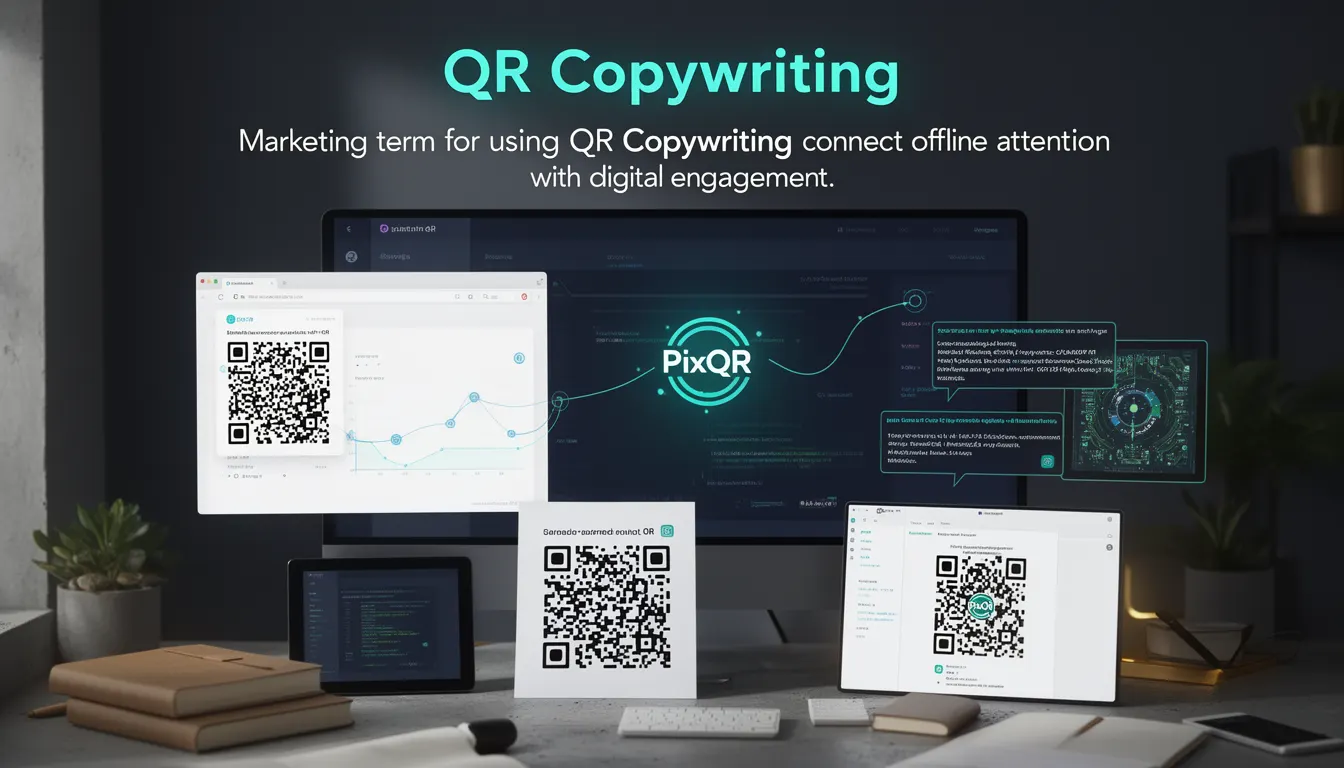
QR Copywriting refers to the strategic creation and deployment of QR code content that aligns with marketing goals, user intent, and brand messaging. In the context of PixQR, QR Copywriting ensures that QR code content is not only functional but also purposeful, guiding users through a clear and relevant digital experience from physical touchpoints.
It involves careful consideration of what a QR code should deliver to the user upon scanning, how that delivery aligns with offline engagement, and how the content can be tracked, optimized, and maintained. This term is often used in campaigns involving print, packaging, signage, or physical product labels where QR codes act as a bridge between offline and online worlds.
Why It Matters
For developers working with PixQR, QR Copywriting is critical because it directly impacts user experience, engagement metrics, and the success of marketing campaigns. Poorly written QR code content can lead to user confusion, low conversion rates, and ineffective tracking. A well-crafted QR code message must be concise, brand-safe, and optimized for the intended platform or device.
From a technical standpoint, QR Copywriting influences how redirects are configured, how analytics are structured, and how user behavior is interpreted. It ensures that the digital experience triggered by a QR scan aligns with the offline context, which is crucial for maintaining trust, compliance, and performance in both consumer-facing and enterprise applications.
How It Works
QR Copywriting in the PixQR ecosystem is implemented through a combination of content strategy, URL management, and analytics configuration. The process begins with identifying the user intent behind a QR code and aligning it with the appropriate digital content. This includes selecting a destination URL, ensuring the content is accessible and secure, and setting up tracking parameters that can be monitored in real-time.
- Content must be aligned with the physical context in which the QR code is placed, such as a product label or poster.
- URLs used in QR codes should be dynamic and capable of redirecting to relevant landing pages or microsites.
- Analytics parameters are embedded to track scan behavior, user demographics, and engagement metrics.
- Copywriting must ensure that the landing page or content matches the user's expectations set by the physical medium.
- Brand-safe design elements and privacy considerations are integrated into the QR code’s content and redirect logic.
Quick Reference
| Item | Purpose | Notes |
|---|---|---|
| Redirect URL | Destination of QR scan | Must be dynamic and trackable |
| Tracking Parameters | Analytics and user behavior | Include campaign, location, and device data |
| Content Alignment | Match offline and online experience | Prevents user confusion |
| Brand Safety | Ensure content is appropriate | Complies with brand guidelines |
| Privacy Compliance | Protect user data | Follow GDPR, CCPA, and local laws |
Basic Example
PixQR Example QR
This QR links directly to this glossary page, so printed notes, onboarding docs, and support material can bring scanners back to the current reference.
/glossary/qr-code-marketing/qr-code-marketing-qr-copywriting

This basic example demonstrates how a QR code can be configured to redirect to a landing page with a tracking parameter.
https://pixqr.example.com/redirect?campaign=fall2024&source=poster&utm_source=qrThe URL includes tracking parameters that help identify the source of the scan (poster), the campaign (fall2024), and the medium (QR). This allows developers to monitor performance and optimize future campaigns.
Production Example
This production-ready example shows how to generate a QR code with dynamic parameters and secure tracking, ensuring compliance and usability.
const qrConfig = {
  url: "https://pixqr.example.com/track",
  params: {
    campaign: "summer_sale",
    source: "store_display",
    location: "NYC_001",
    device: "mobile"
  },
  tracking: true,
  privacy: "compliant"
};

const qrUrl = new URL(qrConfig.url);
Object.entries(qrConfig.params).forEach(([key, value]) => {
  qrUrl.searchParams.append(key, value);
});

// Final URL: https://pixqr.example.com/track?campaign=summer_sale&source=store_display&location=NYC_001&device=mobile
This version is more suitable for production because it dynamically builds the URL with parameters, includes tracking and privacy controls, and ensures that all data is properly encoded and validated.
Common Mistakes
- Using static URLs without tracking parameters, which makes it difficult to measure campaign performance.
- Not aligning QR code content with the physical context, leading to user confusion and low engagement.
- Ignoring privacy regulations when embedding user data in QR code redirects.
- Creating QR codes with unvalidated or malformed URLs, which may break on scan.
- Overlooking device-specific content delivery, resulting in poor user experience on mobile or desktop.
Security And Production Notes
- Always validate and sanitize URLs before embedding them in QR codes to prevent open redirects.
- Use HTTPS for all QR code destinations to ensure secure data transmission.
- Implement tracking parameters that are not easily guessable or manipulable to prevent fraud.
- Ensure that QR code content does not expose sensitive or private information.
- Regularly audit QR code usage to confirm that redirects and tracking are functioning as expected.
Related Concepts
QR Copywriting is closely related to several developer and marketing concepts:
- Dynamic Redirects – QR codes often point to dynamic URLs that can adapt content based on user or device data.
- Scan Analytics – The effectiveness of QR Copywriting is measured through scan tracking and engagement metrics.
- Link Management – Effective QR Copywriting requires robust URL management systems to maintain content relevance and track performance.
- Brand Safety – QR content must be consistent with brand guidelines and not expose the brand to negative associations.
- Privacy Compliance – QR code content must adhere to data protection laws like GDPR or CCPA to avoid legal issues.