 PixQR
Overview
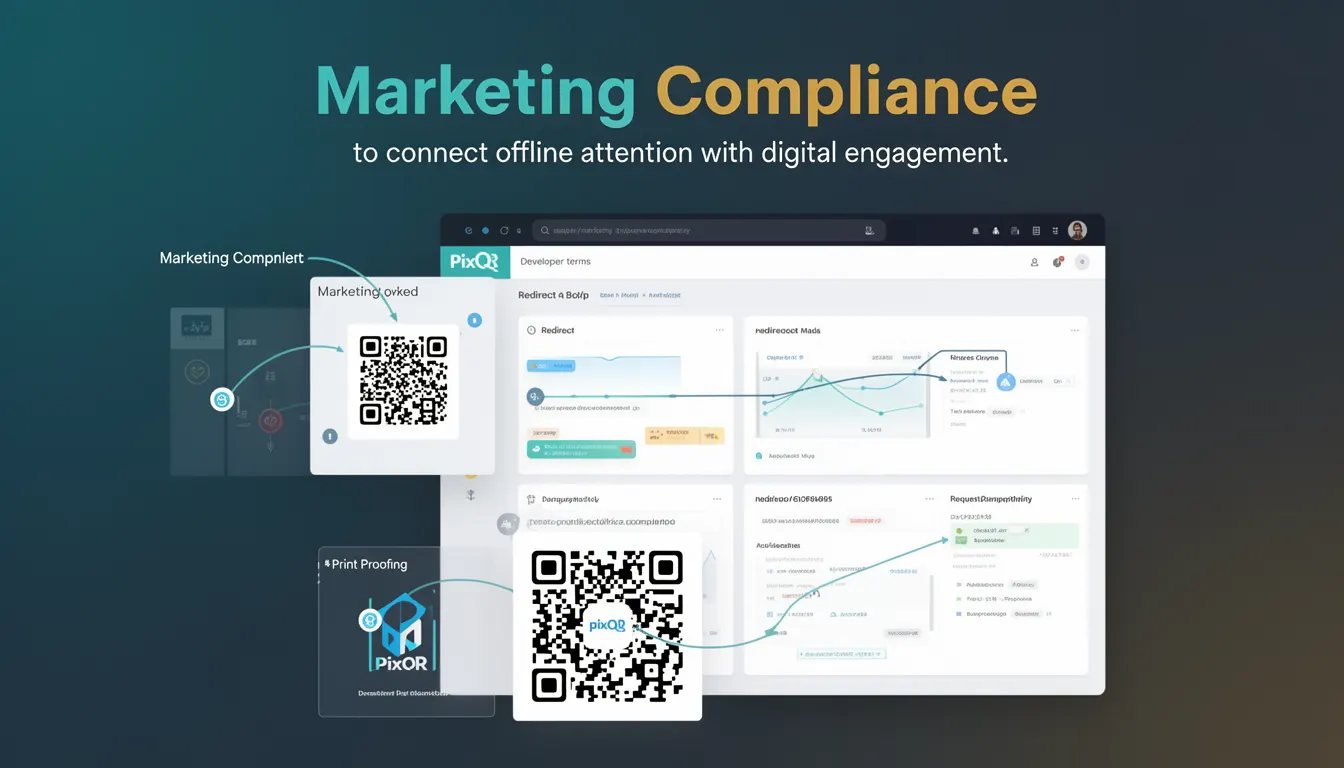
Marketing Compliance in the context of QR code platforms like PixQR refers to the systematic approach of ensuring that all QR code marketing activities adhere to legal, regulatory, and platform-specific standards. This concept bridges offline promotional efforts with digital engagement by enforcing structured tracking, brand-safe content delivery, and user privacy protections.
For developers working with PixQR, Marketing Compliance means implementing technical controls that validate redirects, monitor analytics, and enforce operational workflows to prevent misuse, maintain scan reliability, and ensure all digital interactions are secure and traceable. It is not merely a legal formality but a core component of operational integrity for QR code marketing systems.
Why It Matters
Marketing Compliance directly impacts how QR code platforms manage risk, maintain brand reputation, and ensure regulatory adherence. For developers, this translates into secure API usage, validated redirect targets, and robust error handling to prevent unintended exposure or fraudulent activity.
In production environments, non-compliance can lead to failed scans, lost analytics data, or even platform suspension. PixQR enforces compliance through its dynamic redirect system, which validates URLs, tracks engagement, and ensures all links are brand-safe. This prevents malicious use of QR codes while maintaining accurate performance metrics for marketers.
How It Works
Marketing Compliance within PixQR operates through a combination of automated validation, real-time analytics, and operational controls. The system ensures that all QR code links, redirects, and engagement data are tracked, validated, and aligned with platform policies.
- Redirect validation checks that all target URLs are safe and compliant with platform policies before allowing a QR code to be generated.
- Analytics tracking captures scan behavior, user engagement, and campaign performance while maintaining privacy standards.
- Operational workflows enforce approval processes for high-risk campaigns, ensuring that only vetted content is published.
- Scan reliability is maintained by monitoring uptime, error rates, and redirect consistency across different platforms and devices.
- Brand safety is enforced through content filters and reputation scoring of target domains to prevent association with spam or malicious activity.
Quick Reference
| Item | Purpose | Notes |
|---|---|---|
| Redirect Validation | Ensures target URLs are safe and compliant | Prevents malicious or non-compliant links |
| Analytics Tracking | Measures scan behavior and engagement | Provides actionable data for campaigns |
| Operational Workflows | Enforces approval processes for campaigns | Prevents unauthorized or risky deployments |
| Scan Reliability | Monitors uptime and error rates | Ensures consistent performance across platforms |
| Brand Safety Filters | Prevents association with spam or malicious domains | Protects brand reputation |
Basic Example
PixQR Example QR
This QR links directly to this glossary page, so printed notes, onboarding docs, and support material can bring scanners back to the current reference.
/glossary/qr-code-marketing/qr-code-marketing-marketing-compliance

This example shows a minimal QR code generation request with compliance checks enabled. The request ensures that the target URL is validated before the QR code is created.
POST /api/v1/qrcode
Content-Type: application/json

{
  "url": "https://example.com/campaign",
  "compliance": {
    "validate_redirect": true,
    "brand_safety": true
  }
}
The validate_redirect flag ensures that the target URL is safe, while brand_safety filters out domains known to be associated with spam or malicious activity. These checks are performed automatically during QR code creation.
Production Example
In a production environment, Marketing Compliance involves a structured approach to QR code deployment, including URL validation, analytics setup, and operational approval workflows. This example demonstrates how a developer might configure a campaign with full compliance controls.
POST /api/v1/qrcode
Content-Type: application/json

{
  "url": "https://campaign.example.com/landing",
  "compliance": {
    "validate_redirect": true,
    "brand_safety": true,
    "analytics_enabled": true,
    "approval_required": true
  },
  "metadata": {
    "campaign_id": "12345",
    "source": "print_ad",
    "target_audience": "retail_customers"
  }
}
This version includes metadata for tracking and approval workflows, ensuring that all elements of the QR code marketing effort are compliant and traceable. Analytics are enabled to capture engagement, and approval is required to prevent unauthorized deployments.
Common Mistakes
- Disabling redirect validation in production environments can expose users to malicious links, undermining platform security.
- Ignoring brand safety filters may lead to association with spam domains, damaging brand reputation and potentially causing platform suspension.
- Skipping analytics setup results in lost data, making it impossible to measure campaign effectiveness or troubleshoot issues.
- Not implementing approval workflows increases the risk of deploying non-compliant or high-risk content without oversight.
- Using outdated API endpoints or missing required fields in requests can cause deployment failures or compliance violations.
Security And Production Notes
- All redirects must be validated against a trusted domain list to prevent phishing or malicious activity.
- Analytics data must be anonymized to comply with privacy regulations such as GDPR or CCPA.
- Operational workflows should enforce multi-step approval for high-risk campaigns to prevent unauthorized deployments.
- Scan reliability is enhanced by monitoring error rates and uptime across different platforms and devices.
- Brand safety filters must be updated regularly to reflect changes in domain reputation and spam patterns.
Related Concepts
Marketing Compliance connects closely with several core developer concepts in QR code platforms:
- Dynamic Redirects: The system dynamically routes users based on compliance rules and campaign metadata.
- Scan Tracking: Analytics capture scan behavior to validate compliance and measure campaign performance.
- Link Management: Ensures all QR code links are valid, safe, and aligned with platform policies.
- Operational Workflows: Enforces approval and validation steps to maintain quality and safety.
- Privacy Controls: Protects user data while enabling accurate tracking and analytics.