 PixQR
Overview
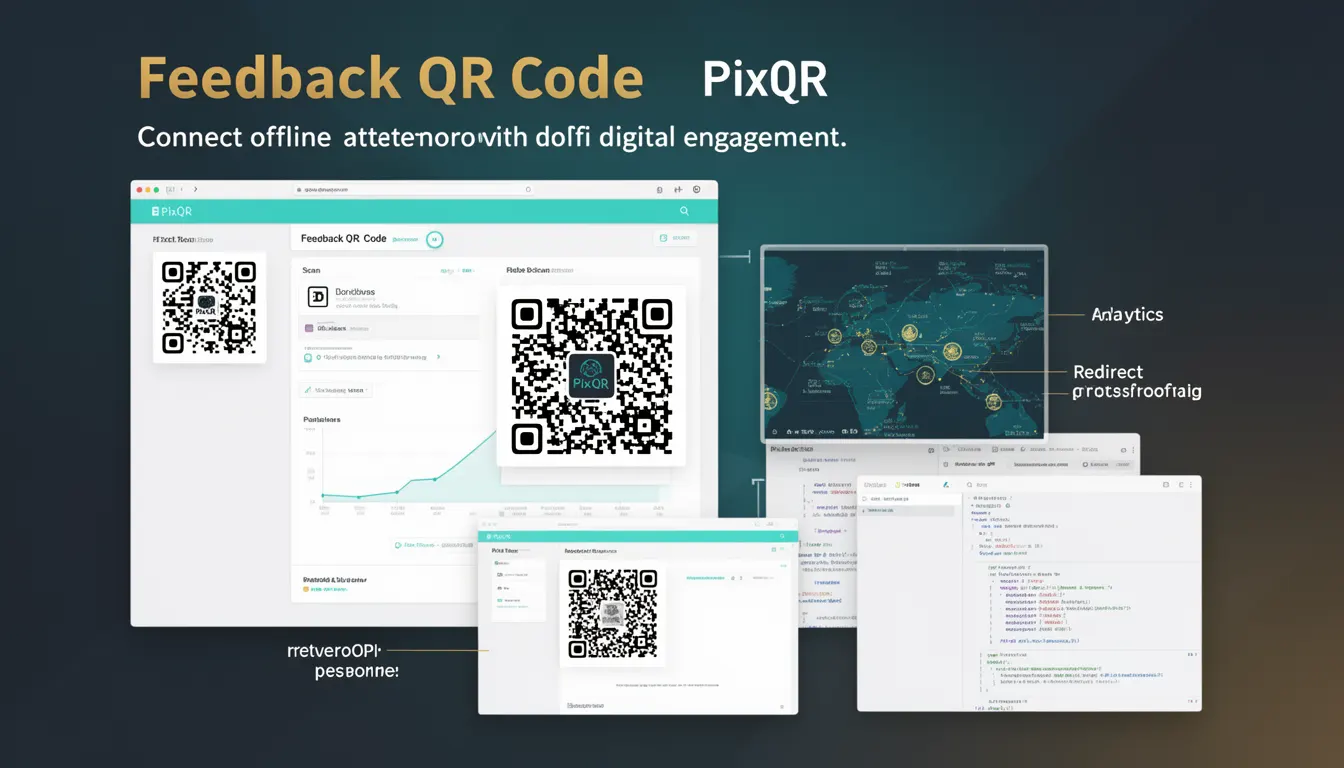
A Feedback QR Code is a specialized QR code implementation used in marketing and user engagement strategies to capture user input or reactions to physical products, services, or offline experiences. It bridges the gap between offline attention and digital interaction by directing users to a feedback form, survey, or review collection system upon scanning.
In the context of PixQR, Feedback QR Codes are generated to support dynamic redirects that can be updated post-creation, ensuring the destination URL or form can be modified without reprinting physical materials. These codes are commonly used in retail environments, events, product packaging, or promotional campaigns where immediate user feedback is desired.
Why It Matters
For developers, Feedback QR Codes are significant because they require careful handling of redirect logic, data collection, and user privacy compliance. The dynamic nature of these codes demands secure and flexible backend systems to manage URLs, form destinations, and tracking parameters.
From a user experience perspective, the QR code must reliably redirect to a mobile-friendly form or page, ensuring that the feedback collection process is seamless. For marketers, the integration of feedback data with analytics platforms or CRM systems is critical for actionable insights. Security is paramount when handling user responses, especially when collecting personal or sensitive information.
How It Works
Feedback QR Codes operate through a combination of static and dynamic URL handling, with the QR code pointing to a PixQR-managed redirect endpoint. The system supports:
- Dynamic URL redirection that updates without physical reprinting of the QR code
- Integration with form endpoints, including survey platforms, feedback portals, or custom landing pages
- Tracking parameters embedded in the redirect URL to associate scans with campaigns or products
- Support for both HTTP and HTTPS protocols, with automatic protocol handling for mobile browsers
- Scalable infrastructure that supports high-volume scan traffic with minimal latency
The underlying PixQR platform ensures that the QR code content is encoded in a standard format (typically UTF-8) and includes metadata for tracking, analytics, and campaign attribution. The system supports multiple output formats including SVG, PNG, and EPS, with options for custom branding and print-ready specifications.
Quick Reference
| Item | Purpose | Notes |
|---|---|---|
| Redirect URL | Destination for scanned QR code | Must be valid and accessible |
| Tracking Parameters | Associates scan with campaign or product | Use consistent naming for analytics |
| Dynamic Update Capability | Allows URL modification post-generation | Requires API access for updates |
| Form Endpoint | Target for feedback submission | Must be mobile-optimized |
| Scan Analytics | Provides insights into user behavior | Includes geolocation and device data |
Basic Example
PixQR Example QR
This QR links directly to this glossary page, so printed notes, onboarding docs, and support material can bring scanners back to the current reference.
/glossary/qr-code-marketing/qr-code-marketing-feedback-qr-code

This basic example demonstrates how a Feedback QR Code might be generated with a static redirect URL. The QR code encodes a simple link to a feedback form.
const feedbackQR = {
  url: "https://pixqr.com/redirect/abc123",
  type: "feedback",
  destination: "https://example.com/feedback-form"
};
The url field contains the PixQR-generated endpoint that users scan. The destination field points to the actual feedback collection page. This structure allows for easy updates to the form URL without changing the physical QR code.
Production Example
In production, a Feedback QR Code must support dynamic updates, analytics tracking, and secure handling of user data. The following example shows a more robust implementation:
const feedbackQR = {
  id: "fbqr_12345",
  url: "https://pixqr.com/r/abc123",
  destination: "https://example.com/feedback",
  campaign: "product_launch_2024",
  parameters: {
    source: "retail_store",
    product_id: "P12345",
    timestamp: Date.now()
  },
  analytics: {
    enabled: true,
    tracking_id: "GA-XXXXX"
  },
  security: {
    ssl_required: true,
    rate_limit: 100
  }
};
This version includes tracking identifiers, campaign metadata, and security configurations. It supports real-time analytics and ensures that only valid, secure redirects are used, enhancing both user experience and compliance.
Common Mistakes
- Not validating the destination URL before generating the QR code, leading to broken links or security vulnerabilities
- Using generic or untrackable URLs, which prevents meaningful analytics and campaign attribution
- Ignoring mobile responsiveness of the feedback form, resulting in poor user experience
- Hardcoding URLs in QR code generation logic, making updates difficult and error-prone
- Not implementing rate limiting or security checks, exposing the system to abuse or spam
- Failing to test QR code scanning across different devices and browsers, leading to inconsistent user experience
Security And Production Notes
- Always validate destination URLs to prevent open redirect vulnerabilities
- Implement HTTPS-only redirects to protect user data in transit
- Use rate limiting to prevent abuse of feedback collection endpoints
- Ensure all feedback forms are accessible and comply with WCAG standards
- Include privacy notices and data handling policies in feedback forms
Related Concepts
Feedback QR Codes are closely related to several other QR code technologies and marketing strategies:
- Dynamic QR Codes, which allow URL updates post-generation
- Redirect Management, which governs how QR codes route users
- Analytics Integration, which tracks user behavior and campaign performance
- Scan Tracking, which provides real-time data on QR code usage
- Privacy Compliance, which ensures user data is handled responsibly