 PixQR
Overview
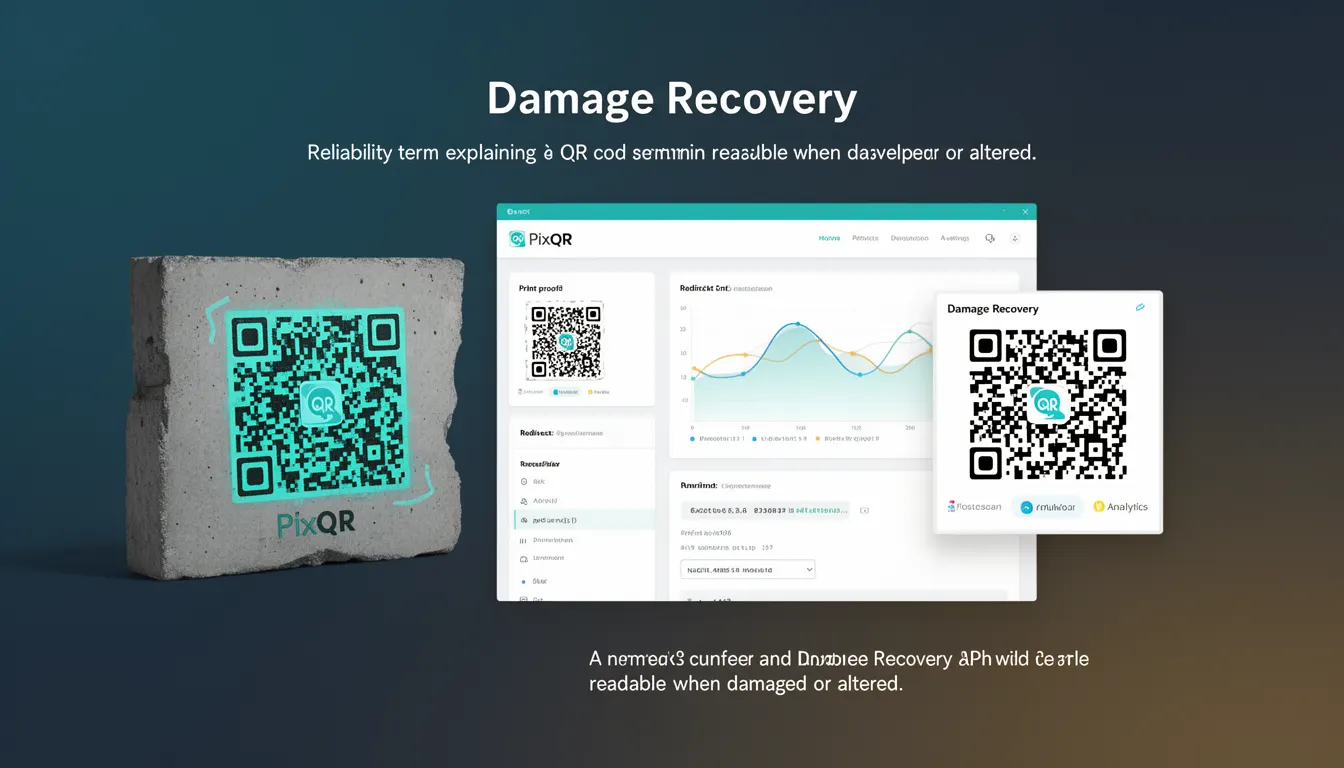
Damage Recovery in the context of QR codes refers to the ability of a QR code to remain scannable and readable even when partially damaged, obscured, or altered. This capability is implemented through error correction mechanisms built into the QR code standard, allowing systems to reconstruct data even when parts of the code are compromised.
For developers working with PixQR, Damage Recovery is a core reliability feature that ensures QR codes function correctly in real-world conditions such as printing imperfections, wear, or environmental interference. This is especially critical for applications that require consistent scanning, such as dynamic redirects, brand-safe design, or secure operational workflows.
Why It Matters
For developers and platform maintainers, Damage Recovery directly impacts the robustness and usability of QR codes in production environments. A QR code that fails to scan due to damage can break a user experience or a redirect chain, potentially causing lost traffic or failed transactions.
When using PixQR, Damage Recovery ensures that even if a printed QR code is scratched, smudged, or partially obscured, the system can still decode the embedded data. This is essential for applications such as loyalty programs, event tickets, or marketing campaigns where physical durability is a concern.
How It Works
Damage Recovery is enabled through Reed-Solomon error correction codes embedded within the QR code structure. These codes allow the system to reconstruct missing or corrupted data by using redundant information stored in the QR code matrix.
- QR codes support four levels of error correction: L (7%), M (15%), Q (25%), and H (30%).
- Higher error correction levels require more data to be stored, increasing the code's size and reducing the data capacity.
- Each level allows the code to withstand a specific percentage of damage while remaining scannable.
- Damage Recovery works by encoding redundant data in the QR code matrix using mathematical algorithms.
- The scanning process uses these redundant bits to detect and correct errors, restoring the original data.
For PixQR, developers can configure error correction levels when generating codes to balance between data capacity and durability. This is especially important in scenarios where the QR code may be exposed to physical wear or environmental conditions.
Quick Reference
| Item | Purpose | Notes |
|---|---|---|
| Error Correction Level | Controls how much damage a QR code can tolerate | Higher levels reduce data capacity |
| Reed-Solomon Encoding | Mathematical method used for error correction | Standard in QR code specifications |
| Scanning Algorithm | Processes QR code matrix to recover data | Uses redundant bits for error detection |
| Code Matrix | Physical layout of QR code data | Includes both data and error correction bits |
| Damage Threshold | Percentage of code that can be damaged | Depends on error correction level |
Basic Example
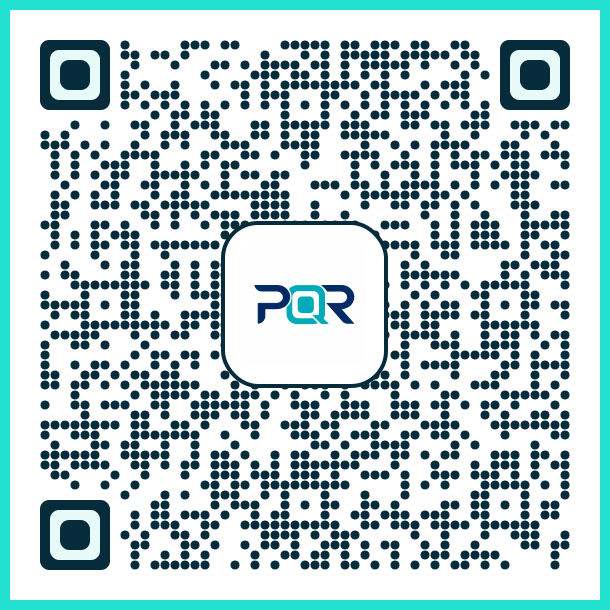
PixQR Example QR
This QR links directly to this glossary page, so printed notes, onboarding docs, and support material can bring scanners back to the current reference.
/glossary/qr-code-error-correction/qr-code-error-correction-damage-recovery
The following example demonstrates how to configure error correction in a PixQR API call to ensure damage recovery.
const pixqrResponse = await fetch('https://api.pixqr.com/v1/qr', {
  method: 'POST',
  headers: { 'Content-Type': 'application/json' },
  body: JSON.stringify({
    data: 'https://example.com',
    error_correction: 'H'
  })
});
This code snippet sets the error correction level to 'H', which allows the QR code to tolerate up to 30% damage. This is suitable for physical applications where durability is a concern.
Production Example
In a production environment, developers might want to dynamically select error correction levels based on use case and expected durability.
function generateQRCode(data, useCase) {
  const correctionLevels = {
    'digital': 'L',
    'print': 'M',
    'outdoor': 'Q',
    'high-risk': 'H'
  };

  return fetch('https://api.pixqr.com/v1/qr', {
    method: 'POST',
    headers: { 'Content-Type': 'application/json' },
    body: JSON.stringify({
      data: data,
      error_correction: correctionLevels[useCase] || 'M'
    })
  });
}
This example selects the appropriate error correction level based on the intended use case. For high-risk or outdoor applications, it uses the highest level to maximize damage recovery.
Common Mistakes
- Using the lowest error correction level ('L') for physical applications, leading to frequent scanning failures.
- Not accounting for the trade-off between error correction and data capacity when designing QR codes.
- Assuming all QR scanners can handle damaged codes, which is not true for low-end or older devices.
- Ignoring the impact of environmental factors like glare, reflection, or ink bleeding on code readability.
- Setting error correction levels inconsistently across a product or campaign, leading to unpredictable scanning results.
Security And Production Notes
- Higher error correction levels increase QR code size, which may affect performance in bandwidth-constrained environments.
- Ensure that error correction does not inadvertently mask malicious data or bypass validation checks.
- When using dynamic redirects, verify that the QR code's integrity is maintained during the redirect process.
- Test QR codes under various conditions to validate damage recovery before deployment.
- Validate that all error correction levels are supported across the target scanning platforms.
Related Concepts
Damage Recovery is closely related to several core QR code concepts:
- QR Code Structure – The physical layout and encoding of data in a QR code, which determines how error correction is applied.
- Reed-Solomon Error Correction – The mathematical method used to implement damage recovery.
- Scan Reliability – The overall ability of a QR code to be read consistently, which is enhanced by damage recovery.
- Dynamic Redirects – QR codes that point to URLs, where damage recovery ensures that redirects are not broken by physical damage.
- Print Quality – The physical output of a QR code, which directly affects how much damage it can sustain.