 PixQR
Overview
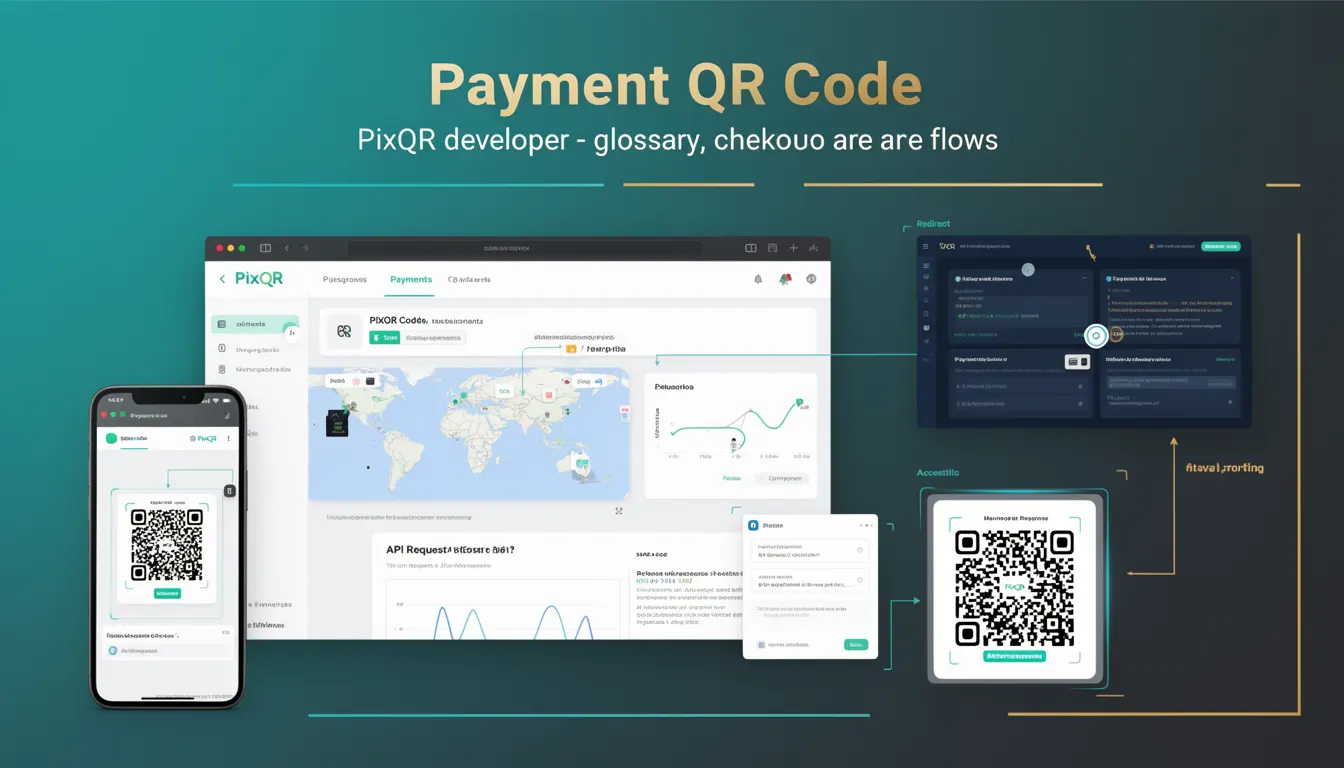
A Payment QR Code is a specialized type of QR code designed to facilitate financial transactions between a customer and a merchant. It encodes payment-related data such as amount, currency, merchant ID, and transaction details, enabling users to initiate payments by scanning the code with a mobile payment application or a QR scanner.
In the context of PixQR, a Payment QR Code is generated using secure, brand-safe templates that support dynamic redirects and can be configured to integrate with payment gateways, APIs, or financial platforms. It allows for real-time transaction tracking, analytics, and operational workflows while maintaining compliance with privacy and fraud prevention standards.
Why It Matters
For developers, Payment QR Codes represent a practical and scalable way to integrate digital payments into web or mobile applications. They simplify transaction workflows, reduce friction for users, and enable real-time analytics and fraud detection. In PixQR, the implementation ensures secure, reliable, and scalable payment processing with built-in tracking and operational controls.
Production environments benefit from the ability to dynamically configure transaction parameters, monitor scan behavior, and ensure that payment links are safe and brand-compliant. Payment QR Codes also support compliance with regional financial regulations and privacy standards, which is critical for global deployments.
How It Works
A Payment QR Code functions by encoding structured data into a QR code that a scanner interprets to initiate a payment flow. The data typically includes:
- Amount: The transaction value, usually in a specified currency unit.
- Merchant ID: A unique identifier for the business or service provider.
- Transaction ID: A unique reference for tracking the payment.
- Currency Code: Standard ISO 4217 currency code (e.g., USD, EUR).
- Payment Gateway URL: The endpoint where the payment is processed, often dynamically generated.
When a user scans the QR code, the scanner app decodes the payload and redirects to the payment gateway or triggers a payment request in the user’s wallet. PixQR ensures that these codes are generated with dynamic redirects, which allows for real-time updates to transaction parameters, fraud monitoring, and secure analytics.
Key features of PixQR Payment QR Codes include:
- Support for dynamic QR content that can be updated post-generation.
- Integration with payment APIs and financial platforms for seamless transaction handling.
- Scan tracking and analytics to monitor usage and detect anomalies.
- Privacy controls to ensure data is not exposed in QR code payloads.
- Brand-safe design templates that maintain visual consistency with corporate identity.
Quick Reference
| Item | Purpose | Notes |
|---|---|---|
| Amount | Transaction value | Must be a numeric value |
| Currency Code | ISO 4217 standard | Example: USD, EUR |
| Merchant ID | Unique identifier | Used for tracking and reconciliation |
| Transaction ID | Unique reference | For payment tracking |
| Redirect URL | Payment gateway endpoint | Dynamic and secure |
Basic Example
PixQR Example QR
This QR links directly to this glossary page, so printed notes, onboarding docs, and support material can bring scanners back to the current reference.
/glossary/qr-code-for-payments/qr-codes-for-payments-payment-qr-code

This example demonstrates how a minimal Payment QR Code payload might be structured using a standard format such as the URL with parameters method:
https://pay.pixqr.com/merchant/12345?amount=50.00¤cy=USD&txid=TXN123456789The URL encodes the merchant ID, amount, currency, and transaction ID. When scanned, it redirects the user to the PixQR payment interface where the transaction is processed. This format is simple and compatible with most QR readers and payment apps.
Production Example
In a production environment, a Payment QR Code may include dynamic parameters, security tokens, and analytics tracking. Below is an example of how a developer might generate a secure, dynamic QR code payload using PixQR's API:
https://api.pixqr.com/v1/qr/payment?amount=100.00¤cy=EUR&merchant_id=67890&txid=TXN987654321&token=abc123xyz&analytics=1This version includes a security token and enables analytics tracking, which is essential for fraud detection and performance monitoring. It also uses a secure API endpoint, ensuring that the QR code payload is generated with appropriate controls and validations.
Common Mistakes
- Using static QR codes for dynamic transactions: This prevents updates to transaction parameters and can lead to errors or fraud.
- Not validating payment amounts: Failure to validate input can result in incorrect charges or system vulnerabilities.
- Exposing sensitive data in QR code payloads: Including credentials or private keys in the QR code can lead to security breaches.
- Ignoring currency code mismatches: Incorrect or missing currency codes can cause payment processing failures.
- Not implementing analytics or tracking: Without monitoring, it's difficult to detect fraud or optimize payment flows.
Security And Production Notes
- Always use HTTPS for QR code payloads to prevent man-in-the-middle attacks.
- Validate all input parameters before generating QR codes to prevent injection or misuse.
- Implement token-based authentication to ensure only authorized systems can generate or update QR codes.
- Use dynamic redirects to enable real-time updates and enhance fraud prevention.
- Ensure that QR code content is not exposed in logs or analytics unless necessary for compliance.
Related Concepts
Payment QR Codes are closely related to:
- Dynamic QR Codes: QR codes that can be updated after creation, enabling flexible transaction management.
- Redirect URLs: The destination where a QR code leads after being scanned.
- Transaction Tracking: The ability to monitor and analyze payment flows and scan events.
- Payment Gateway Integration: The process of connecting QR codes to payment processors for transaction execution.
- Scan Analytics: Data collection and reporting on QR code scans to improve performance and security.