 PixQR
Overview
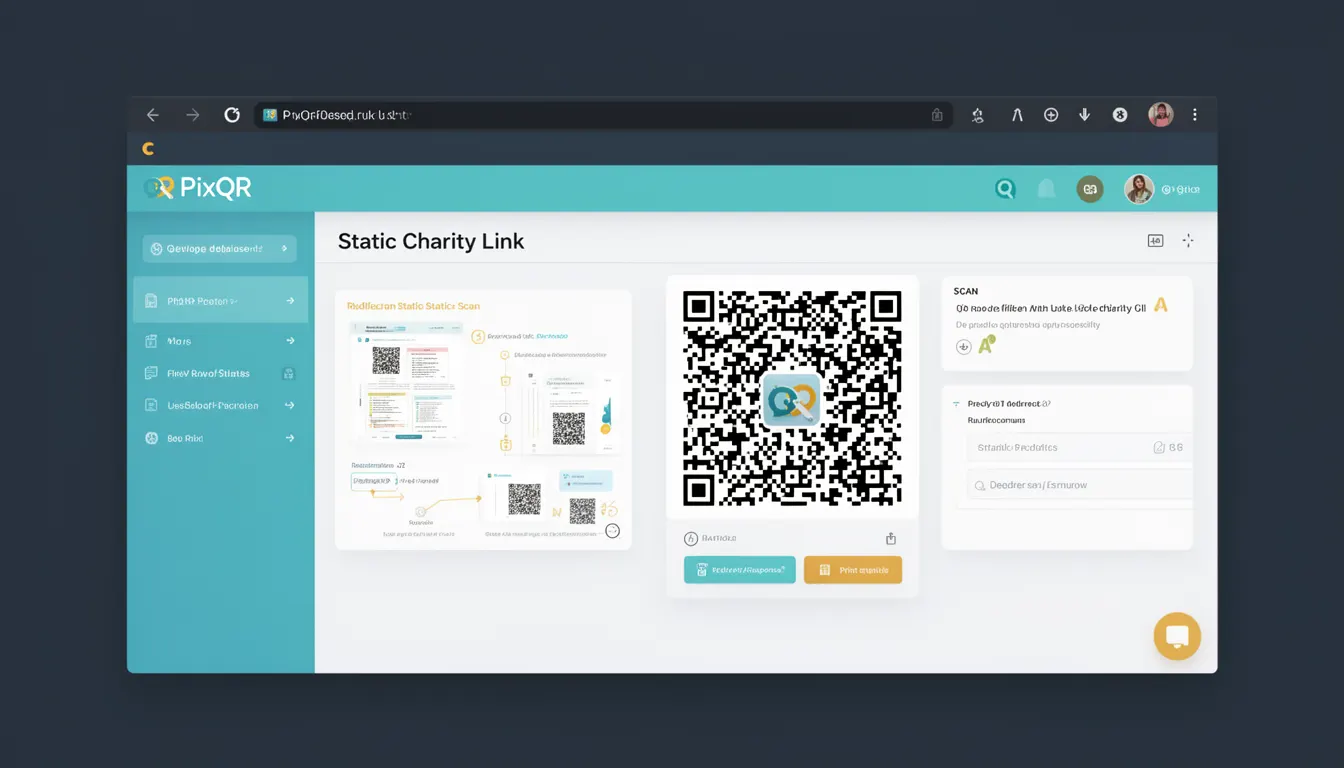
A Static Charity Link in the context of PixQR refers to a QR code that encodes a fixed URL or resource, typically a donation page or charity website. Once the QR code is generated, the encoded data cannot be changed, ensuring that every scan of the code leads to the same destination. This immutability is a key feature of static QR codes and is particularly valuable for campaigns, events, or branding efforts where consistency and reliability are paramount.
Static Charity Links are used in scenarios where a campaign needs to maintain a fixed point of entry for donations or information. For example, a nonprofit might generate a QR code for a specific fundraising event and ensure that every scan leads directly to the event's donation page, without any redirection or dynamic changes. This ensures that donors or users are always directed to the intended resource, improving trust and scan reliability.
Why It Matters
For developers and campaign managers, Static Charity Links provide a predictable and stable mechanism for directing users to a specific destination. This stability is critical for analytics, trust-building, and ensuring that QR code scans lead to the correct resource without risk of redirection to malicious or unintended pages.
From a security perspective, static links reduce the attack surface by eliminating the possibility of runtime modifications or redirections that could be exploited. This is especially important for charitable organizations that rely on public trust and want to ensure their users are not inadvertently redirected to fraudulent or harmful content.
Additionally, for operational workflows, static links simplify the management of QR code assets. There is no need to update or monitor dynamic links, reducing administrative overhead and minimizing the risk of errors in link updates.
How It Works
When generating a Static Charity Link in PixQR, the system encodes a fixed URL or data into the QR code at the time of creation. The QR code is then immutable, meaning that no further changes can be made to the encoded data. This is achieved through the use of static data encoding, which does not allow for dynamic updates or modifications post-generation.
- Static links are generated using a fixed data payload, such as a URL or text string, which is encoded into the QR code structure.
- The encoded data is stored in the QR code's matrix and is not subject to runtime changes or updates.
- Once the QR code is generated, it can be printed, shared, or deployed without risk of altering the destination.
- Static links are ideal for long-term campaigns or situations where a fixed destination is required for compliance or tracking reasons.
- Unlike dynamic links, static links do not support analytics or tracking parameters that can be modified after creation.
Quick Reference
| Item | Purpose | Notes |
|---|---|---|
| Static Link Payload | Fixed data encoded in the QR code | Cannot be changed after generation |
| QR Code Matrix | Storage structure for encoded data | Immutable once written |
| Encoding Method | Technique used to store data | Standard QR code encoding |
| Scanning Behavior | How the code is interpreted | Always leads to the same destination |
| Use Case | Typical application | Charity campaigns, event management |
Basic Example
PixQR Example QR
This QR links directly to this glossary page, so printed notes, onboarding docs, and support material can bring scanners back to the current reference.
/glossary/qr-code-static/static-qr-codes-static-charity-link
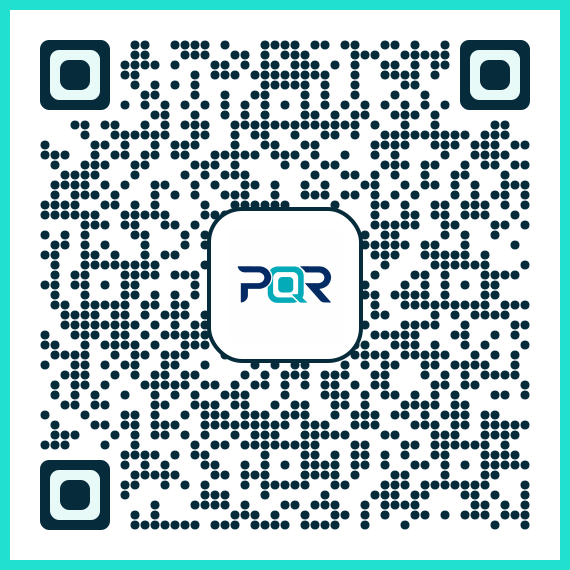
This example demonstrates how a basic static charity link might be created using PixQR's API. The QR code is generated with a fixed URL that leads to a donation page.
{
  "type": "static",
  "payload": "https://donate.example-charity.org/event-2025",
  "size": "200x200",
  "format": "png"
}
The payload field specifies the fixed URL that will be encoded in the QR code. The size and format are optional parameters for rendering the QR code image.
Production Example
In a production environment, a developer might integrate a static charity link into a campaign dashboard, ensuring that the QR code is generated with proper validation and consistent branding.
{
  "type": "static",
  "payload": "https://donate.example-charity.org/event-2025",
  "branding": {
    "logo": "https://example-charity.org/logo.png",
    "color": "#0066cc"
  },
  "analytics": {
    "enabled": false
  },
  "security": {
    "scan_tracking": false
  }
}
This example includes branding and security configurations, ensuring that the QR code is consistent with the organization's visual identity and does not include analytics or tracking features that could compromise its static nature.
Common Mistakes
- Using static links for campaigns that require dynamic updates or tracking, which defeats the purpose of immutability.
- Generating static links without verifying the destination URL, leading to broken or incorrect links.
- Attempting to modify a static QR code after creation, which is not supported and can lead to confusion or errors.
- Ignoring the implications of using static links for analytics, which cannot be tracked in real-time.
- Confusing static links with dynamic links, which can lead to incorrect API usage or campaign misconfigurations.
Security And Production Notes
- Static links are inherently secure because they do not support runtime modifications, reducing the risk of malicious redirection.
- Ensure that the payload URL is valid and accessible before generating the QR code to avoid broken links.
- Static links do not support dynamic analytics or tracking, which may limit campaign insights.
- For compliance reasons, static links are often preferred in regulated environments where consistency is required.
- Static QR codes are ideal for print media, as they do not change over time and maintain reliability across various platforms.
Related Concepts
Static Charity Links are closely related to several core QR code concepts. Dynamic links allow for runtime modifications and are often used for tracking or analytics, whereas static links are fixed and immutable. QR code generation workflows involve encoding data into a matrix, and the choice between static and dynamic depends on the use case. Brand-safe design ensures that the QR code aligns with an organization’s identity, and scan reliability guarantees that users are directed to the intended destination. Privacy considerations also play a role, especially when determining whether to include tracking or analytics in a QR code.