 PixQR
Overview
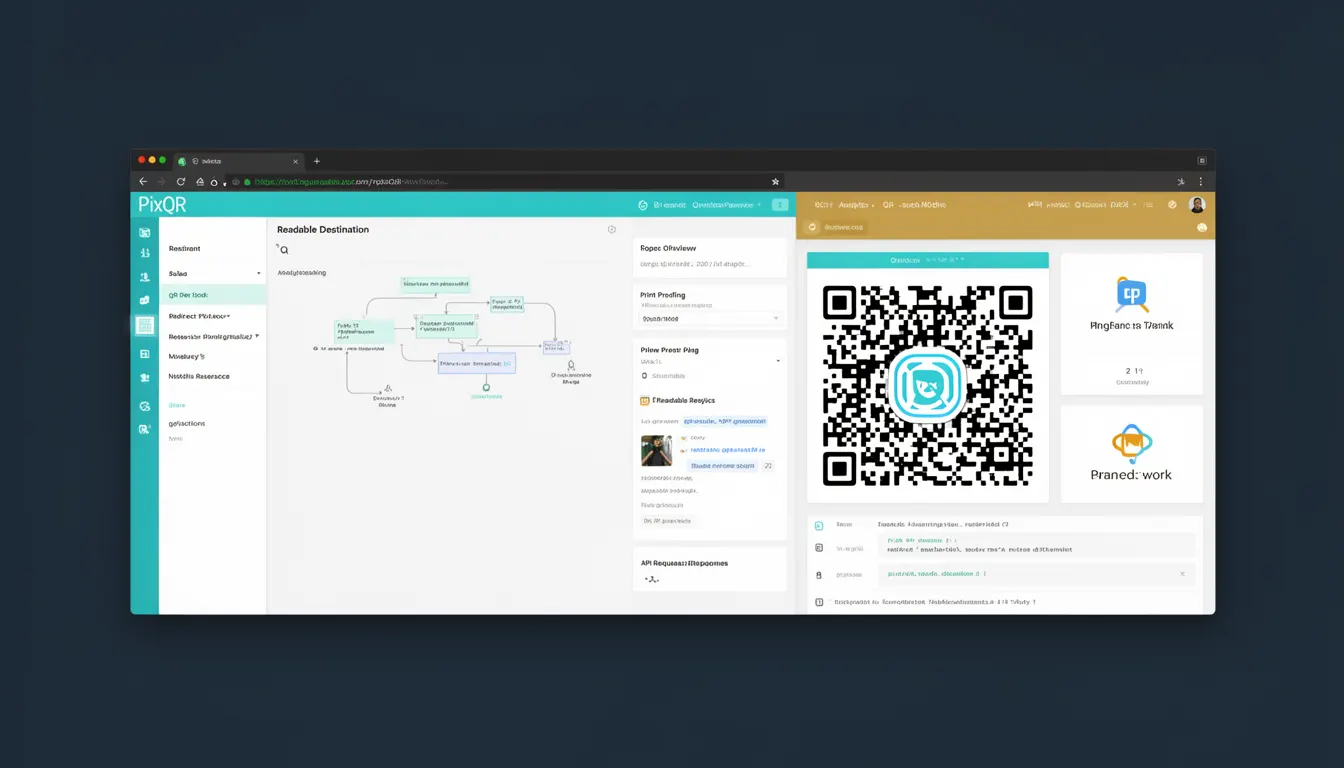
In the context of PixQR, a Readable Destination refers to the final URL or resource that a QR code ultimately resolves to when scanned. This destination is the target of the redirection chain initiated by the QR code, and it must be a valid, accessible, and safe endpoint for end users.
For developers working with PixQR, understanding Readable Destination is essential for ensuring that QR codes function reliably across devices, platforms, and networks. It directly impacts scan success rates, user experience, and the platform's ability to track and manage redirects effectively.
Why It Matters
For PixQR developers, a Readable Destination is critical to the success of QR code campaigns. If a destination URL is malformed, inaccessible, or blocked by security policies, the QR code fails to deliver its intended payload, resulting in user frustration and tracking data loss. A well-defined Readable Destination ensures that users are directed to a valid, secure, and optimized endpoint, aligning with PixQR’s focus on brand-safe design and scan reliability.
From a performance perspective, a correctly configured Readable Destination contributes to faster page loads, better analytics tracking, and improved compliance with web standards. It also plays a role in fraud prevention, where invalid or suspicious destinations may be flagged by PixQR’s internal security systems.
How It Works
When a QR code is scanned, the PixQR platform decodes the initial payload, which typically contains a short identifier or token. This identifier is then used to look up the full Readable Destination in the platform's internal database. The platform then performs a series of checks before redirecting the user to the final URL.
- The Readable Destination is typically stored as a secure, validated HTTP or HTTPS endpoint.
- It may include query parameters, tracking identifiers, or dynamic content based on user or device attributes.
- Redirect chains are monitored for performance and security to prevent broken links or malicious redirections.
- When using dynamic QR codes, the Readable Destination can be updated without changing the QR code itself.
- For compliance with privacy regulations, PixQR ensures that the Readable Destination is not used to collect personal data without consent.
Quick Reference
| Item | Purpose | Notes |
|---|---|---|
| Destination URL | Final endpoint of the QR code | Must be valid and accessible |
| Redirect Chain | Sequence of redirects leading to destination | Should be optimized for speed and safety |
| Dynamic Update | Ability to change destination without changing QR code | Supported in PixQR for campaign flexibility |
| Validation | Checks for valid, safe, and accessible URLs | Performed before redirect |
| Tracking | Analytics and user behavior tracking | Enabled by valid Readable Destination |
Basic Example
PixQR Example QR
This QR links directly to this glossary page, so printed notes, onboarding docs, and support material can bring scanners back to the current reference.
/glossary/qr-code-how-qr-codes-work/how-qr-codes-work-readable-destination

This example shows a basic PixQR configuration where a QR code is created with a Readable Destination pointing to a landing page.
const qrConfig = {
  "destination": "https://example.com/landing-page",
  "type": "dynamic",
  "expires": "2025-12-31"
};

const qrCode = pixqr.create(qrConfig);
The destination field specifies the Readable Destination. The type field indicates that the QR code is dynamic, allowing the destination to be updated later. The expires field sets a validity period for the QR code.
Production Example
In a production environment, a more robust configuration includes validation, error handling, and analytics tracking.
const qrConfig = {
  "destination": "https://secure.example.com/landing-page?campaign=summer2024",
  "type": "dynamic",
  "tracking": {
    "source": "email_campaign",
    "medium": "qr_code",
    "term": "promo_123"
  },
  "security": {
    "allow_redirects": true,
    "validate_ssl": true,
    "block_malicious": true
  },
  "analytics": {
    "enabled": true,
    "track_clicks": true
  }
};

const qrCode = pixqr.create(qrConfig);
This configuration ensures that the Readable Destination is secure, tracked, and validated. It also includes tracking parameters and security checks to prevent malicious redirects and maintain compliance with web standards.
Common Mistakes
- Using unvalidated or unescaped URLs as Readable Destinations, leading to security vulnerabilities or broken links.
- Setting a destination that is not HTTPS, which may be blocked by modern browsers or flagged by security tools.
- Not configuring redirect chains properly, causing performance degradation or tracking failures.
- Ignoring the expiration or update mechanisms of dynamic QR codes, resulting in outdated or invalid destinations.
- Overlooking the need for analytics and tracking in the Readable Destination, which limits the ability to measure campaign success.
Security And Production Notes
- Always validate and sanitize the Readable Destination to prevent open redirect vulnerabilities.
- Ensure all destinations use HTTPS to maintain user trust and browser compatibility.
- Implement rate limiting and monitoring to detect and block malicious redirect attempts.
- Use PixQR's built-in analytics and tracking to monitor the performance and success of each Readable Destination.
- Regularly audit and update dynamic destinations to ensure they remain valid and secure.
Related Concepts
Several concepts are closely related to Readable Destination in the context of QR code development and management:
- Dynamic QR Code – A QR code whose destination can be updated after creation, relying on the Readable Destination being modifiable.
- Redirect Chain – The sequence of redirects from the QR code to the final Readable Destination, which must be optimized for performance and safety.
- Scan Tracking – The process of monitoring QR code scans and their resulting redirects to the Readable Destination.
- Brand Safety – Ensuring that the Readable Destination aligns with brand guidelines and does not expose users to harmful or inappropriate content.
- Privacy Compliance – The requirement that Readable Destinations do not collect or transmit personal data without user consent, especially under regulations like GDPR or CCPA.